-1-1-2-126x39.png)
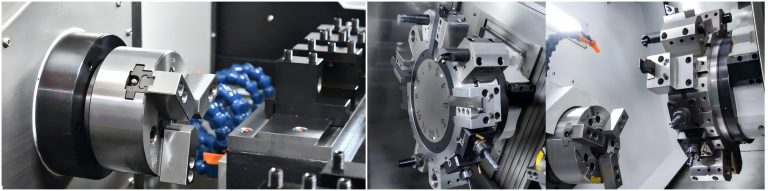
3‑Axis & 5‑Axis
CNC Precision Machining
24-hour quote response · PayPal / Credit Card / T/T
Aluminum · Stainless Steel · Titanium · Engineering Plastics
Machining Capabilities
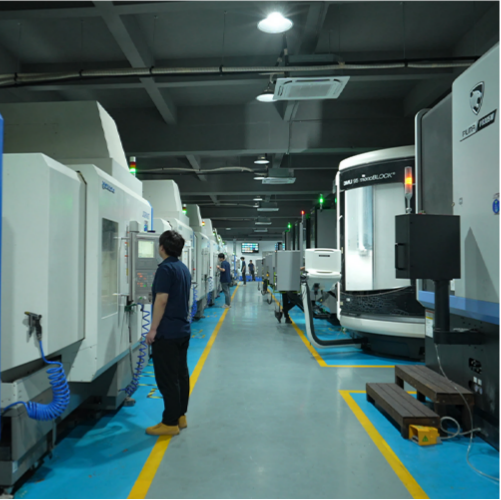
3‑Axis CNC Milling
Cost‑effective · Stable for batches · 1–3 day prototype lead time
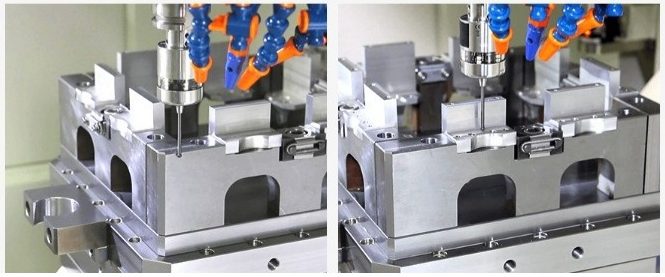
5‑Axis CNC Machining
Complex surfaces · One‑set‑up machining · High repeatability
- ✓ Single‑set‑up machining for complex surfaces, deep pockets and undercuts
- ✓ Fewer set‑ups, reduced cumulative error and better positional accuracy
- ✓ Ideal for molds, precision fixtures, automation tooling, aerospace parts
- ✓ Small batches in 5–7 days, tolerance down to ±0.01 mm
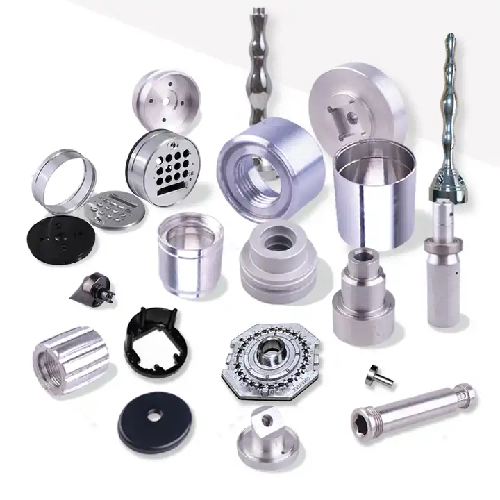
Materials
Multi‑material capability · We recommend the right grade for your application
Industries Served
Machine modules, standard structural parts
Jigs & fixtures, brackets, transmission parts
High‑stability precision components
Structural components, connectors
High-Precision CNC Machining & Custom Mechanical Parts Manufacturing
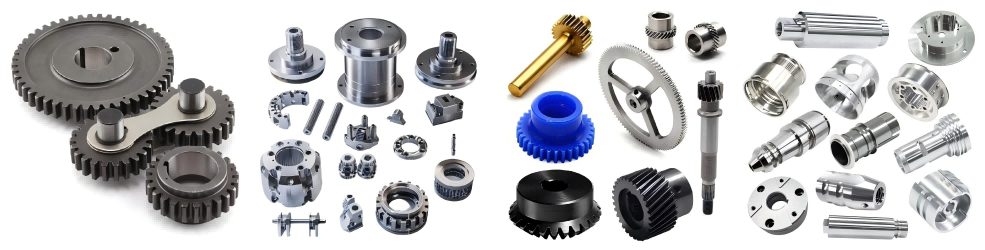
Small-to-medium batch production with tolerances down to ±0.005 mm for global small and mid-sized manufacturers. We provide 3-axis and 5-axis CNC machining, turning, milling, material review, quality inspection, and batch delivery services for industrial buyers worldwide. STEP, IGS, PDF, and DWG files are supported, and our engineering team responds with project review and quotation feedback within 24 hours.
We accept machining and manufacturing orders for automation equipment components from customers in all countries. Typical parts include mounting base plates, guide rail sliders, fixture bases, and sensor brackets.
Upload Drawings to Get a Quote
Our engineering team quickly evaluates material, tolerance, surface finishing, and quantity requirements to provide a high-quality quotation with DFM suggestions. We accept multiple 3D and 2D drawing formats, including full assembly drawings and individual part drawings, and route all submissions to the formal RFQ entry point.
Suitable Types of Parts for Machining
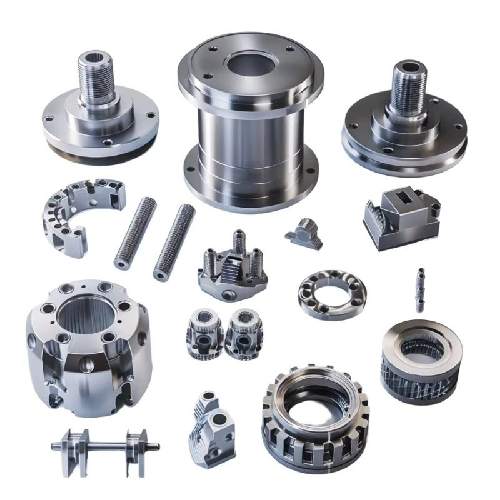
We provide custom machining services for mechanical equipment, automation systems, semiconductor equipment, medical devices, and industrial machinery. Common parts include flanges, housings, brackets, plate parts, shaft parts, and custom assembly components.
Start from typical part types so buyers can first judge whether the project is manufacturable
Instead of beginning with machine counts, the homepage should first answer the most practical question for buyers: what type of part they have on hand, and whether it fits your manufacturing system. For industrial sourcing, this creates more decision value than simply stating how professional the factory is.
Your homepage already covers projects from automation equipment, semiconductor equipment, medical devices, and industrial machinery, and it also lists common structures such as flanges, housings, brackets, plate parts, shaft parts, and assembly components. This way of presenting capability is more aligned with how global engineering buyers read and assess suppliers.
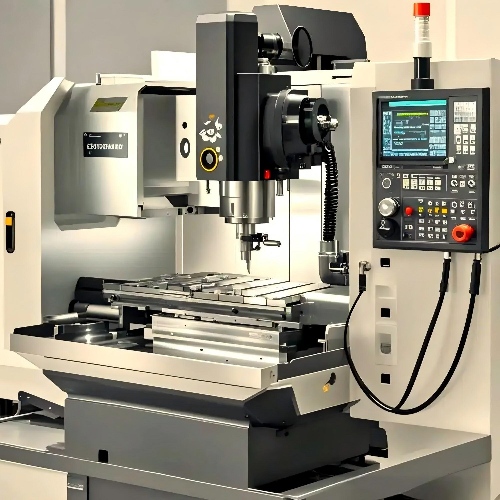
For standard structural parts and medium-complexity industrial components, 3-axis machining controls cost more steadily
Your positioning of 3-axis machining is accurate. It fits standard structural parts and medium-complexity industrial components, especially projects dominated by planar features, slots, hole patterns, cavities, and basic mounting interfaces. For many automation systems, general industrial equipment, and structural component sourcing programs, 3-axis machining offers a more balanced trade-off between cost and efficiency.
The homepage does not need to turn 3-axis machining into an encyclopedia. It should clearly tell buyers when 3-axis is recommended, which parts it suits best, and why it helps them control budget and lead time more effectively.
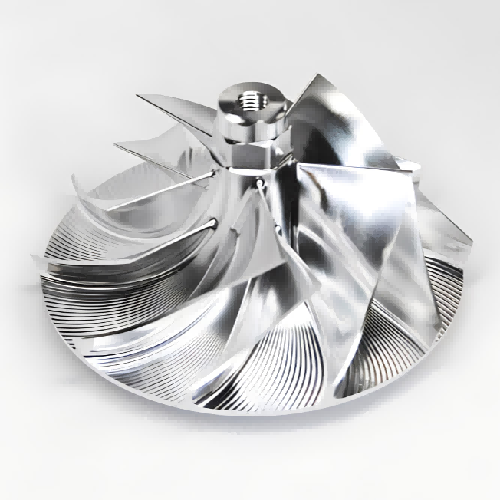
For multi-side, curved, and fixture-sensitive parts, 5-axis machining reduces process steps and accumulated error
For complex parts involving multi-face machining, curved surfaces, deep cavities, or reduced fixturing error, 5-axis machining has clear advantages. It is not about looking more advanced. It is about better control of feature relationships, consistency, setup count, and total process flow for the right projects.
When a part involves multi-side mounting, curved surfaces, deep cavities, undercut structures, or high assembly consistency requirements, the 5-axis route deserves priority evaluation. This process-matching logic based on part geometry is more in line with international industrial communication than vague equipment claims.
Uploading drawings is not an isolated action, but the starting point of a complete RFQ workflow
Our engineering team evaluates material, tolerance, surface finish, and quantity requirements and provides quotation feedback with DFM suggestions. We support multiple 3D and 2D drawing formats and accept full assembly drawings as well as individual part files. These are the details international buyers genuinely care about when initiating a project.
Compared with only showing a generic Contact Us button, it is far more effective to explain what happens after drawings are submitted, what information needs to be added, and how quickly the team usually responds. This matches the real project workflow more closely and improves RFQ conversion.
From incoming material confirmation to final inspection, control is built around critical dimensions, batch consistency, and delivery requirements
High-quality delivery is not only a final shipment check. It starts with incoming material confirmation and continues throughout the manufacturing process. For projects involving critical dimensions, critical materials, and critical assembly positions, inspection methods and delivery requirements can be defined based on the drawing focus. This is also one of the key standards international industrial buyers use to judge supplier reliability.
For repeat orders and small-to-medium batch projects, quality control is not just about whether one part passes inspection. It also involves consistency between batches, stability of key dimensions, and clear documentation support. Only then can customers move from approved samples to follow-up batch purchasing with confidence.
Confirm material condition, specification, and baseline quality to prevent raw material deviation from affecting machining and assembly performance.
Stage inspection is carried out on critical operations, critical dimensions, and critical assembly reference surfaces to reduce the risk of late-stage problem exposure.
Dimensions, appearance, and project requirements are confirmed before shipment to keep finished parts aligned with drawings, approved samples, and order standards.
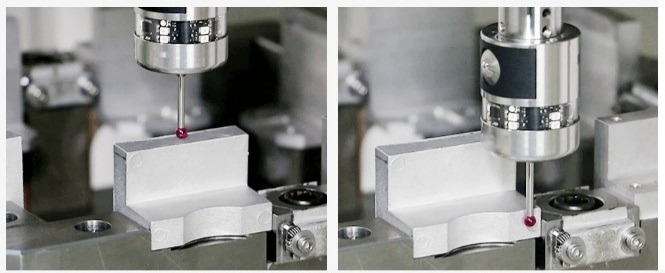
For critical-dimension projects, first article confirmation, dimensional reports, and CMM inspection support can be provided; material-related documentation is available on request.
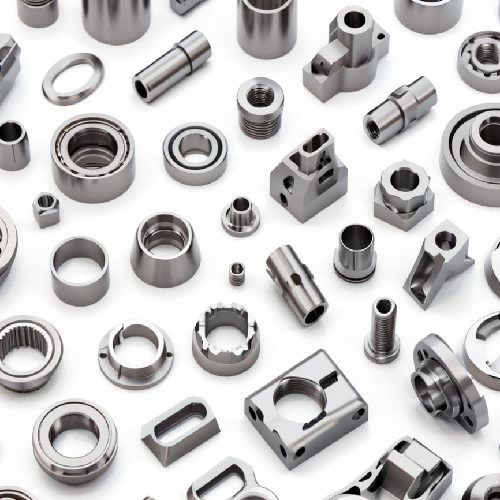
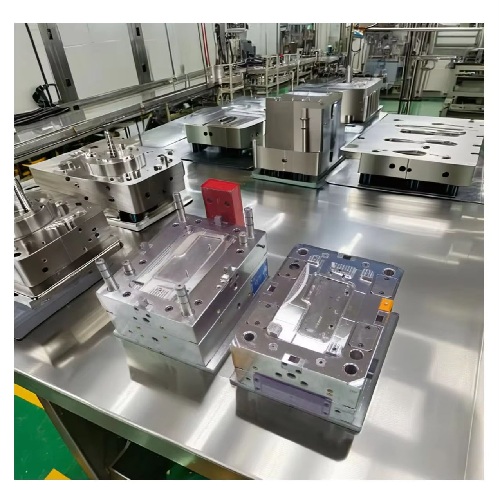
Machinable materials for custom mechanical parts and industrial component projects
Material selection is part of manufacturability and delivery planning. For global industrial buyers, machining suitability depends not only on geometry but also on material grade, dimensional stability, surface requirements, and the target use environment. Material review is therefore included as part of the engineering assessment before quotation.
This approach is especially useful for automation equipment, semiconductor tools, medical device components, and industrial machinery projects where fit, repeatability, and batch stability matter.
Match materials based on strength, corrosion resistance, temperature, and cost targets
We support machining of common metals, engineering plastics, and selected high-performance materials. According to strength, corrosion resistance, temperature resistance, thermal conductivity, insulation, and cost targets, we can recommend suitable material options for your parts and applications.
Aluminum Alloys / 6061, 7075
Suitable for lightweight structural parts, fixtures, and general precision components where weight, machinability, and cost must be balanced.
Stainless Steel / 304, 316L, 17-4PH
Combines corrosion resistance, strength, and stability and is suitable for a wide range of industrial components in demanding environments.
Carbon Steel & Alloy Steel
Used for structural parts, supports, and components with standard strength requirements where rigidity and cost efficiency are key.
Titanium Alloy / TC4
Recommended for applications that require high strength, low weight, and increased corrosion resistance in demanding conditions.
Engineering Plastics / POM, Nylon, PEEK
Suitable for parts requiring insulation, weight reduction, low friction, or resistance to chemical environments.
Serving industrial customers who require dimensional stability, machining consistency, and responsive delivery
Based on industry operating conditions, structural characteristics, and quality requirements, we can provide different tolerance levels and inspection plans. The purpose of showing industries on the homepage is not simply to look broad, but to help buyers judge whether we truly understand their project environment.
Automation Equipment
Jigs, brackets, module structural parts, and components for automation assembly systems.
Semiconductor Equipment
Precision components with high cleanliness, high consistency, and high stability requirements.
Medical Devices
Structural parts, connectors, and components with demanding dimensional and surface quality requirements.
Aerospace
Lightweight, high-strength precision parts and complex structures for development and production.
Why global sourcing and engineering teams choose to work with us
We do more than provide CNC machining. We focus on end-to-end coordination from drawing review, process matching, and material recommendations to quality control and delivery alignment, helping customers move more reliably from prototype development to low-volume validation and batch production.
Process Matching for Complex Parts
Process routes and machining methods are evaluated in advance to reduce rework and trial-and-error risk.
Quality Control on Critical Dimensions
Critical dimensions, fits, and assembly datums receive focused inspection and documentation support.
Materials & Surface Finishing Coordination
Material and surface treatments are matched to functional requirements such as wear, corrosion resistance, and appearance.
Continuous Delivery from Prototype to Batch
Support for repeat orders, staged ramp-up, and small-to-medium batch deliveries for ongoing programs.
International Project Communication Support
Clear communication for overseas clients on drawing review, lead times, and documentation throughout the project.
Better Fit for Real Procurement Decisions
Focus on project fit, execution risk, and long-term supply stability rather than only price and slogans.
Typical part application scenarios
The following project types better reflect the real capability of a precision machining supplier. Compared with generic statements about “multiple industries”, concrete part scenarios, process challenges, and delivery requirements make it easier for sourcing and engineering teams to judge whether we are a good match.
Automation Equipment Structural Parts
Mounting plates, brackets, connection blocks, locating parts, and module fixing components.
Key challenges: assembly accuracy, multi-hole position consistency, flatness, and mounting interface fit.
Semiconductor & Electronics Equipment Components
High-precision plates, cavity parts, fixtures, and thermal management structures.
Key challenges: tight tolerance clusters, deformation control, and high surface quality.
Medical & Instrument Structures
Housings, precision connectors, supports, and small complex functional parts.
Key challenges: balancing appearance and dimensions, small parts stability, and batch-to-batch consistency.
Custom Non-Standard Precision Parts
Prototype development parts, imported part replacements, optimized structures, and assembly correction components.
Key challenges: non-standard requirements that must be judged comprehensively based on function, quantity, and target use.
What happens after you upload drawings?
When submitting drawings, we recommend including material, quantity, tolerance, surface finish, and target lead-time information. This allows us to move faster into effective review and quotation, reducing back-and-forth communication time.
Submit Drawings & Requirements
Upload CAD / PDF drawings and add material, quantity, tolerance, surface finish, and lead-time requirements.
Engineering Review & Feasibility
We evaluate part geometry, machining methods, inspection needs, and batch requirements to perform an initial feasibility assessment.
Quotation & Delivery Proposal
Based on material, process route, quantity, and post-treatment requirements, we provide a quotation and delivery recommendation.
Prototype / Batch Execution
Once confirmed, the project moves into prototype manufacturing, low-volume pilot runs, or stable batch delivery.
When submitting, it is helpful to specify part usage, critical tolerances, target materials, quantity range, surface finish, inspection requirements, and the target receiving country.

Send drawings, quantities, materials, and lead times together to get a faster, more effective response
The final task of the homepage is not to repeat company information, but to clearly tell buyers what to do next. Uploading drawings for quotation is the primary path; reviewing manufacturing capabilities is the secondary path; urgent projects can go directly through WhatsApp for fast communication.