
.
Custom CNC Machined Parts from a Chinese Manufacturer for Industrial Equipment Projects
Send Your Drawings for a Machining Process Review Before Quotation
A mounting plate, bracket, flange, housing, or shaft may share the same part name as another component, yet require a completely different machining route, inspection plan, cost basis, and delivery schedule. The part name alone does not define the geometry, datum structure, tolerances, material, quantity, surface requirements, or assembly conditions that determine manufacturability and cost. Customers requesting a CNC manufacturing process review can submit the drawings and project requirements currently available. You do not need to decide in advance whether the part requires 3-axis machining, 5-axis machining, turning, or turn-milling. We assess the manufacturing requirements first, then prepare the quotation on a practical process basis. This gives you a clearer basis for comparing quotations, approving prototypes, and planning repeat production.Why Can Quotations for Parts with the Same Name Differ So Significantly?
We manufacture and supply custom CNC machined parts for industrial customers worldwide.
- Part geometry, critical datums, and known mating conditions
- Material grade and any heat-treatment or post-processing requirements
- Critical tolerances, functional dimensions, and surface requirements
- Quantity, project stage, and expected repeat-production requirements
- Target delivery date, delivery flexibility, and destination where relevant
How Does the Procurement and Production Review Process Work?
Case Study: A German Equipment Manufacturer Submitted Only an Outline Drawing
A Manufacturer of Custom CNC Machined Parts for Projects That Require Process Evaluation
For Machining Process Evaluation, Share Mating-Part and Assembly Information
Parts with different geometry and datum references should not be evaluated using the same manufacturing route. Planar features, hole locations, outside profiles, slots, mounting surfaces, inclined faces, curved surfaces, and undercuts can all affect positioning, workholding, machining sequence, inspection planning, cost, and lead time. Mounting plates, connection plates, brackets, fixture bases, flanges, and housings with accessible planar features and standard hole patterns can often begin with a milling-feasibility review. More complex geometry may require 5-axis machining, turning, turn-milling, or a combined route. If the part includes multiple faces, deep cavities, undercuts, angled features, or difficult access areas, send the drawing before requesting a price. The manufacturing route may be completely different from the one suggested by the part name alone.How Should Shafts, Bushings, Discs, and Connecting Rings Be Quoted?
We manufacture and supply custom CNC machined parts for repeat and volume production.
Case Study: A U.S. Integrator Requested Quotations for a Rotational Part as a Shaft


A Chinese Manufacturer of CNC Machined Parts Based on Material, Tolerance, and Surface Requirements
For Tolerance-Critical CNC Parts, Identify Functional Surfaces and Critical Requirements
Material grade, critical tolerances, geometric controls, surface-finish requirements, and post-processing needs can change workholding, machining sequence, inspection planning, production time, and quotation basis. For tolerance-critical parts, an incomplete drawing or an unspecified functional surface can create avoidable cost, rework, inspection disputes, and assembly risk later in the project. Critical dimensions, fit locations, geometric tolerances, material requirements, surface treatment, and functional surfaces directly affect workholding methods, machining sequence, measurement planning, post-processing coordination, and the quotation basis. Mark these requirements directly on the drawing whenever possible. This allows the manufacturing and inspection plan to be built around the features that actually control part function.How Do Materials Affect Machining and Post-Processing?
We manufacture and supply CNC machined parts to material and critical-dimension requirements.
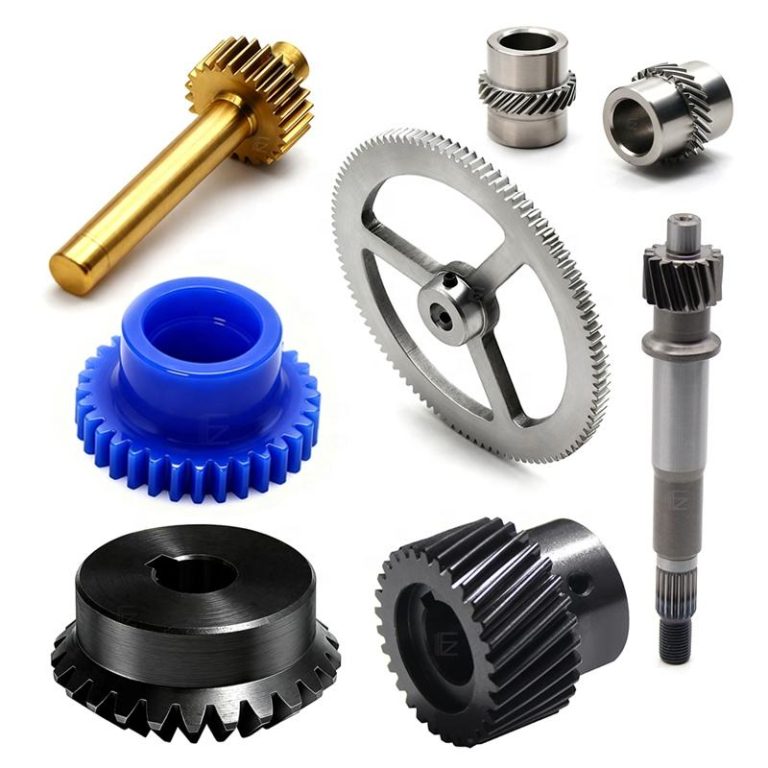
A Manufacturer of CNC Sample Parts, Small Batches, and Production-Volume Machined Parts
For Small-Batch CNC Manufacturing, Share Project Milestones and Delivery Requirements
Quantity and delivery requirements change the manufacturing approach; a unit-price quotation alone does not confirm whether the project is feasible. A quote that ignores quantity, production stage, inspection scope, and delivery timing may look attractive at first but may not support the actual purchasing schedule once the project moves into production. The same part may require a different manufacturing plan for prototypes, small batches, recurring production, urgent replacement needs, or staged production releases. Without quantity, delivery timing, inspection scope, and phased-delivery requirements, the factory cannot determine whether the manufacturing route can support your purchasing schedule.What Should Be Clarified for a Batch CNC Parts Purchasing Project?
We supply CNC machined parts for batch production, taking account of part structure, quantity, inspection requirements, and delivery targets.
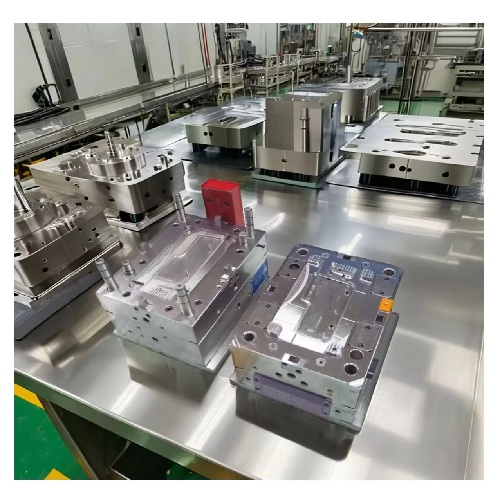
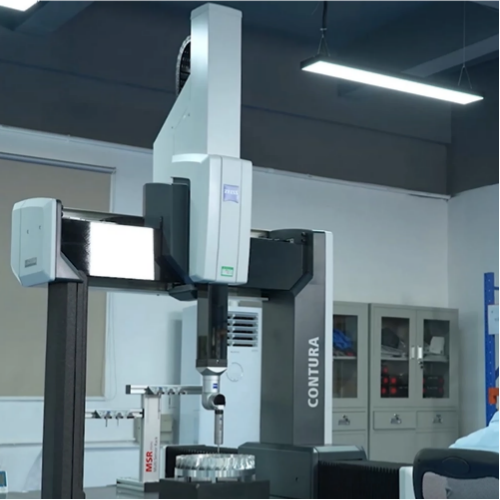
Custom CNC Parts That Require Manufacturing Process Review Before Quotation
Buyers Sourcing Complex Mechanical Parts: Share Functional Dimensions and Critical Requirements
A drawing that shows only a partial outline but does not define critical datums, functional dimensions, material and surface priorities, quantity, delivery conditions, or mating-part relationships can lead to incorrect process assumptions and unreliable quotation comparisons. If you need to buy complex mechanical parts, first share critical datums, functional dimensions, material requirements, surface priorities, quantities, delivery conditions, and available mating-part information. The earlier these requirements are clarified, the more reliable the machining route, quotation, inspection plan, and delivery commitment can be.What Information Can Reduce Errors in a CNC Quotation?
- Critical datums and dimension chains: Reference features and dimensional relationships that affect function and assembly.
- Functional and general dimensions: Dimensions that control fit, movement, sealing, positioning, or appearance.
- Material and surface priorities: Material grade, heat treatment, surface finish, coating, plating, anodizing, polishing, or other post-processing requirements.
- Purchase quantities and project stage: Prototype, pilot batch, repeat production, replacement part, or long-term supply requirement.
- Target delivery dates and delivery flexibility: Required date, phased delivery, urgent requirement, or acceptable schedule flexibility.
- Mating parts and interface relationships: Associated components, assembly references, photographs, samples, or known interface conditions.
How Does the Manufacturing Team Determine the CNC Manufacturing Process?
Case Study: A Japanese Buyer Requested Only a Unit Price
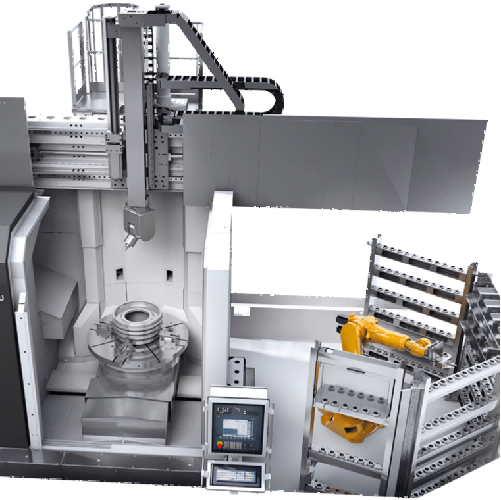

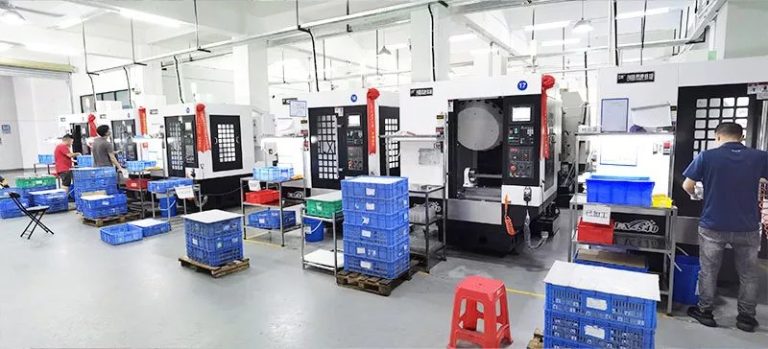
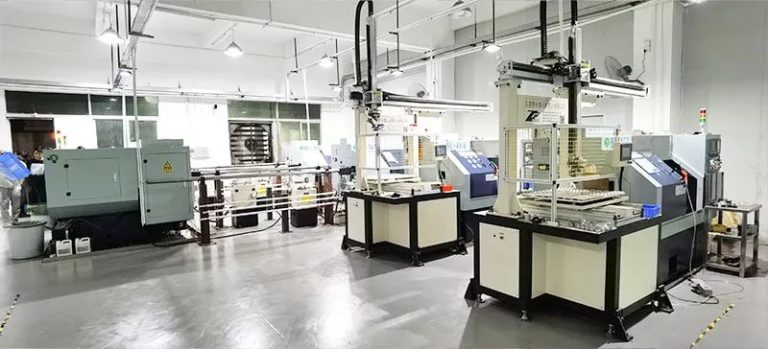
Real Production Capacity Backed by an Operating Workshop
Manufacturing capability is not only about machine lists. Real workshop photos help buyers understand the actual production environment, equipment organization, and the support behind repeat orders and long-term supply.
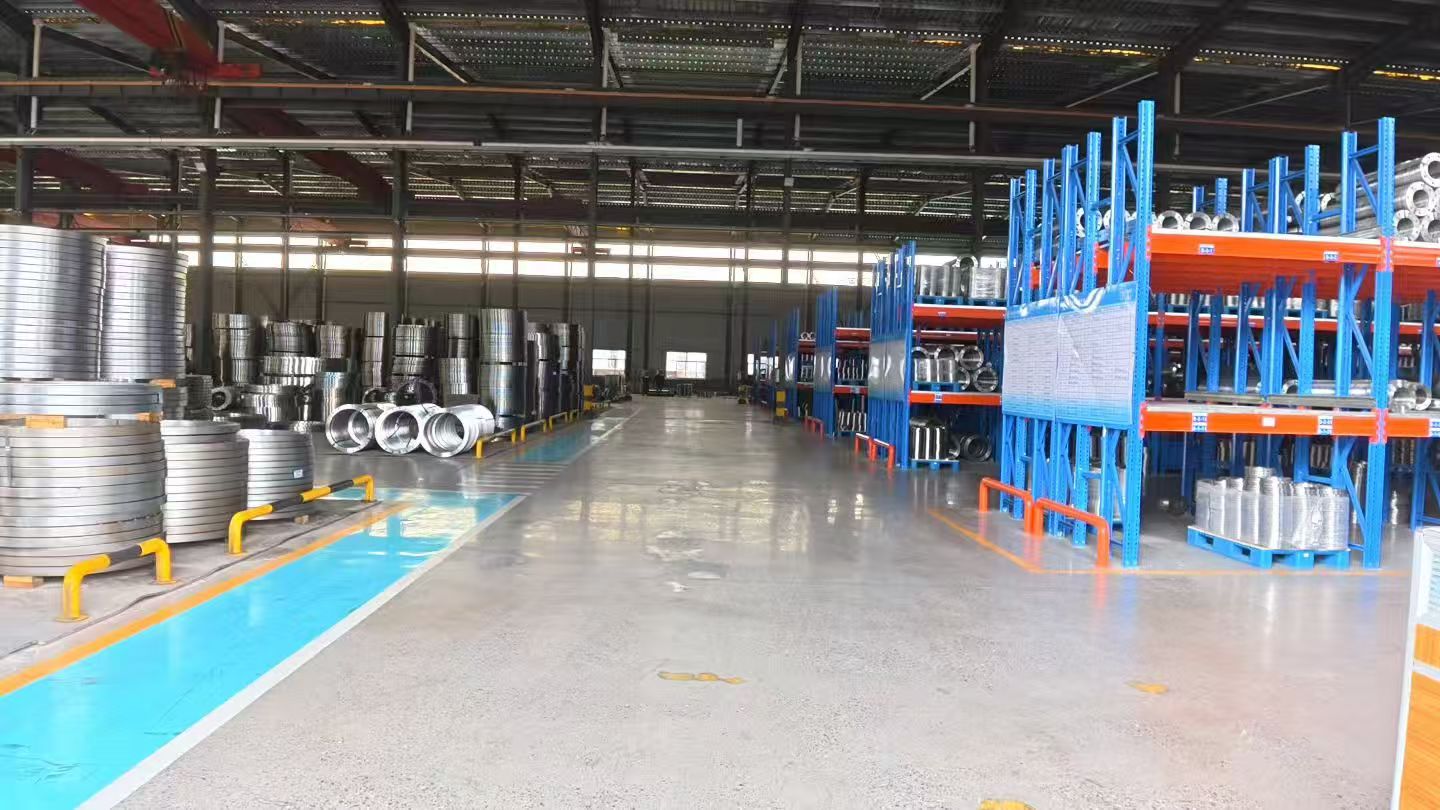
Equipment and Capacity Layout
A clear equipment layout supports confidence in organized production flow and workshop coordination.
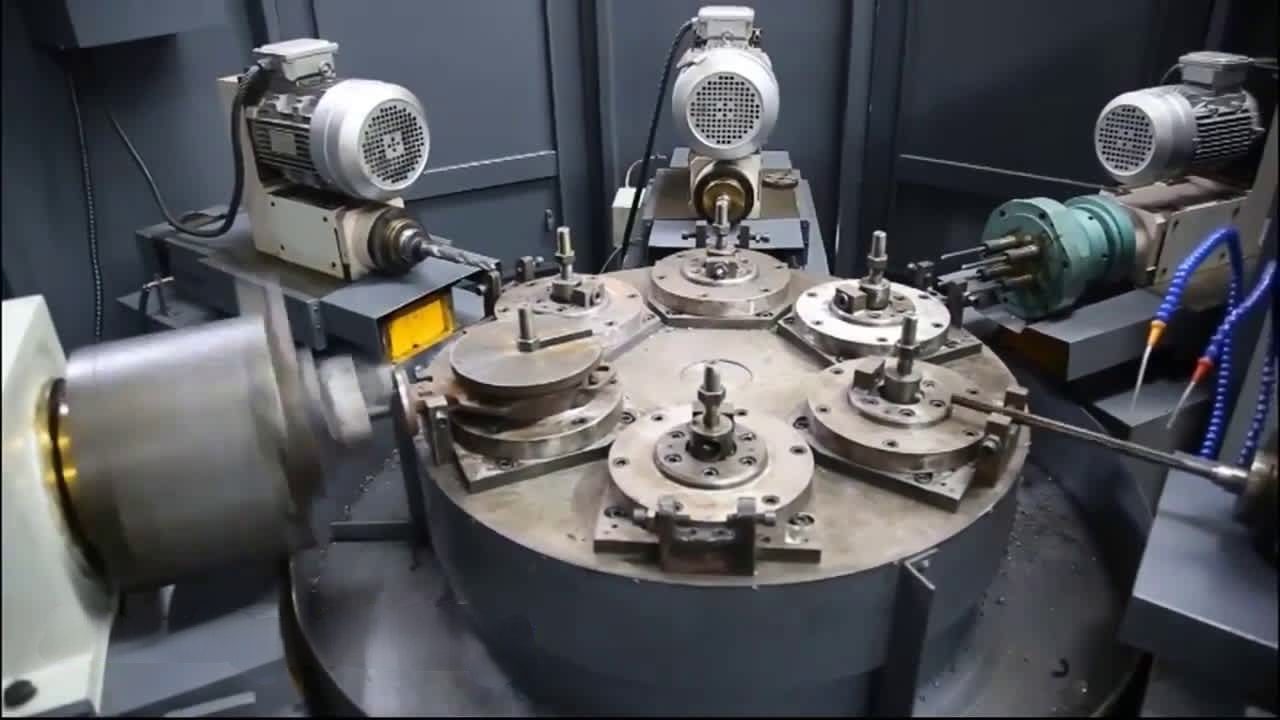
Dedicated CNC Equipment
Dedicated equipment can improve machining stability, part consistency, and production efficiency for specific component categories.
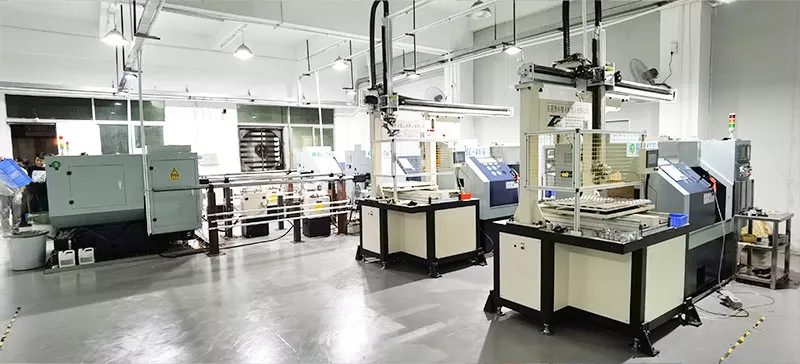
Support for Long-Term Orders
Stable workshop conditions are important for supporting repeat production and long-term industrial supply projects.
RFQ and Manufacturing Resources
Prepare Your Mechanical Parts Manufacturing Project
Upload your 2D drawings, 3D CAD models, part numbers, material requirements, quantities, tolerance requirements, surface finish specifications and assembly information so our engineering team can review your manufacturing request.
View Contact Details and Speak With Our Industrial Team
Related Manufacturing and Supply Pages
- CNC Machining Capacity for Long-Term Supply
- Manufacturing Capabilities for Industrial Mechanical Parts
- 3-Axis CNC Machining for Mechanical Parts
- Stable Batch Supply With 3-Axis CNC Machining
- 5-Axis CNC Machining for Complex Mechanical Parts
- Outsourcing Critical 5-Axis CNC Machined Parts
- Foundry-Based Mechanical Components for Production Programs
- Casting Applications and Drawing-Based RFQs
- Materials for CNC Machining
- CNC Quality Control and Inspection Capabilities
- Industrial Fasteners for Global Supply
- Bulk Supply of Industrial Bolts, Nuts and Washers
- Stainless Steel Fastener Supply
- Threaded Rods, Double-End Studs and U-Bolts
- Contact Our Industrial Manufacturing Team