-1-1-2-126x39.png)
Five-axis machining is not only about whether a part can be made, but whether the final quality can meet global customer requirements
Before discussing five-axis unit price, we first help you judge whether five-axis is truly necessary for the part and where it actually reduces risk.
When engineers work on complex parts, the real question is not simply whether 5-axis CNC machining is possible. The real question is whether a 3-axis route with multiple set-ups can still protect GD&T, assembly relationships, and the final accuracy chain without creating more process risk.
This is why we do not begin with a blind quotation. We begin by deciding whether the part should use 3-axis machining, 3+2 indexed machining, or simultaneous five-axis machining based on function, tolerance interaction, lead time, and batch-to-batch consistency.[web:64]
Judge whether to use five-axis first, then discuss unit price
For every complex or critical part, our first step is not pricing. Our first step is to determine whether five-axis is genuinely required for the part.
Mobile priority: one conclusion first, then the CTA, then the full explanation.
View full process explanation▼
Many engineers hesitate when they face a complex drawing. Does this part really need 5-axis CNC machining? Can a 3-axis route with several re-fixtures still work? If five-axis is chosen but datum planning, fixturing, and thermal displacement are not handled correctly, risk may actually increase instead of decrease.
When we evaluate a part, we start from assembly relationships, GD&T, and the overall machine accuracy chain. We identify which features must be completed in the same coordinate system and in the same set-up, and which features can still be completed through 3-axis or 4-axis positioning.
We then compare 3-axis machining, 3+2 indexed machining, and simultaneous five-axis machining by cost, lead time, and batch-to-batch consistency, so you receive a real process comparison instead of a supplier-driven “only five-axis” answer.[web:64]
- If the challenge is only a local deep cavity or a simple chamfer, a 3-axis route with proper fixturing may still be enough.
- If the part contains multi-face assembly datums, interrelated tight-tolerance hole patterns, and freeform surfaces, a single-set-up five-axis route is often the safer choice.
You receive a comparison that can be discussed internally with engineering and purchasing, rather than a one-line conclusion that pushes you directly into a more expensive route.
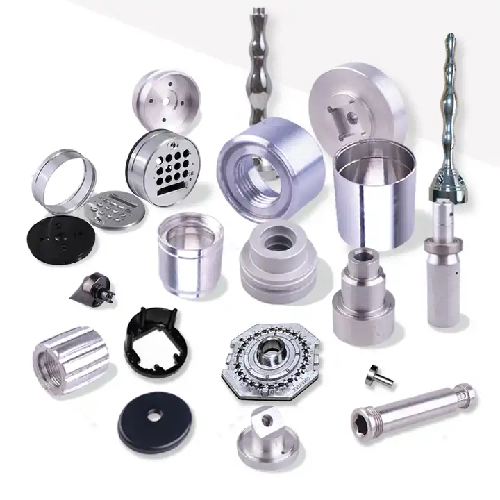
The value of five-axis machining is to control risk on critical functional components
We do not describe five-axis value as “it can machine complex shapes”. We describe it by the functional risk it removes from key parts.
View functional part breakdown▼
We do not use broad statements like “we are good at impellers and complex surfaces”. Instead, we divide typical five-axis parts into concrete functional groups with clear risk points.
Multi-face mounting base / structural baseplate. These parts often carry guides, modules, servo motors, or reducers and act as the structural skeleton of the machine. We prefer simultaneous five-axis machining or 3+2 machining to finish key datums, locating holes, and mating faces in one set-up.
Angled holes and deep cavities. For parts with multiple angled holes, deep pockets, and small internal radii, we focus on tool rigidity, overhang, chip evacuation, and thermal drift. Tilting the workpiece or spindle allows shorter and more rigid tools, which helps reduce chatter marks, steps, and dimensional drift.
Complex geometries and freeform surfaces. In motion control, optics, and fluid systems, complex surfaces often determine flow, stiffness, or guiding accuracy. We separate the surfaces that truly need high-precision five-axis motion from those that can be handled by 3-axis roughing and later finishing, so five-axis time is reserved for the surfaces that affect function.
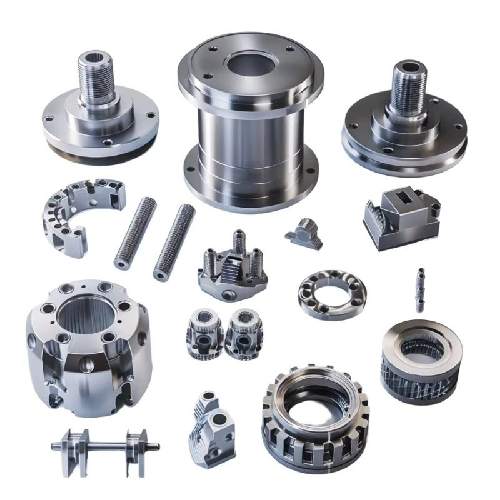
Treat five-axis machining as a risk reduction tool, not a platform for machining showpieces
We prefer to reserve five-axis capacity for critical components that affect system stability, repeatability, and long-term drift.
View risk-control logic▼
During project evaluation, we discuss which parts are truly critical components inside the system, which dimensions are functional GD&T controls, and which operations should be locked on five-axis to secure the tolerance chain.
We also decide which operations can still be assigned to 3-axis machining, turning, grinding, or outsourced sheet metal work, so five-axis capacity is used only where it creates measurable value.
We would rather accept fewer purely decorative parts and reserve five-axis machining for the components that actually influence system stability, repeatability, and long-term drift.[web:64]
For your team, this means five-axis machining is used as a precise tool to reduce assembly error, schedule uncertainty, and quality complaints that consume engineering time and damage delivery confidence.
Which five-axis components are especially suitable to outsource to us
If your project includes multi-datum housings, deep cavities with angled holes, or GD&T-critical structural parts, this is often the right type of five-axis work to outsource.
View suitable outsourcing scenarios▼
Your project is often a good outsourcing candidate if one of the following appears:
- Structural bases or housings with multiple assembly datums, locating holes, and sealing surfaces that must be controlled inside one coordinate system.
- Complex parts where deep cavities, multi-angle holes, undercuts, and complex channels are concentrated in limited space and would require four to six set-ups on a traditional 3-axis route.
- Critical structural parts with tight flatness, parallelism, perpendicularity, or concentricity requirements that directly influence motion precision or sealing performance.
- Internal machining capacity is already full, and your core 3-axis or five-axis machines cannot provide a stable window for new development or pilot production.
In these cases, letting us handle five-axis CNC precision machining can free your internal machines and people from high-risk parts and redirect them to system integration and higher-value development work.
You do not need to outsource every five-axis part at once
Start with one or two typical critical components first, and let your engineering and purchasing teams verify the difference in process planning and risk control in a manageable scope.
View how to start the trial scope▼
You do not need to outsource all five-axis parts immediately. You can start with one multi-face mounting base, one structural part with deep cavities and angled holes, or one baseplate that is highly sensitive to the accuracy chain.
Send STEP, STP, IGES, IGS, XT, DWG, DXF, PDF, JPG, or PNG files together with your purchasing rhythm and assembly method. We will first review whether five-axis is necessary and how much five-axis capacity the part truly needs, then discuss price and lead time.[web:68][web:53]
This gives your internal engineering and purchasing teams a controlled way to evaluate the real difference in five-axis machining, complex parts planning, and risk management before expanding the scope.
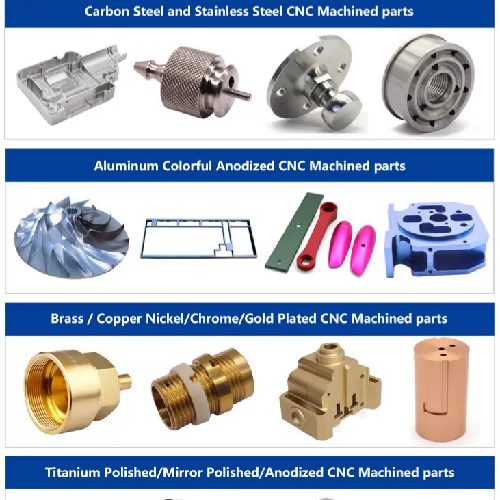
Five-axis machining is not only about “can we make the part”, but whether quality meets global customer requirements
Before talking about five-axis unit price, we first help you decide whether five-axis is really necessary, and how to use it to control tolerance chains, assembly accuracy, and quality risk.
Many engineers are unsure whether a complex part must use five-axis CNC machining, or whether a 3-axis route with several set-ups can still meet GD&T and system accuracy requirements without increasing risk.
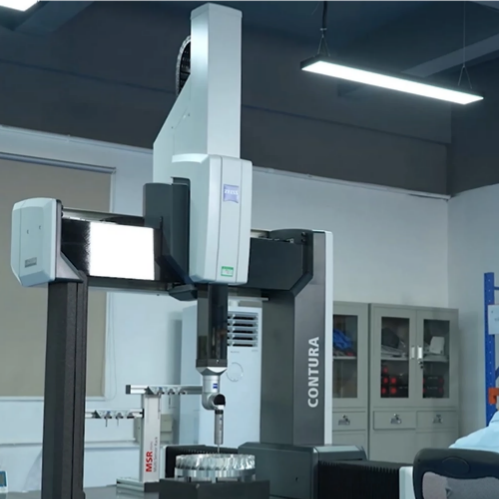
Judge “whether to use five-axis” first, then discuss unit price
For each complex or critical part, we start by analysing whether five-axis machining is technically necessary instead of pushing a fixed “must use five-axis” answer.
View full explanation for five-axis vs 3-axis route ▼
Many engineers hesitate when designing complex parts: is five-axis CNC machining really required, or can 3-axis with multiple set-ups still work? If a five-axis set-up is not planned well, poor datums, fixtures, or thermal control might even increase risk.
When we take over any complex or critical part, our first step is not to quote, but to help you judge whether five-axis is needed. We analyse from assembly relationships, GD&T, and the overall system accuracy chain which features must be completed in one co-ordinate system and one set-up, and which features can be machined on 3-axis or 4-axis with multiple positions.
We then compare 3-axis machining, 3+2 indexed machining, and simultaneous five-axis machining in terms of cost, lead time, and batch-to-batch consistency, instead of simply saying “this part can only be done on five-axis”.
For many parts that look complicated, we will clearly tell you:
- If the complexity is limited to local deep cavities or simple chamfers, the part can often be machined on 3-axis with proper fixturing and process sequence.
- If the same part has multi-face assembly datums, interlinked tight-tolerance hole systems, and freeform surfaces, then it is worth using five-axis machining in a single set-up to avoid untraceable cumulative errors from repeated clamping.
What you receive is not a simple “this needs five-axis”, but a comparison covering “no five-axis”, “combined process route”, and “must use five-axis”, so your internal process and purchasing teams can evaluate options together instead of being led by supplier preference.
Five-axis machining is used to control risk on critical functional parts
The value of five-axis CNC machining is to reduce risk on multi-face mounting bases, angled-hole deep-cavity parts, and freeform functional surfaces, not just to make complex shapes.
View how we group five-axis parts by function and risk ▼
We do not simply say “we are good at impellers or complex surfaces”. Instead, we break typical five-axis parts into several clear functional series with corresponding risk points.
Multi-face mounting base / structural baseplate. These parts carry multiple modules, rails, servo motors, or gearboxes and act as the “skeleton” of the system. We prefer simultaneous five-axis machining or 3+2 indexed machining so that all assembly datums, locating holes, and key mating faces are finished in one set-up, minimising later damage to these datums.
Angled-hole and deep-cavity structural parts. For parts with several angled holes, deep cavities, and small internal radii, we focus on tool rigidity, overhang, chip evacuation, and thermal displacement, using better tool approach angles and intermediate checks to avoid chatter, step marks, and size drift.
Complex geometries and freeform mating surfaces. In motion control, optics, and fluid-related applications, many complex surfaces directly determine flow, stiffness, or guiding accuracy. We divide surfaces into areas that truly need high-precision five-axis motion and areas that can be roughed on 3-axis before a final pass, controlling surface finish and form error where it matters most.
Use five-axis machining to lock critical dimensions and reduce system risk
We prefer to reserve five-axis capacity for critical components that affect system stability, repeatability, and long-term drift, instead of filling machines with purely showpiece parts.
View how we treat five-axis as risk mitigation ▼
In project evaluation, we discuss together:
- Which components are truly critical to overall system precision or uptime once they go out of control.
- Which GD&T dimensions are functional and must be controlled strictly, and which are only local shapes.
- Which operations should be locked on five-axis to secure the tolerance chain, and which can be assigned to 3-axis, turning, grinding, or sheet-metal suppliers.
We would rather accept fewer purely decorative parts and instead keep five-axis capacity for components that materially influence system stability, repeatability, and long-term drift.
For you, this means you are not simply throwing complex 3D models to suppliers. You are using five-axis CNC machining as a heavy tool to address assembly errors, schedule uncertainty, and quality complaints that really consume team time and reputation.
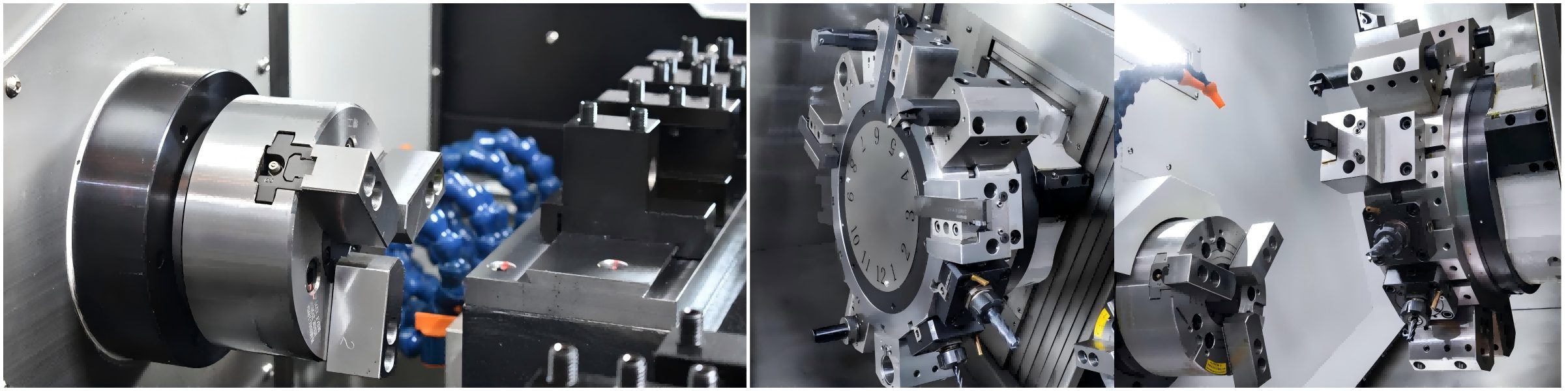
Which five-axis components are especially suitable to outsource to us
When parts have multi-datum structural bases, deep cavities with angled holes, or tight GD&T that influences system performance, it is often more efficient to outsource the five-axis work.
View typical five-axis parts suitable for outsourcing ▼
Your project is especially suitable to outsource five-axis machining to us if you see:
- Structural bases or housings with multiple assembly datums, locating holes, and sealing faces that must be controlled in one co-ordinate system.
- Complex parts where deep cavities, angled holes, undercuts, and complex flow channels are concentrated in a limited space and 3-axis would require four to six set-ups.
- Critical structural components with tight flatness, parallelism, perpendicularity, or concentricity that directly affect motion accuracy or sealing.
- Situations where internal machining capacity is fully loaded, core 3-axis or five-axis machines are taken by daily parts, and there is no stable window for new or pilot projects.
In these cases, outsourcing five-axis CNC precision machining to us frees your internal machines and people from high-risk, high-debugging parts so they can focus on projects with higher strategic value while reducing uncertainty from multi-supplier debugging.
Start with one typical five-axis critical part instead of outsourcing everything at once
You do not need to outsource all five-axis components immediately; select one or two typical critical parts first and let us demonstrate the process and risk management difference.
View how to start cooperation from one critical part ▼
You do not need to immediately hand over every five-axis part. You can start with:
- One multi-face mounting base, one structural part with deep cavities and angled holes, or one baseplate that is especially sensitive to the tolerance chain.
- Send STEP / IGES / PDF drawings together with rough purchasing schedules and assembly methods.
- We will first give process suggestions and risk evaluation from the perspective of “whether to use five-axis and how much five-axis to use”, then discuss price and lead time.
In this controlled trial scope, your engineering and purchasing teams can experience our approach to five-axis machining, complex part process planning, and risk management in a real project.
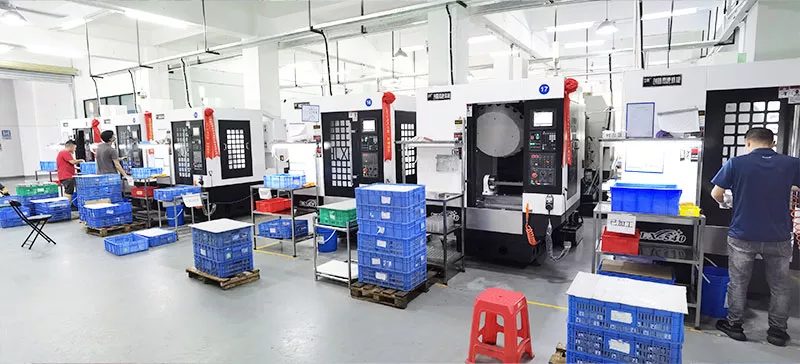
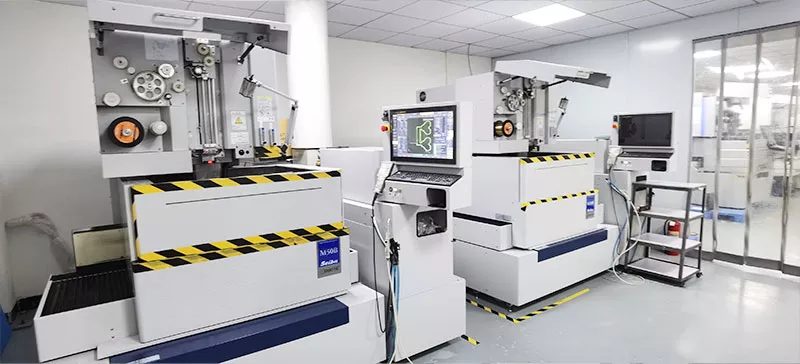
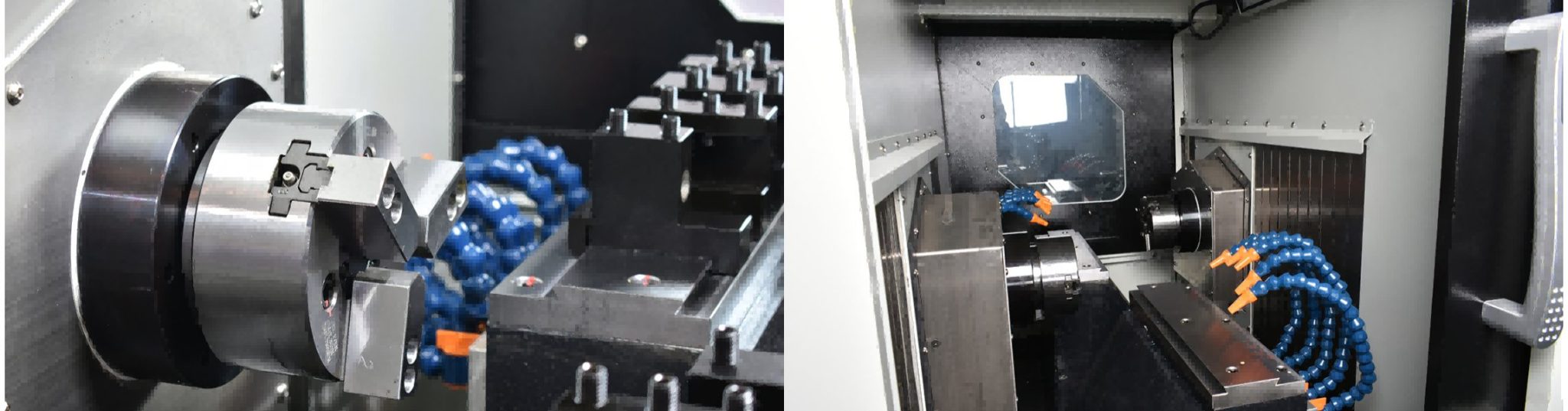
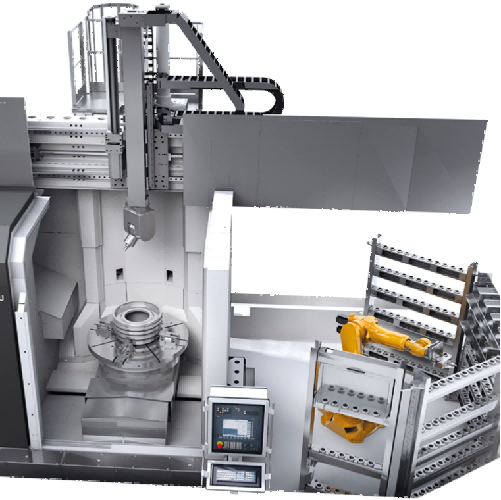
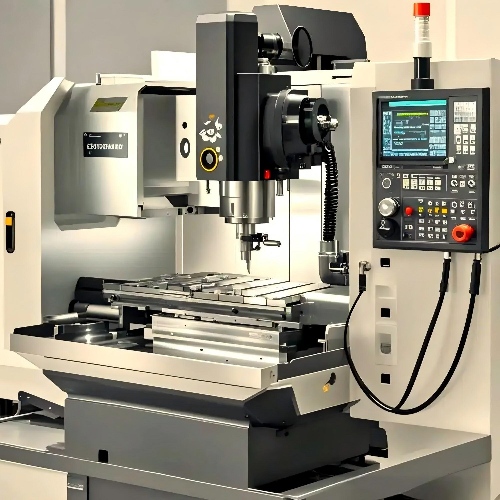
Equipment Support for More Complex 5-Axis Projects
5-axis machining is often selected for complex parts, multi-side geometry, and projects that require stronger setup flexibility and machining efficiency.