-1-1-2-126x39.png)

Quality Documentation and Inspection Reports
In many machining projects, the real risk is not the machining itself but a mismatch in acceptance expectations.
If document requirements, usage purpose and delivery timing are defined in advance, later communication friction can be reduced significantly.

Confirm document scope before order placement so dimensional inspection, first article approval and shipment release expectations stay aligned.
What Quality Documents Are Commonly Requested?
In machining projects, common documents usually fall into four groups: dimensional records, first article documents, material records and shipment confirmation records.
They are not just “attachments”. They help your team make decisions, complete acceptance checks and manage handover at different project stages.
Typical scope may include dimensional inspection records, FAIR-related confirmation, material certificates and shipment release checks, depending on project risk and internal acceptance flow.

Dimensional reports, first article records and shipment checks support acceptance decisions at different stages of the project.
Which Projects Should Define Inspection Documents Early?
If your project is sensitive to assembly fit, positional accuracy, material traceability, cosmetic consistency or long-term reorder stability, it is better to define document scope during the RFQ stage.
The higher the project value and coordination risk, the more helpful it is to clarify document boundaries before order confirmation.
This is especially useful for projects with tighter assembly interfaces, batch traceability expectations or more formal internal approval steps.

RFQ-stage clarification helps align acceptance expectations before production begins, especially for projects with higher assembly or traceability sensitivity.
How to Mark Critical Dimensions and File Requirements During Quotation
If key dimensions, functional surfaces,重点检测区域【需确认】 and required reporting depth are marked clearly on drawings or notes, suppliers can make a quality judgment closer to real use conditions.
That is far better than treating the project as a standard order with default inspection logic.
Recommended file formats for RFQ include STEP, STP, IGES, IGS, XT, DWG, DXF, PDF, JPG and PNG, together with comments on critical areas and reporting expectations.
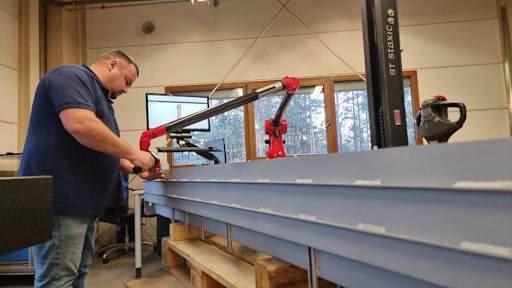
Marking critical dimensions, functional zones and report depth helps suppliers judge quality requirements more accurately during quotation.
How Do Documentation Requirements Differ Between Prototypes and Batch Production?
Prototype projects focus more on validating key risks and confirming whether the part can function as intended.
Batch production places more weight on continuity and consistency, so documentation shifts toward stable long-term delivery control.
Not every project needs a complex documentation system, but expectations should always be defined clearly at the beginning.
Use prototype-stage documents to confirm usability and engineering assumptions, and use batch-stage documents to control repeatability, consistency and release discipline over time.