-1-1-2-126x39.png)
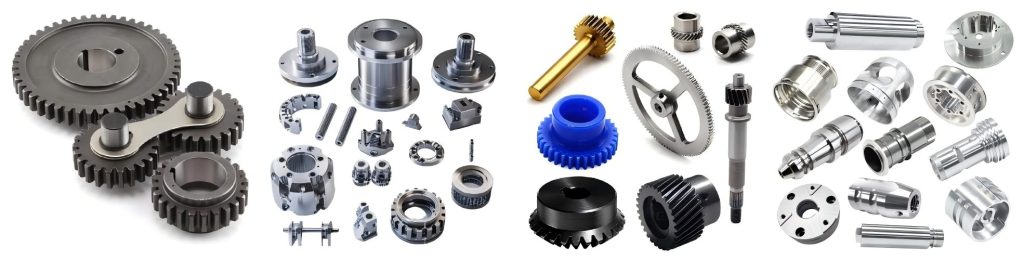
Quality Assurance Framework for Mechanical Equipment Parts and Automation Modules
We build quality control around drawings, tolerances, materials and application scenarios to support a complete process from incoming inspection to first article, in-process checks and final inspection release for machined brackets, housings, flanges, shafts, connectors and assembly-sensitive parts.
This helps you achieve more controllable outcomes across dimensional accuracy, batch consistency and delivery reliability instead of relying only on final inspection.
Whether you are working on one-off engineering samples or long-term repeat orders, as long as you share drawings and key quality requirements at the RFQ stage, we can respond within 24 hours with a feasible quality control plan and inspection scope.
If your project requires dimensional inspection reports, full measurement records, first article inspection (FAIR) or quality documents in a specific customer template, you can specify the inspection depth and document format at the RFQ stage.
We will plan inspection methods and sampling rates in advance based on part accuracy level, order pattern and industry compliance needs so that every batch is inspected and documented to the agreed standard before shipment. This supports your internal reviews and helps you pass end-customer acceptance with more confidence.

Quality is planned from the first drawing and RFQ, not only checked at the final inspection stage.
How We Define Acceptable Mechanical Parts
For mechanical equipment parts, an acceptable part is not just “within tolerance”. It must complete its function reliably in the target application and carry traceable quality records.
For brackets, housings, flanges, shafts, guide components and assembly parts, a single part passing inspection does not guarantee batch consistency, nor does it automatically ensure performance under assembly load, vibration, temperature variation or long-term operation.
That is why quality assurance has to start with drawing review, material confirmation and process planning and then extend into in-process control and batch-level data.
This definition is especially relevant to automation line structures, jigs and fixtures, precision transmission parts, non-implant medical-related components and long-running industrial modules. Failure in these parts can lead to downtime, rework and cascading impact on lines or downstream equipment.
If some parts in your project have special “functional acceptance” requirements, it is helpful to mark critical dimensions, assembly datums and CTQ / CTF features on the drawings or RFQ and to describe the operating environment. We will then list these items explicitly in the quality control plan.

We look at how parts behave over time in real assemblies, not just whether one measurement falls within tolerance.
Quality Management System and Certification Basis
Our quality management system is built in line with ISO 9001, with documented processes, record tracking and continuous improvement to keep each batch under control.
In daily operation, we have structured flows and forms covering drawing review, incoming inspection, process control, final inspection and nonconformance handling. Each critical step has recording and traceability, which supports long-term projects, repeat orders and customer audits.
This type of systematic quality management is especially important for automation OEMs, equipment integrators, precision module manufacturers and multinational projects that need stable long-term supply and audited processes.
If your project needs to pass third-party audits or customer on-site assessments, we can share a quality process overview and sample records in advance and cooperate on project-level quality agreements, PPAP or other tailored documentation.

A documented quality system and records make repeat orders and customer audits more transparent and predictable.
Drawing Review and Manufacturability Evaluation
Before quotation and production, we review each drawing for manufacturability instead of simply pricing “as drawn”.
We evaluate tolerance feasibility, measurement methods, material suitability and potential manufacturing risks to avoid unexpected rework, changes or cost drift caused by overly tight but non-functional tolerances or hard-to-measure implicit requirements.
For long shaft parts, we pay special attention to straightness, concentricity and machining methods. For thin-wall housings, we focus on wall thickness, tolerance and fixturing. For multi-station assemblies, we confirm datums and fit tolerances ahead of time.
If you want to reduce manufacturing risk before placing an order, you can upload drawings together with assembly sketches, critical fit notes or functional expectations. We can provide a concise DFM suggestion to support your design or tolerance decisions.
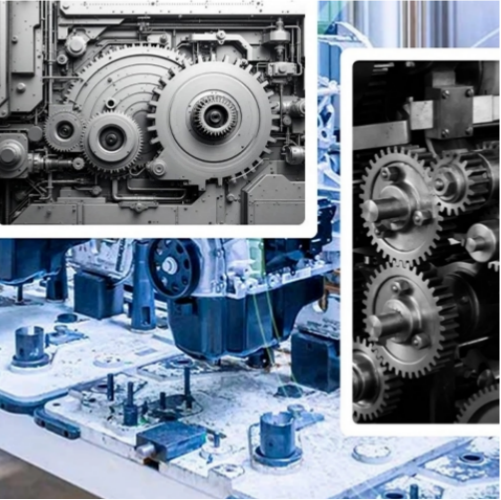
Early DFM review helps balance function, tolerance, machining strategy and inspection feasibility.
Material and Incoming Quality Control
All metal and engineering plastic stocks go through incoming inspection and batch recording, with material certificates available for critical projects.
Composition, strength level, heat-treatment condition and batch variation of plates or bars all affect dimensional stability, surface quality and service life. If the source is off-spec, downstream process control alone cannot fully compensate.
For projects requiring specific grades such as 6061-T6, 7075-T651, 304, 316L, 17-4PH or defined engineering plastics, we match material certificates and markings at incoming stage. For demanding projects, third-party material re-testing can be arranged when needed.
If your project needs batch traceability or environmental compliance, please specify which material documents you require in the RFQ, for example MTC, RoHS / REACH statements or impact / tensile reports. We will consider them in both quotation and production planning.
Source control on materials is critical for stable dimensions, surface quality and service life.
First Article Inspection (FAI): Get the First Part Right
For new projects or critical parts, we run first article inspection before full batch production to confirm the process is stable.
FAI confirms that dimensions, tolerances, appearance and functional key points all meet drawings and agreed standards before releasing batch machining.
This helps identify issues in locating, toolpaths, fixturing or measurement methods while the process is still fresh, avoiding propagating the same error across an entire batch.
It is particularly helpful for high-precision fit parts, complex 5-axis components, multi-step machined parts and parts that go through surface or heat treatment, where rework is costly and disruptive to scheduling.
If you want more control over first articles, you can request FAI reports or on-site confirmation methods when ordering. We will configure the first article workflow and reporting templates accordingly.
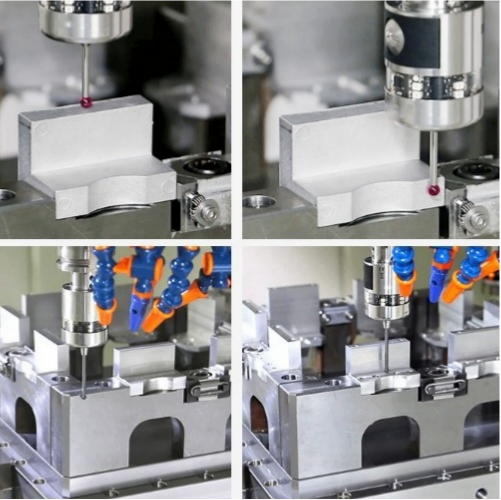
FAI prevents the same process deviation from being repeated across the full batch.
In-Process Inspection and Sampling Strategy
We do not rely on final inspection alone. Key processes have in-process checks and sampling points to monitor batch stability.
Through on-machine measurements, in-between process checks or statistical process control (SPC), we detect deviations as they emerge instead of waiting until all machining is finished.
This reduces scrap, avoids batch-level rejections and is especially important for medium to large volume orders with tighter delivery windows.
For shafts and fit bores, we periodically monitor diameters, roundness and positional tolerances during production. For high flatness surfaces, we check flatness after key steps. For long-running batch programs, we can use SPC data to analyze trends.
If some features require special “process control”, you can mark them as critical dimensions or process-monitored items on the RFQ or drawings. We then add in-process frequencies and record formats for these features.
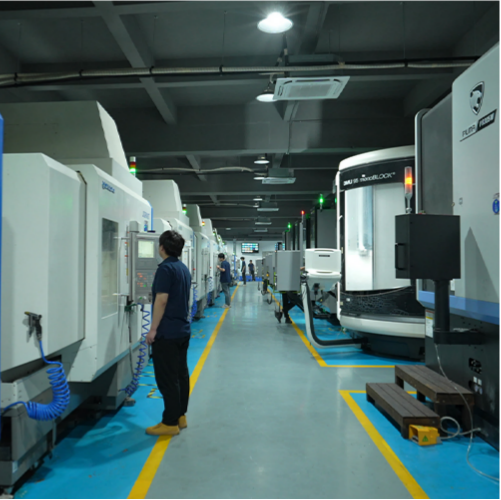
In-process controls detect trends early and protect both cost and delivery commitments.
Final Inspection and Shipment Standards
Every batch goes through final inspection. Only parts meeting agreed standards on dimensions, appearance, finishing and markings are released for packing and shipment.
Final inspection is not a substitute for process control. It is the last safeguard to ensure no obvious defects, missed features or mismatched requirements reach your line, which matters especially for cross-region shipping and long-cycle projects.
For high-precision parts, we use CMMs, height gauges and bore / diameter gauges for confirmation. For parts with surface finishing, we check color consistency, coverage and surface defects. Where needed, we provide concise inspection reports or photos.
If you need each batch to ship with dimensional reports, material certificates or finishing confirmations, we can define this during quotation and ordering and include it in both the quality plan and packing checklist.
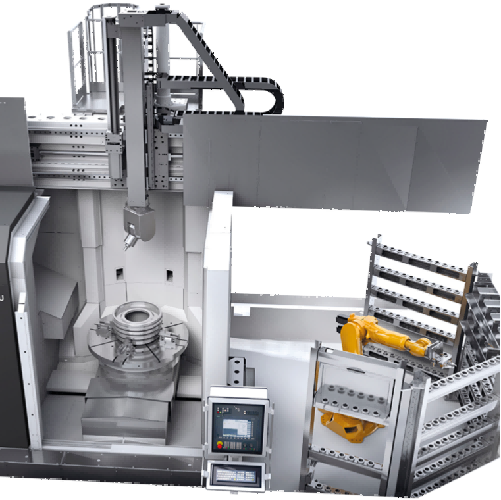
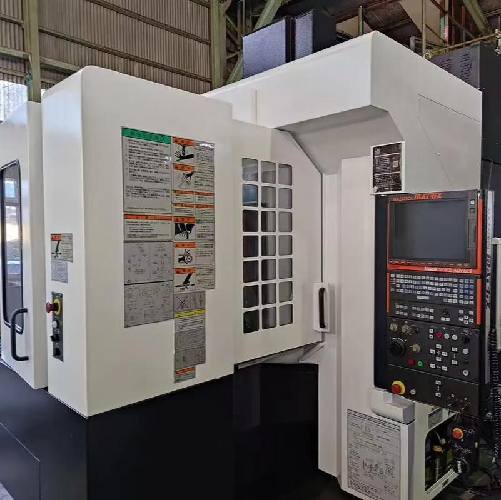
Final inspection forms the last gate before packaging and shipment, aligned with your acceptance criteria.
Traceability and Nonconformance Handling
Each batch has unique production and inspection records so that any issue can be traced back to material, equipment and process data.
This traceability helps identify root causes quickly and prevents similar problems from recurring in later batches or other projects, while giving long-term customers a transparent quality feedback loop.
If interference or tight fits appear in assembly, we can pull the relevant inspection records, equipment status and shift information for that batch and combine them with re-measurement to analyze whether the issue lies in design, tolerance, material or process.
If your project needs defined traceability levels (by batch, by box or by individual part), you can state this when launching the project. We will design practical marking and recording schemes according to the required depth and cost impact.
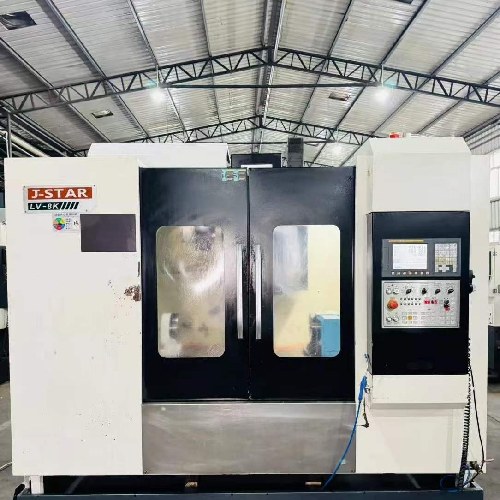
Traceable records support faster root-cause analysis and more effective corrective actions.
Quality Strategies by Order Type and RFQ Stage
We tailor quality control strategies for prototypes, small pilot batches and long-term production instead of using a one-size-fits-all approach.
Prototype stages focus on verifying manufacturability and function. Small batches aim to stabilize process parameters and collect quality data. High-volume supply targets high consistency and high yield at an acceptable cost level, so inspection frequencies and methods differ across stages.
For example, the first 5–10 validation parts can come with more detailed dimensional records and feedback. For monthly replenishment orders, we lean more on in-process control and sampling for efficiency and stability.
We also encourage customers to join early discussions on quality plans through online meetings, drawing reviews, sample acceptance and issue reviews. Clarity around how parts are used, what deviations are acceptable and which features are critical helps align design, machining and assembly.
Typical scenarios include first-time collaborations, module orders with multiple assemblies, appearance-critical brand parts or projects requiring third-party audits. In these cases, project kickoff and periodic review calls add significant value.
At the RFQ stage, clearly stating quality requirements is the fastest way to secure accurate pricing and an executable quality plan. RFQs lacking key information cause extra clarification cycles and inconsistent expectations, while complete RFQs allow engineering and QC to evaluate material, process, inspection methods and lead-time together.
We recommend that RFQs at least include drawing files (STEP, STP, IGS, X_T or PDF), material and heat-treatment requirements, finishing requirements, quantities and batch plan, key dimensions and tolerances, whether inspection reports or material certificates are required and any specific traceability and packaging needs.
If you are not sure what quality clauses to include, you can first submit current drawings and a simple requirement draft. We can propose an RFQ quality checklist tailored to your project.
Let Quality Start from Your First Drawing
High-quality mechanical equipment parts are built from drawing, material, process and control, not just selected at the final inspection step.
When application scenarios, key dimensions, material properties and delivery rhythm are all integrated into one quality logic, it becomes realistic to deliver parts that are consistently fit-to-assemble, traceable and repeatable rather than one-off “lucky samples”.
Whether you are evaluating concepts, finalizing drawings or already in production, if your project involves brackets, housings, flanges, shafts, connectors, guide parts or complex assembly structures, we can help build a matching quality control path based on our experience.
If you want to bring quality risks into a more controlled range early in the project, the most direct way is to upload drawings and quality requirements with your RFQ. We will respond within 24 hours with project-specific quality suggestions, inspection scope and indicative delivery rhythm.
Material Selection Solutions for Machined Mechanical Parts, Automation Modules and Industrial Structural Components
Material choice for brackets, housings, flanges, shafts, connectors and assembly-sensitive parts is not just about picking one metal. It is about a systematic decision around function, load, environment and cost.
We support STEP, STP, IGS, X_T, PDF and DWG drawing formats. Once you upload drawings, we can review the feasibility and cost range of aluminum alloys, stainless steel, titanium and engineering plastics side by side.
Our focus is on material selection and substitution for machined mechanical components in aluminum alloys, stainless steel, titanium alloys and engineering plastics as well as brackets, housings, flanges, shafts and connectors. We combine application scenario, loading and environment with RFQ-stage material advice and cost modelling.
Material is not an isolated decision. It affects tolerances, surface finishing and delivery timing. If you have not yet fully decided on material, you can describe part function, loading, environment and cost targets in your RFQ. We can then propose a suitable material direction and quotation range within 24 hours.
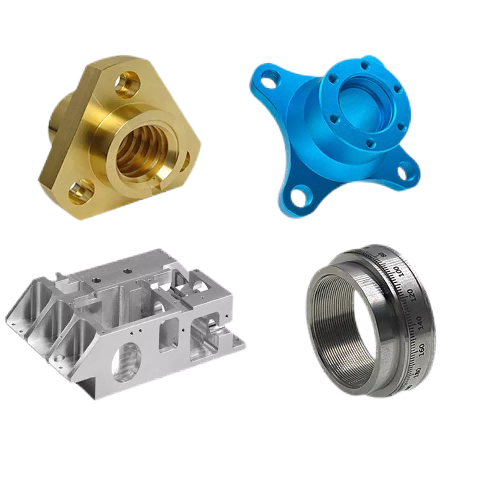
Upload STEP, STP, IGS, X_T, PDF or DWG drawings to compare aluminum, stainless steel, titanium and engineering plastics for your parts.
What Material Problem Does This Page Solve
For mechanical equipment parts, material selection directly affects strength, corrosion resistance, weight, machining efficiency and overall cost.
A material page should not just list material names. It should help you decide which material makes more sense for which application.
For brackets, housings, flanges, shafts, connectors and assembly-sensitive parts, suitable material choices can reduce rework, overdesign and unnecessary manufacturing cost.
If you already have drawings or a clear application scenario, it is helpful to submit part function, loading condition, working environment and surface finishing requirements together with your RFQ so that material suggestions and quotation plans can match your real use case more closely.
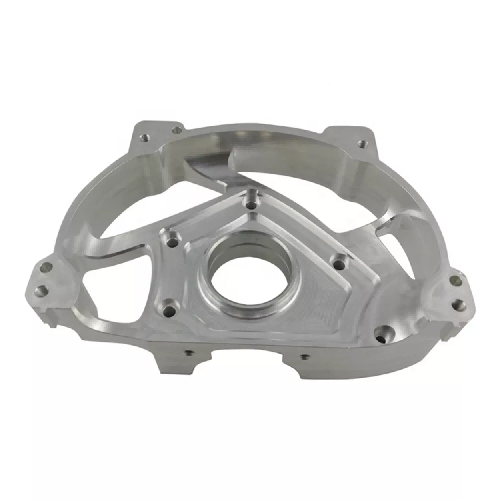
The goal is to connect material decisions to function, load, environment and cost, not just to choose a generic metal grade.
When Material Choice Is Especially Critical
When strength, corrosion resistance and machining efficiency all matter at the same time, material selection needs more attention.
If a part must handle mechanical load while also balancing weight, finishing, corrosion resistance or assembly precision, material should not be chosen simply because it is “common”. It should be evaluated against the real working condition.
For automation equipment, industrial modules, medical devices, semiconductor tools and mechanical transmission components, different materials directly impact machining paths, lead-time planning and batch consistency.
These projects are better served by confirming materials at the RFQ stage rather than changing them during process development or sampling, because late material changes often affect tooling, finishing, structural stability and cost models.
Automation equipment, industrial modules, medical and semiconductor parts often combine strength, corrosion resistance and efficiency requirements.
When Aluminum Alloys Are a Better Fit
If your project prioritizes lightweight design, machining efficiency and overall cost, aluminum alloys are often the most practical option.
For mechanical parts where you need to control weight, shorten machining cycles and maintain cost efficiency, aluminum alloys are widely used and easier to implement in practice. They are common in brackets, housings, mounting plates, frames and automation module structures.
If you need both higher strength and good machining efficiency, it is practical to start with grades such as 6061, 7075 and 2024. If you are not sure which grade fits, you can upload drawings and describe the application environment.
We can suggest suitable aluminum alloy grades based on strength targets, weight goals and budget range and evaluate how each grade affects machining routes and lead-times.
Typical aluminum applications include: brackets, housings, mounting plates, frame components and automation module structures.
Aluminum is widely used for brackets, housings, plates and frames where weight and machining time matter.
When Stainless Steel Is More Appropriate
If parts require stronger corrosion resistance, structural stability and long-term use, stainless steel is usually a better choice than standard aluminum.
For parts working in humid conditions, chemical media, long-term contact environments or applications with higher stability requirements, stainless steel is often more suitable. It is common for flanges, connectors, shafts, equipment structures and high-durability parts.
In general industrial environments, 304 or 316L are often the first grades to review. When wear, hardness or special conditions are also present, drawings, tolerances and heat-treatment / finishing requirements should be reviewed together before finalizing material.
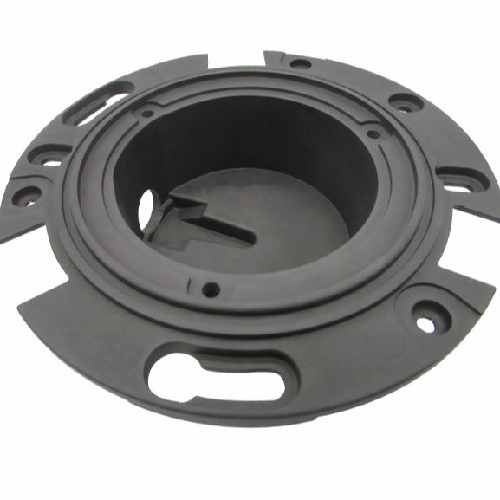
Typical stainless steel applications include: flanges, connectors, shafts, equipment structures and high-durability components.
Stainless steel is chosen when corrosion resistance and long-term stability outweigh pure machining speed.
When Titanium Alloys Are Worth the Investment
When a part needs high strength, low weight and corrosion resistance at the same time, titanium alloys may justify their higher cost.
For parts that cannot be too heavy, cannot compromise strength and still need corrosion resistance or special environmental performance, titanium alloys are often a higher-tier solution.
They are common in high-performance structural parts, medical-related components and core parts of high-end industrial equipment where strength-to-weight ratio is critical.
Material and machining cost for titanium is higher than for aluminum and standard stainless steel, so it is more suitable where performance requirements are clear, budgets allow and part value is relatively high.
If you already have a target grade or application scenario, you can describe it at the RFQ stage so that machining feasibility and cost can be evaluated more accurately.
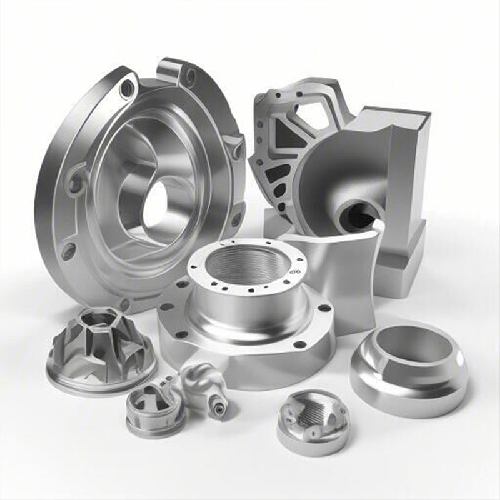
Typical titanium applications include: high-performance structures, medical components, high-end equipment cores and parts combining high strength with low weight.
Titanium is typically reserved for parts where performance gains justify higher material and machining cost.
When Engineering Plastics Can Replace Metal
For insulation, weight reduction, low-load or specific friction behavior, engineering plastics may outperform metals on value.
Not all mechanical parts must be metal. For some low-load structures, insulating parts, guides, buffers or weight-sensitive components, engineering plastics can be a more economical alternative.
They can reduce weight, minimize downstream finishing and improve the behavior of certain interfaces. However, they are not suitable for every load-bearing structure.
In high-temperature, high-impact, high-rigidity or long-term heavy-load conditions, dimensional stability and life must be evaluated carefully. It is helpful to describe the working environment, temperature range and loading condition in your RFQ.
Typical engineering plastic applications include: insulating parts, guides, buffers, low-load structural parts and weight-sensitive components.
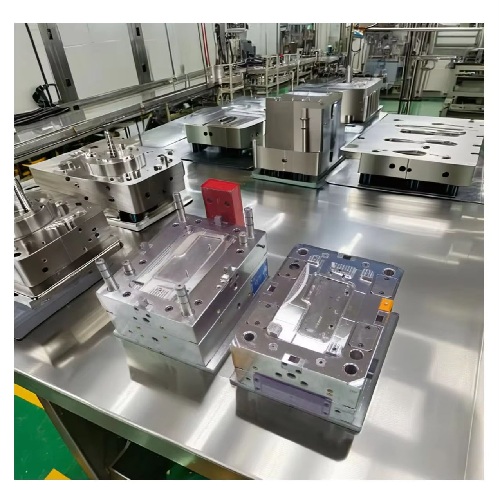
Engineering plastics can be effective where insulation, low load and weight matter more than maximum rigidity.
Material Trade-Off Principles
Material selection should follow the application first, not unit price alone.
In machining projects, the most expensive material is not always best, and the most common is not automatically most suitable. It is more practical to confirm function, load, environment, precision and cost targets first and then work backward to a material scheme.
If the focus is lightweight design and machining efficiency, aluminum alloys are usually considered first. If corrosion resistance and long-term stability are key, stainless steel is the first direction. For high performance, high strength and special environments, titanium alloys are worth evaluating.
For insulation, low weight or low-load scenarios, engineering plastics may be suitable. The final decision should also consider batch size and life requirements.
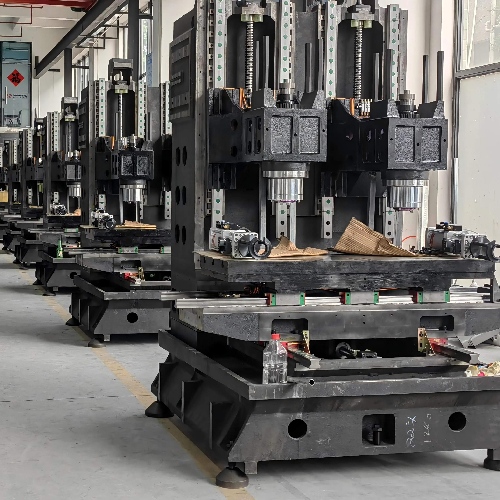
The right material balances performance, cost and life requirements instead of following a price-only rule.
Technical Boundaries: How Materials Affect Tolerance and Lead-Time
Material choice directly influences tolerances, finishing options and delivery schedules.
Many RFQs only state “machine to drawing” without specifying material, which slows early evaluation because material affects machining methods, tool wear, finishing compatibility, dimensional stability and lead-time.
The differences are even more pronounced for high-assembly parts, tight tolerances and complex curved surfaces.
If you already have material preferences, it is best to state them directly in the RFQ. If not, it is still useful to describe usage scenario, key dimensions, tolerance requirements and finishing expectations so engineering review can move faster.
Material, tolerance and process route need to be considered together to set realistic deliveries.
Quality Control and Material Confirmation
High quality delivery should start with material confirmation, not end with final inspection only.
For mechanical parts, quality control should include materials from the beginning, especially for critical structures, assembly-sensitive components and projects with defined strength or corrosion requirements.
In manufacturing, we combine drawing review, material confirmation, first-piece machining, key-dimension checks, in-process sampling and final inspection to control risk.
For critical parts, we can add first article reports, repeated key-dimension checks and batch-consistency checks according to drawing priorities to reduce uncertainty during assembly and use.
Material confirmation is a core part of the quality plan, not an afterthought.
RFQ Preparation Checklist for Material Selection
Submitting the right information at RFQ stage speeds up both material advice and quotation.
If you want to confirm machining materials and pricing faster, it helps to send drawings together with part function, target or alternative materials, quantities, key tolerances, finishing requirements and application environment.
We recommend submitting STEP, STP, IGS, X_T, PDF or DWG files and adding notes on environment, assembly method and critical dimensions.
For projects where material is not yet fixed, you can still start with a directional review by explaining function and project targets, then decide whether aluminum, stainless steel, titanium or engineering plastics are more suitable.
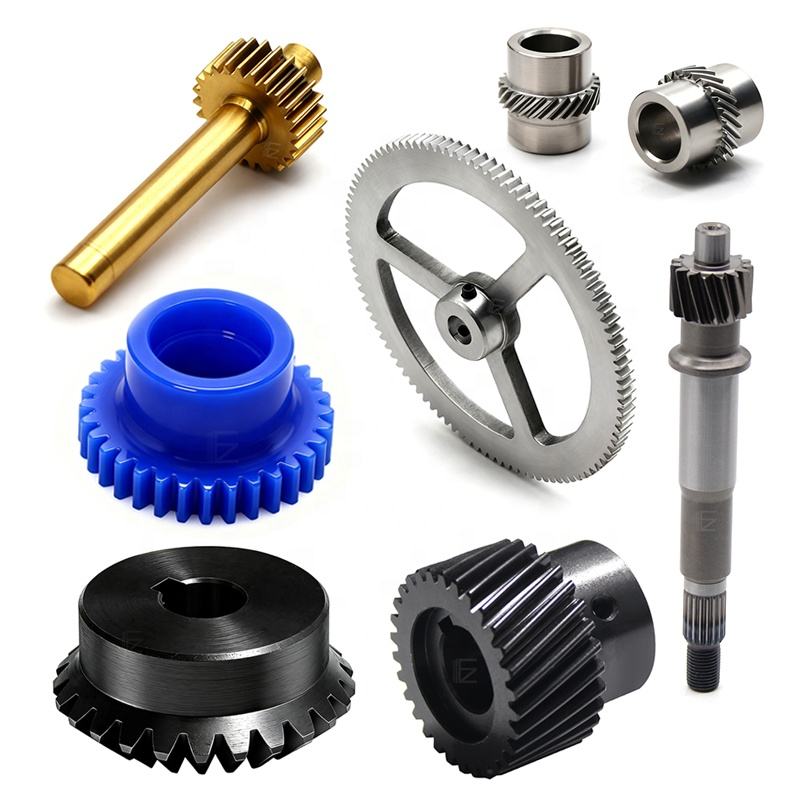
A complete RFQ helps engineering and quality teams evaluate material, process and delivery in one pass.
Material Selection FAQ
What if I am not sure whether to choose aluminum or stainless steel?
Is titanium always better than aluminum?
Can engineering plastics replace metal?
Do I have to finalize the material before requesting a quote?
Upload Drawings to Receive Material Advice That Fits Your Project
If your project involves brackets, housings, flanges, shafts, connectors, assemblies or complex structures, it is practical to send drawings and usage requirements directly.
We can propose material directions and machining quotations based on part function, strength requirements, corrosion targets, tolerance levels and cost range.
You can either upload drawings for a complete proposal or briefly describe project background over WhatsApp first. Our engineers respond as quickly as possible during working hours.
The most direct way to narrow material risk is to upload drawings and quality targets at the RFQ stage.