Home

Long-term CNC supply starts with controlled part identification.

A successful first order is an important starting point, but it does not by itself establish a reliable basis for repeat production or long-term supply. The next order is often where long-term sourcing risk begins—when an outdated drawing, the wrong revision, or an unidentified spare part is treated as the approved production version. For flanges, brackets, housings, shafts, machined plates, tooling components, and other made-to-print machinery parts, repeat production depends on controlled part identification—not on a similar part name, an old drawing, or an unverified historical reference. For repeat production, replacement parts, and multi-year machinery programs, send the customer part number and drawing revision when available. If documentation is incomplete, you can also begin with photographs, samples, historical order references, available dimensions, or old drawing numbers.

【What creates purchasing risk after the first delivery?】

The first order may solve an immediate production or maintenance need. Long-term supply requires a controlled reference for the next order: the customer part number, current drawing revision, applicable first-order approval record, and a practical method of identifying the part when it is reordered. Completing an initial purchase of a flange, bracket, housing, or shaft does not automatically establish the technical and identification controls needed for long-term supply. Without these references, a later order may be placed against an obsolete drawing, a similar but non-equivalent part name, or an old spare part with no verifiable production history. This can result in incorrect machining, rework, delayed maintenance, or disruption to equipment assembly.

【What should be clarified when the first order begins?】

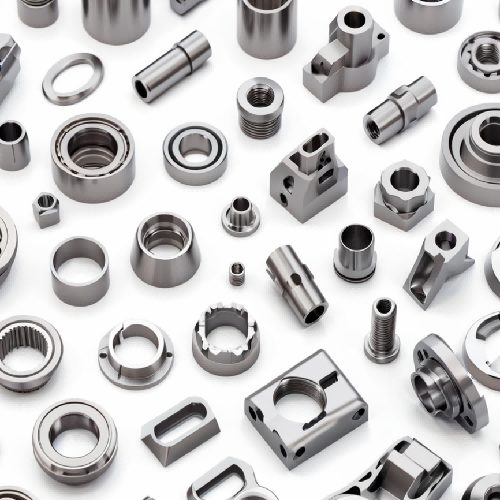
We support repeat production of made-to-print machinery components, including flanges, brackets, shafts, housings, fixtures, tooling parts, and custom assembly components. If the first order may develop into prototype validation, pilot batches, recurring production, spare-parts replenishment, or a multi-year equipment program, share that expected path at the beginning of the project. The first order resolves the immediate requirement; future orders depend on whether the part number, drawing revision, first-order approval information, expected quantity range, and likely ordering pattern are retained. This does not commit either party to fixed pricing, fixed capacity, or fixed delivery dates. It creates a clearer basis for future RFQs, repeat-order review, and ongoing supply communication.

【How can you start an RFQ for CNC parts identified by part number?】

Procurement teams that need to order CNC parts by customer part number can begin with STEP, IGS, PDF, or DWG files, together with the available customer part number, drawing revision, initial quantity, project stage, and expected repeat-order or maintenance plan. We review the request in a practical sequence: available drawings and technical feasibility → customer part-number and revision confirmation → quotation and production-route review → initial-order or first-article approval → controlled information for repeat production and future supply. Establishing this basis early helps reduce the risk of repeat orders based on outdated drawings, incorrect revisions, rework, and production-line downtime.
Video Overview

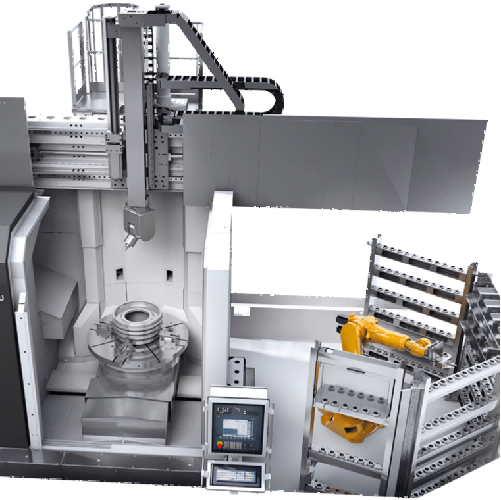
Factory environment and general part manufacturing workflow

Shows the workshop, CNC machines in operation, typical part processing, and selected inspection steps.

Useful for reviewing production capability, process stability, and the basic setup for ongoing precision part programs.

Factory Floor CNC Workflow Machine Operation Inspection

From CNC samples and pilot batches to recurring production and ongoing supply.

For system integrators and equipment manufacturers, samples, pilot batches, recurring production, repeat orders, and spare-parts replenishment are connected stages of the same supply program. Share your expected release schedule and project stages early so the first order can support future purchasing rather than stand alone. Long-term supply is not simply quoting the same drawing again. It requires each stage to build on information confirmed previously: sample approval, small-batch validation, recurring production, quarterly repeat orders, annual demand, spare-parts replenishment, and multi-year projects.

What should be confirmed for samples, small batches, and recurring production?

At the sample stage, first confirm whether the part meets the current drawing and project requirements. At the small-batch stage, the focus expands to repeatability and whether the approved part can support the required purchasing rhythm. Once the part number, drawing revision, quantity range, and project requirements are sufficiently defined, the program can move into recurring production, scheduled replenishment, or annual purchasing arrangements.

What if you expect quarterly purchasing, complete-equipment supply, or use across multiple projects?

We support made-to-print CNC machining from initial samples through repeat production and ongoing supply, including flanges, brackets, shafts, housing components, end caps, machined plates, tooling components, fixtures, and other machinery parts. Equipment manufacturers can submit first-order approval information and projected follow-on quantities for quotation. System integrators managing scheduled batch purchases of machinery components should share anticipated volumes and purchasing milestones during the first-order review when quarterly purchasing, recurring equipment builds, or use across multiple projects is expected. This allows later orders to continue from an established technical and purchasing basis instead of requiring the entire project to be reconstructed from the beginning each time.

How can maintenance replacements or equipment spare-part projects begin?
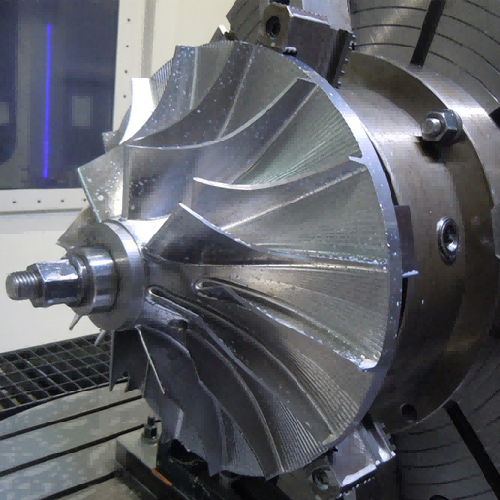
Maintenance replacement and equipment spare-part projects can begin with the available information for the current part. If future replenishment is expected, also describe the method used to identify the existing part, the replacement background, and any known historical order information.

Repeat CNC parts depend on part-number and drawing-revision control.

The customer part number and drawing revision are the preferred starting point for repeat-production quotations. If they are unavailable, send the best available references—such as a physical sample, photographs, historical drawing numbers, previous order information, or key dimensions—so we can establish an initial identification basis. Long-term supply depends on reliable part identification, not on remembering a part name. Flanges, housings, brackets, machined plates, shafts, end caps, tooling and fixtures, and custom assembly components may all become repeat-purchase items throughout an equipment program. The same part name does not ensure that a later order should be manufactured under the same conditions.

Why does the same part name not ensure the same manufacturing conditions for later orders?

A part name alone cannot confirm which drawing revision, material requirement, tolerance requirement, approved sample, or historical production condition should apply to the next order. Drawing updates, material changes, alternative parts, frozen historical revisions, and different first-order approval methods can all affect subsequent purchasing. Before releasing a repeat order for production, we review the available customer part number, drawing revision, first-order approval record, and relevant historical order information. If you provide only an old drawing or a familiar part name, we cannot reliably determine whether the request is a repeat order for an approved revision, a replacement part for installed equipment, or a new project with changed requirements.

How can trading companies and project buyers confirm the basis for repeat orders?

We review part numbers, drawing revisions, and available historical references before accepting repeat-production requirements. Trading companies and project buyers can send customer part numbers, historical drawing numbers, known revision status, first-order information, and expected reorder frequency to establish the basis for future purchases. Customers who need to source CNC parts for repeat production can begin with a representative group of flanges, housings, brackets, shafts, end caps, or structural components. You do not need to organise every historical record at once, but you should clarify whether the current requirement is for a sample, an initial small batch, recurring production, a replacement part, spare-parts replenishment, or a multi-year supply program.

How can an identification basis be established when equipment spare parts do not have complete new drawings?
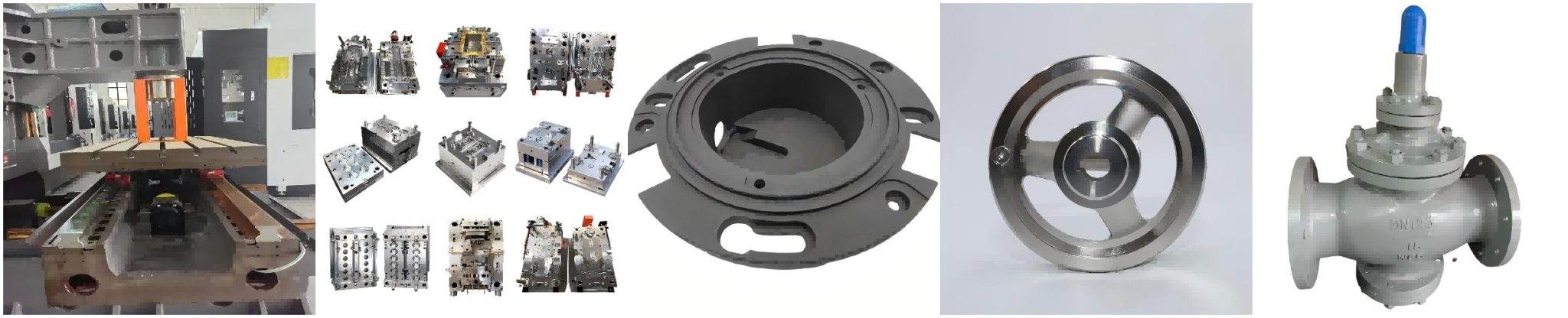
When sourcing replacement or spare parts without complete current drawings, you can start with photographs of the existing part, available part numbers, historical drawing references, sample dimensions, previous purchase records, or a physical sample. We use the available information to establish an initial identification basis before finalising quotation and production planning.

Plan long-term CNC supply around demand, delivery, and identification requirements.

For multi-year supply and repeat-purchase programs, annual demand, order frequency, delivery milestones, and packaging identification are as important as the drawing itself. A part can be technically correct but still create purchasing risk if the same part number is interpreted differently across different times, projects, or spare-part requirements.

How do initial quantities, follow-on volumes, order frequency, annual demand, and packaging labels affect future orders?

Initial quantities, follow-on batch volumes, repeat-order frequency, annual demand, project milestones, and existing packaging and label requirements affect how future orders should be managed. If you are looking for a long-term CNC parts supplier and expect quarterly purchasing, annual demand, use across multiple projects, or recurring maintenance replenishment, describe these requirements during the first project review. We use the current order as the starting point for determining which technical and purchasing information should be retained for future communication and RFQ review. Planning note: Early demand and release information helps us prepare more consistent RFQ reviews and supply communication. Final pricing, capacity allocation, and delivery commitments remain subject to the confirmed order scope, drawing status, material availability, and production schedule.

What should be provided for a multi-year machinery-parts supply project?

We support repeat orders for flanges, brackets, shafts, and other made-to-print machinery parts when part identification and the technical basis are clear. You can submit annual quantities, repeat-order cycles, expected spare-parts demand, and any packaging, labelling, or shipment-identification requirements for long-term supply review. For multi-year machinery-parts supply projects, also indicate whether drawings may be updated, whether alternative materials are under consideration, which revisions need to remain frozen, and whether existing packaging, labels, or shipment-identification methods must continue. This gives future orders a more consistent technical and purchasing reference, reducing errors caused by outdated drawings, incorrect revisions, incomplete spare-parts references, or inconsistent packaging identification.

How can the connection between initial orders, small batches, repeat orders, and replenishment be confirmed?
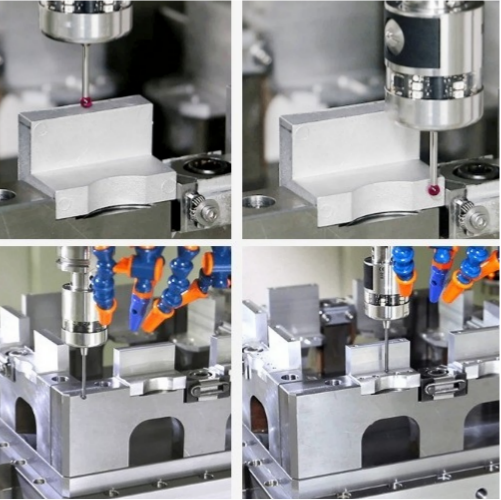
We organise supply reviews for repeat-purchase projects. You can submit the project production schedule, expected delivery milestones, and repeat-order plan so we can review how initial orders, small batches, recurring production, and replenishment should connect as the program develops.

Start your long-term CNC RFQ with the information you already have.

If you expect a current requirement to develop into repeat production, spare-parts replenishment, or a multi-year supply program, send the information already available. We can review the immediate requirement first and build the relevant long-term supply record as the project develops. Equipment manufacturers, system integrators, component trading companies, and industrial equipment users that need to start an RFQ for long-term CNC parts supply can begin with current drawings, part numbers, available approval information, existing samples, historical records, or known project requirements.

Build a long-term project record from the first sample before starting the formal CNC RFQ.

If you plan to convert the first order into repeat production, replenishment, or multi-year purchasing, organise the long-term project record as information becomes available. Priority information includes: Part-number and revision rules: current drawing number, customer part number, drawing revision, and any expected future updates or revision-freeze requirements. First-order or historical-order reference: first-article or initial-order approval records, previous order numbers, historical drawing references, photographs, samples, or available purchasing records. Expected demand: initial quantity, follow-on batch volumes, quarterly or annual demand, expected reorder frequency, and expected use across multiple projects. Replacement or spare-parts context: whether the requirement relates to a new project, installed-equipment maintenance, replacement of an old part, spare-parts replenishment, or continuing production. Packaging and identification: packaging, labels, shipment-identification methods, warehousing identification, project separation, or internal management requirements that must continue in later deliveries. Schedule and delivery milestones: purchasing schedule, key project milestones, split-delivery requirements, and target delivery dates.

How can information be supplemented in stages for recurring CNC part production?

LANCIE supports long-term CNC machining programs that require controlled part identification, repeat-order review, and ongoing technical communication. Procurement teams can begin the formal CNC RFQ with customer part numbers, first-order approval information, repeat-order timing, and spare-part background. Customers who need to source CNC parts for recurring production can first provide the initial drawings, available material requirements, current quantities, and target delivery dates. Annual demand, follow-on volumes, reorder frequency, packaging identification, and historical order information can be added in stages. We review the conditions for continuing supply based on the information available, rather than treating the requirement as a one-time sample quotation only.

How are submitted documents used, and how can NDA requirements be addressed?
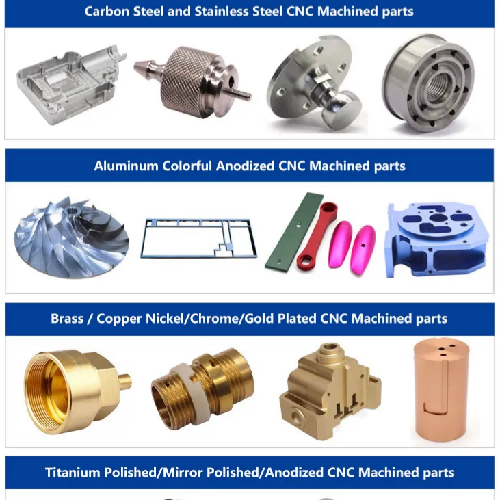
The customer part numbers, drawing revisions, historical orders, samples, spare-part background, and packaging information you provide are used only for manufacturing feasibility, quotation, and production review for long-term supply. If an NDA is required before detailed technical communication, you may state this in the formal CNC RFQ.
Upload CAD Files

Upload Drawings for Quote

Our engineering team reviews material, precision, tolerance, surface finishing, and volume requirements to prepare a reliable quotation and practical DFM suggestions.

Upload Drawings for Quote

STEP / STP / IGES / IGS / XT / DWG / DXF / PDF / JPG / PNG supported

Real Factory, Real Production Environment

Buyers want more than claims. Real factory photos help show that our CNC machining and custom mechanical parts services are supported by an actual production base, an organized workshop environment, and stable manufacturing conditions.

Entrance of the real factory facility supporting custom CNC machining production.

Real Factory Entrance

A visible factory entrance helps buyers confirm that production capability is backed by a real operating facility rather than only online claims.

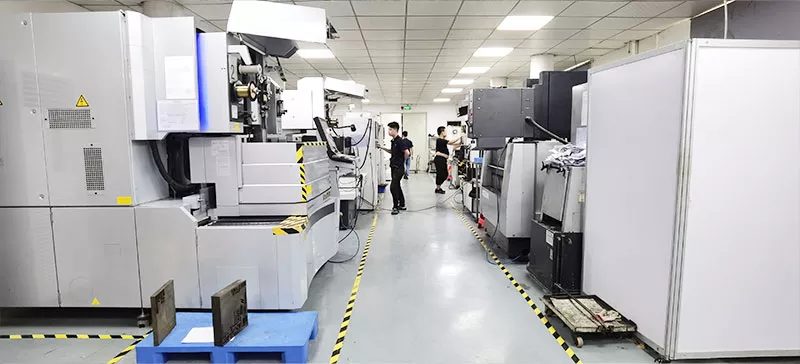
Production workshop environment for custom CNC machining and mechanical parts manufacturing.

Production Workshop Overview

This workshop image gives visitors a clearer view of the actual production environment behind custom machined parts and long-term industrial supply.

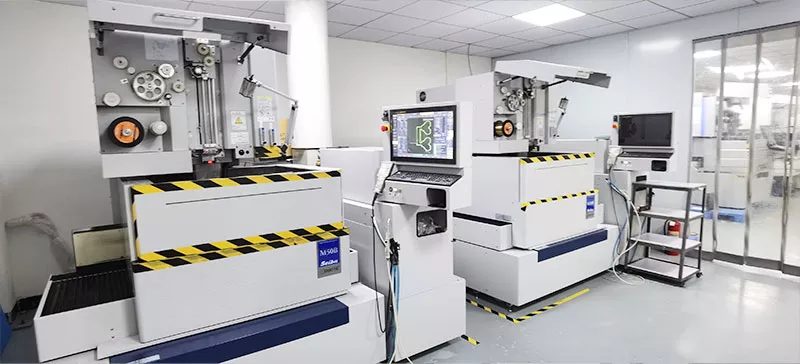
Factory production scene supporting stable CNC machining and mechanical parts supply.

Factory Capacity Support

A real production scene helps strengthen trust in workshop organization, equipment support, and the ability to handle repeat machining orders with consistency.

18 language sites
English EN
Español ES
Français FR
Português PT
Русский RU
العربية AR
한국어 KO
日本語 JA
हिन्दी HI
Tiếng Việt VI
Deutsch DE
Türkçe TR
Italiano IT
Indonesia ID
ภาษาไทย TH
Polski PL
中文 ZH
فارسی FA