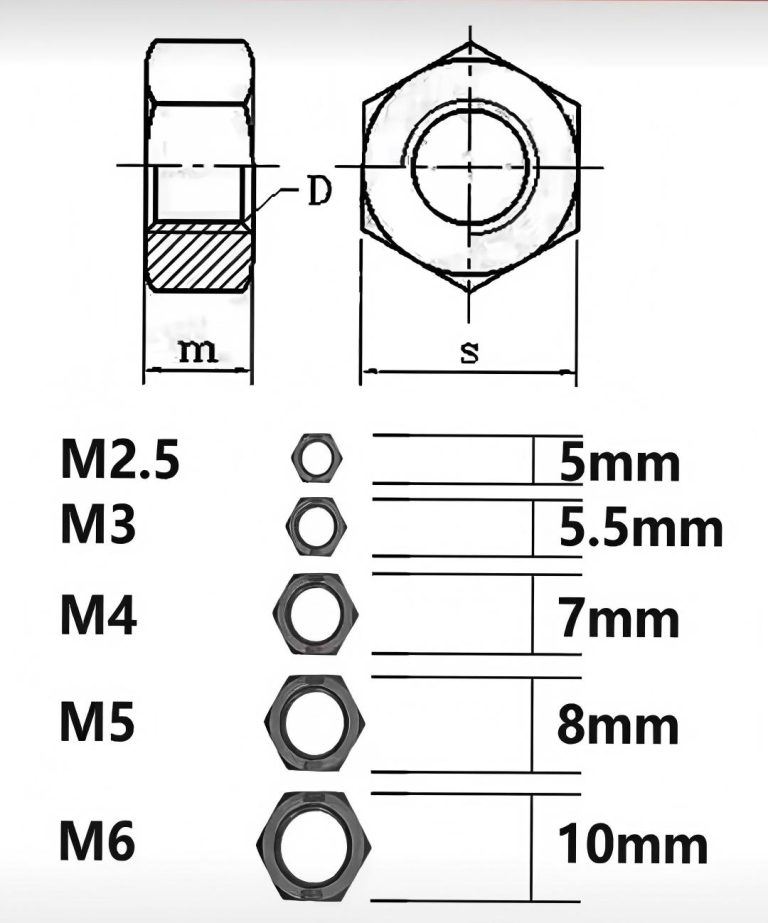
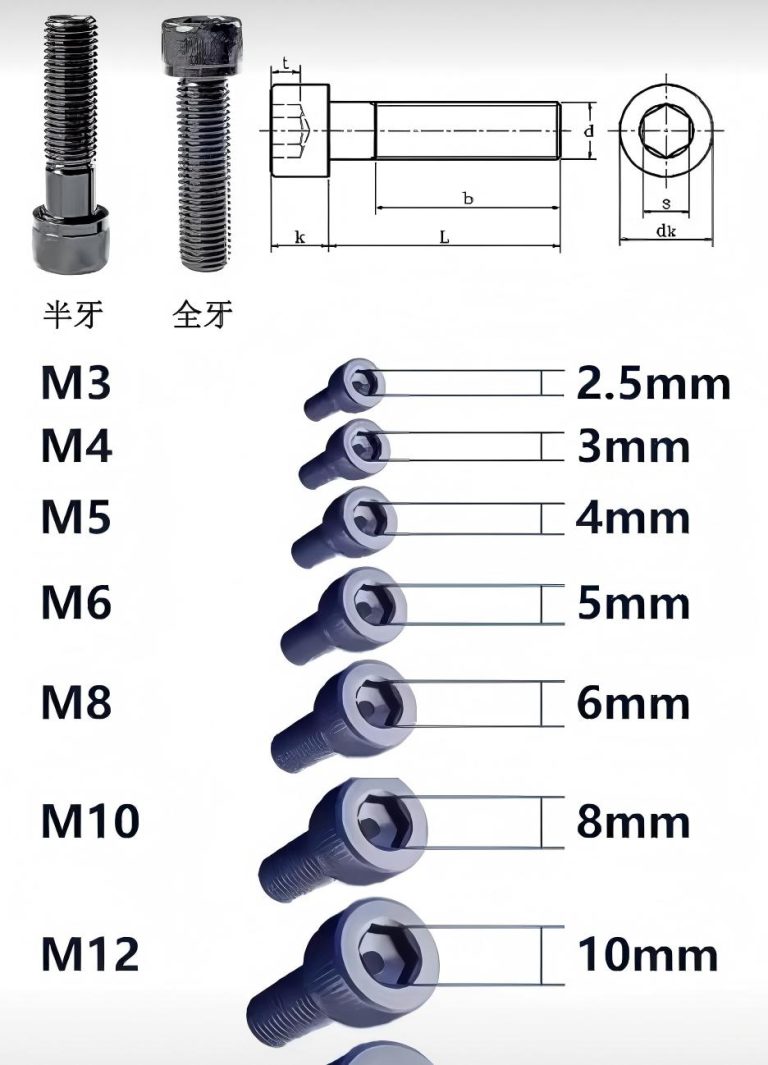
.
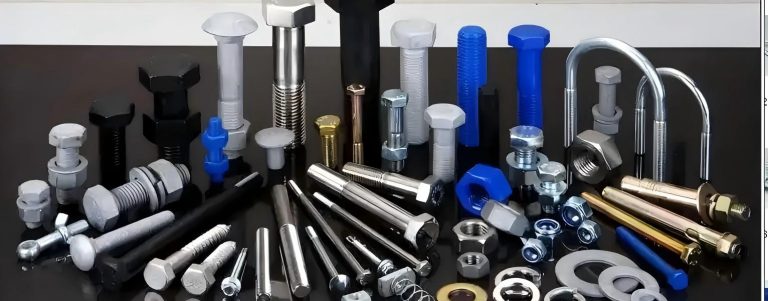
China-Based Factory Manufacturing and Supplying Custom Non-Standard Fasteners, Including Shoulder Bolts Made to Drawing.
We Wholesale Custom Connection Components, Including Step Bolts Made to Drawing.
Connection positions in automation equipment, fixtures, jigs, molds, tooling, conveyor equipment, and special-purpose machinery often cannot be resolved by a standard bolt specification. Special mounting dimensions, head configurations, thread forms, shoulders, support structures, and equipment-specific interfaces often require a non-standard connection component designed around the actual structure. For safety-critical, load-bearing, rotating, high-vibration, high-temperature, corrosive, or otherwise demanding applications, final part design, functional suitability, applicable standards, and assembly responsibility remain subject to customer-approved drawings, technical requirements, and project conditions.Why should connection components be designed around function when standard fasteners cannot resolve the interface requirements?
Connection positions in automation equipment, fixtures, jigs, molds, tooling, conveyor equipment, and special-purpose machinery often cannot be resolved by a standard bolt specification. Special mounting dimensions, head configurations, thread forms, shoulders, steps, irregular profiles, locating relationships, rotational fits, support structures, and equipment-specific interfaces often require a non-standard connection component designed around the actual structure.
For fixture, jig, and tooling manufacturers and other industrial buyers, LANCIE manufactures and supplies custom non-standard fasteners and mechanical connection components made to drawing.
Case Study: A Georgian fixture manufacturer required a shoulder bolt with controlled locating dimensions
Case Study 1: A Georgian fixture manufacturer found that a standard bolt could not meet shoulder-location requirements, causing looseness after assembly. After the required shoulder diameter, shoulder length, and fit tolerance were confirmed against the submitted assembly information, the custom shoulder-bolt configuration entered production review. A repeat order for 300 parts followed.
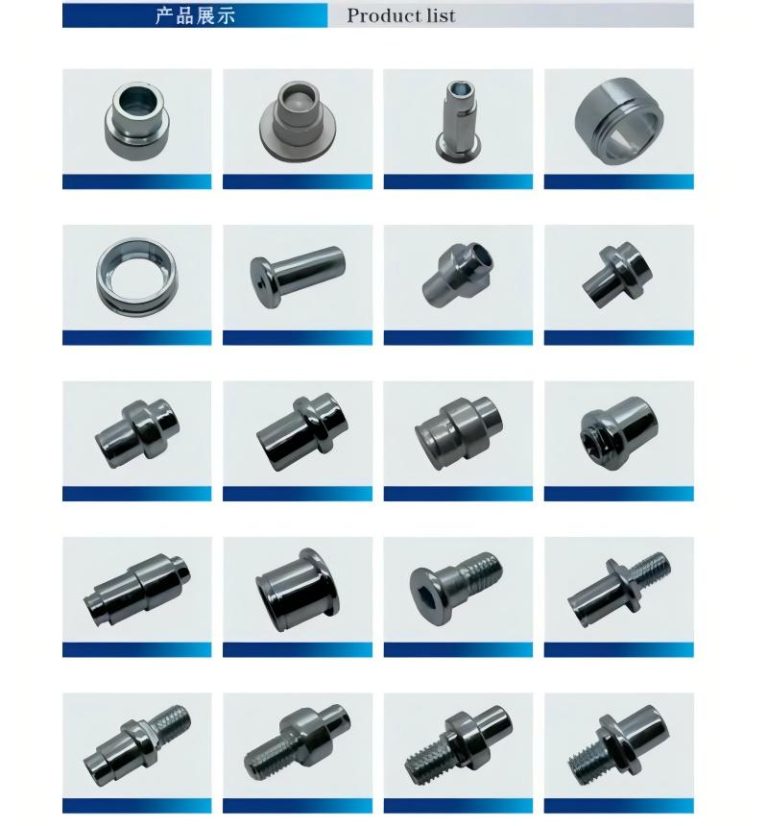
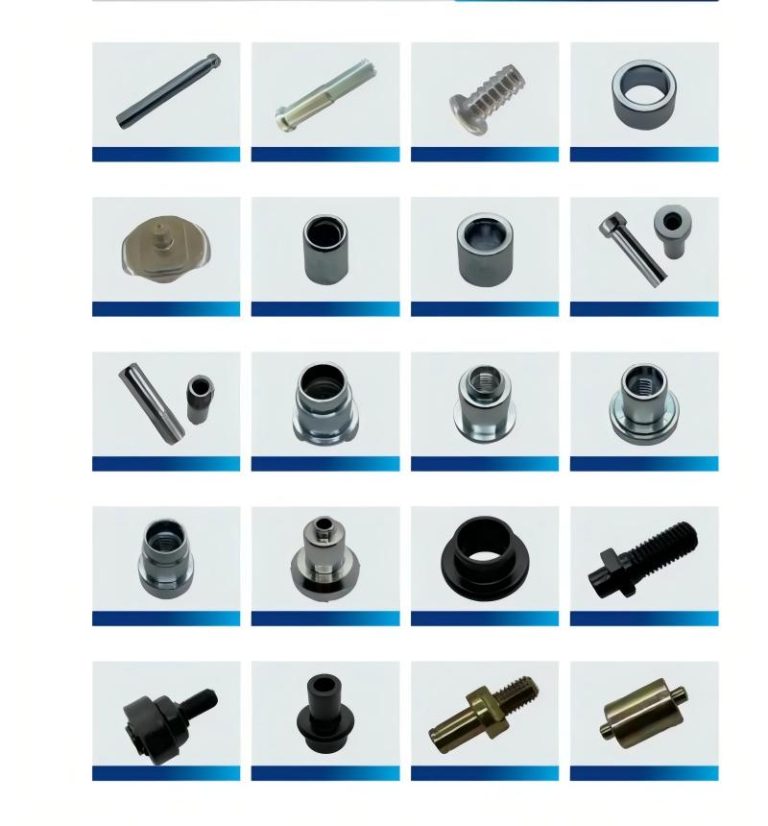
We Manufacture and Supply Special Nuts, Studs, and Threaded Sleeves.
Supply Equipment-Specific Connection Components, Including Locating Pins.
Customers may need a shouldered locating bolt, a connection stud with different threads at each end, an adapter sleeve with internal and external threads, a screw with a special length or head configuration, or a set of specialized mechanical connection components for equipment modules, fixtures, jigs, molds, mounting structures, and maintenance replacements.What equipment-specific connection components can be manufactured to drawing?
Equipment-specific connection components made to drawing may include custom bolts, special screws, shoulder bolts, and step bolts; custom nuts, special studs, double-end studs with different thread forms or thread lengths at each end; threaded shafts, threaded sleeves, threaded bushings, and adapter sleeves; locating pins, connection pins, pin shafts, cotter pins, grooved pins, spacers, standoffs, fixture fasteners, jig connection components, mold connection components, equipment-specific connection components, and related mechanical parts made to drawing.
What are special nuts and double-end studs with different threads at each end used for?
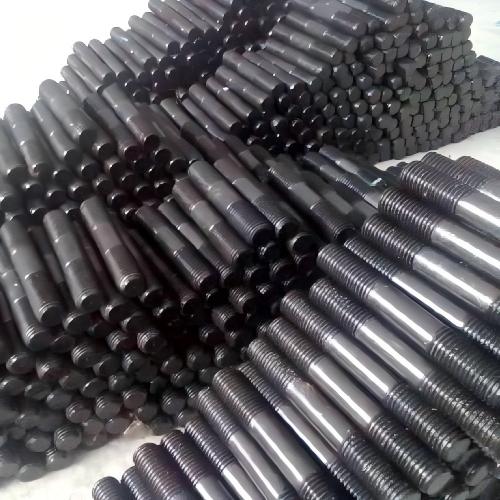
Special nuts can accommodate non-standard wrench sizes, thicknesses, flanges, blind holes, special threads, or restricted installation space. Double-end studs with different thread forms or thread lengths at each end can be used for flange connections, equipment connections, or special-component fastening.
A shoulder-bolt manufacturer can organize project review around shoulder diameter, shoulder length, thread size, overall length, and fit tolerance. A step-bolt made-to-drawing project should explain whether the step feature serves positioning, rotation, support, guidance, or another functional fit.
Case Study: An Armenian mold manufacturer required a double-end stud with different threads at each end
Case Study 2: An Armenian mold manufacturer required a double-end stud with different threads at each end, which standard items could not match. After the two thread ends, unthreaded center section, and overall length were confirmed against the submitted assembly information, the requested configuration entered production review. A repeat order for 200 parts followed.
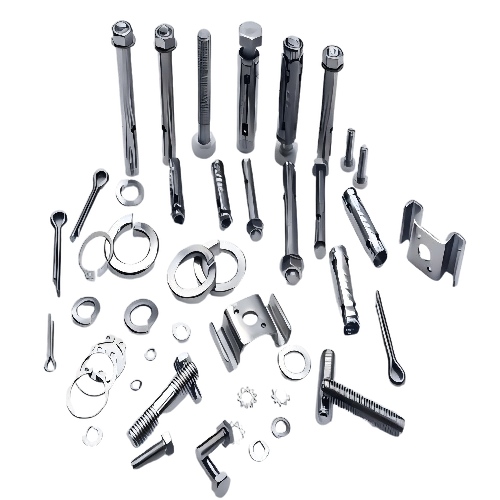
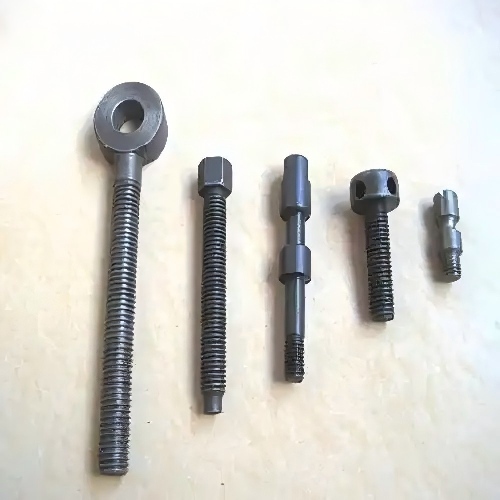
Manufacture Custom Bolts to Drawing and Supply Special Screws.
We Wholesale Non-Standard Mechanical Connection Components Manufactured from 2D and 3D Drawings.
Non-standard fasteners made to drawing can begin with any available information, including 2D drawings, 3D models, sample information, product photos, critical dimensions, installation location, material, threads, strength, hardness, heat treatment, critical tolerances, mating relationships, surface treatment, quantity, service conditions, inspection requirements, and documentation requirements.What information is required to manufacture non-standard fasteners to drawing?
Non-standard fasteners made to drawing can begin with any available information, including 2D drawings, 3D models, sample information, product photos, critical dimensions, installation location, material, threads, strength, hardness, heat treatment, critical tolerances, mating relationships, surface treatment, quantity, service conditions, inspection requirements, and documentation requirements.
2D drawings may be provided in PDF, DWG, DXF, or customer-specified drawing formats. 3D models may be provided in STEP, STP, IGES, IGS, X_T, SLDPRT, or other available formats.
Where only a sample or site photographs are available, photographs from multiple angles, dimensions, weight, installation location, mating components, and a description of the current problem can help establish an initial review direction. Where drawings are incomplete, also explain where the part is installed, which components it mates with, and whether it must provide positioning, rotation, support, guidance, or fastening.
What formats can be used for 2D drawings and 3D models?
2D drawings may be provided in PDF, DWG, DXF, or customer-specified drawing formats. 3D models may be provided in STEP, STP, IGES, IGS, X_T, SLDPRT, or other available formats.
How can a project review begin when only samples or site photographs are available?
Where only samples or site photographs are available, photographs from multiple angles, dimensions, weight, installation location, mating components, and a description of the current problem can help establish an initial review direction. Where drawings are incomplete, also explain where the part is installed, which components it mates with, and whether it must provide positioning, rotation, support, guidance, or fastening.
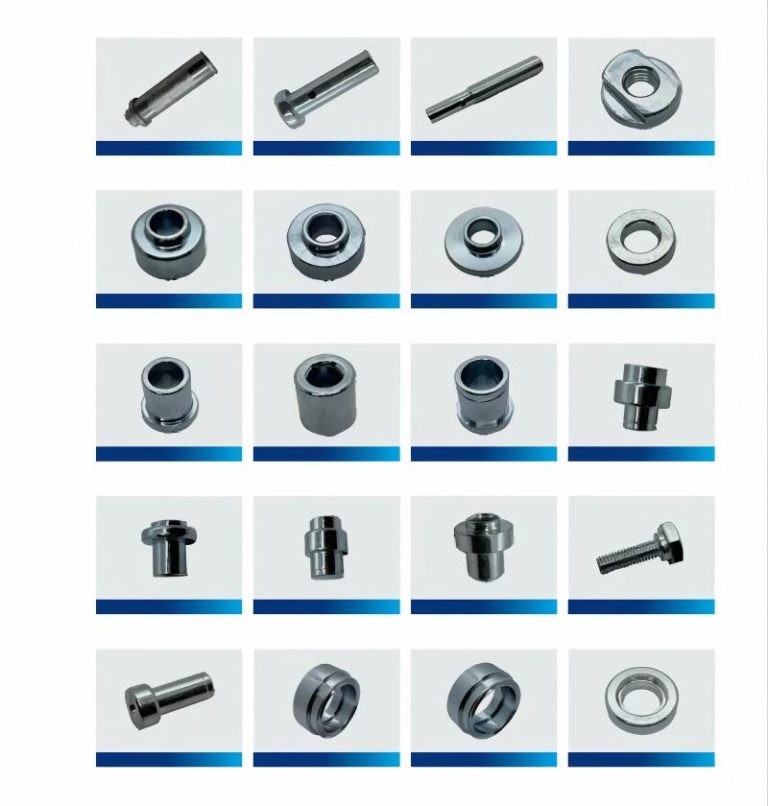
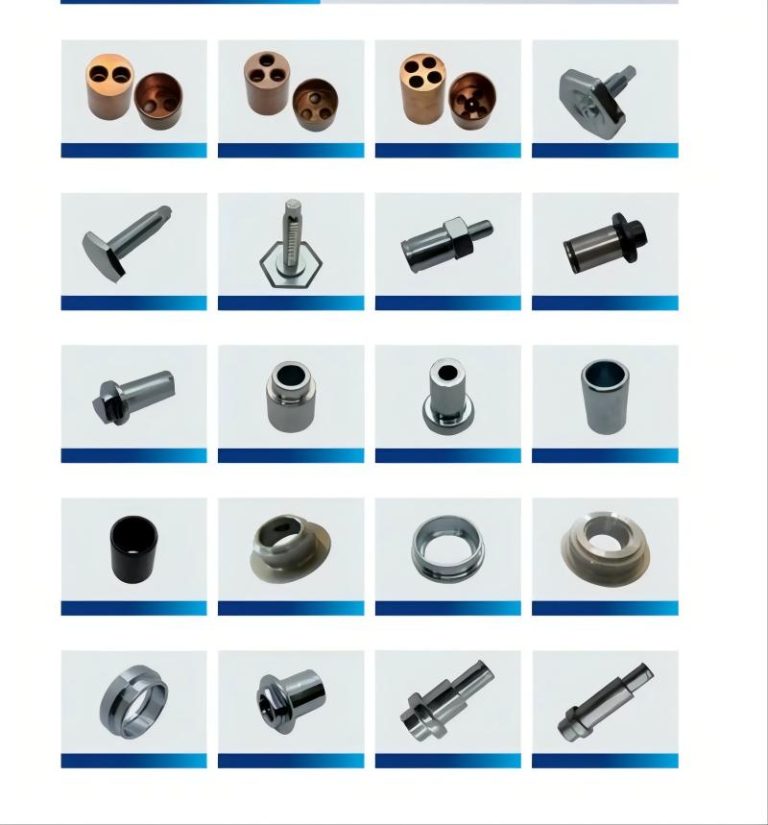
We Wholesale Equipment-Specific Connection Components and Fixture, Jig, and Mold Parts in Volume.
Global Supply of Related Mechanical Parts Made to an Assembly Drawing Package.
Non-standard connection components are often assembled with shafts, threaded shafts, flanges, connection discs, brackets, mounting plates, housings, covers, bases, sleeves, bushings, spacers, locating components, fixture and jig parts, and equipment-specific structural components for automation equipment.Why should related parts be reviewed around the same equipment project?
Non-standard connection components are often assembled with shafts, threaded shafts, flanges, connection discs, brackets, mounting plates, housings, covers, bases, sleeves, bushings, spacers, locating components, fixture and jig parts, and equipment-specific structural components for automation equipment. When these parts are considered separately, threads, fit dimensions, materials, surface requirements, installation locations, and functional interfaces must be explained repeatedly.
The same equipment’s assembly drawings, drawing package, BOM, or related-parts information can be used as project background for initial review of the interface relationships between connection components and adjacent parts.
Standard fasteners, non-standard connection components, and related mechanical parts made to drawing can be reviewed around the same equipment project.
The specific manufacturing process, material availability, machining route, quality documentation, tolerance capability, and inspection scope for related drawing-based CNC parts are confirmed separately through the relevant CNC capability page or project technical review.
Supply Non-Standard Connection Components for Global Customers.
We Wholesale Custom Fasteners Made to Drawing.
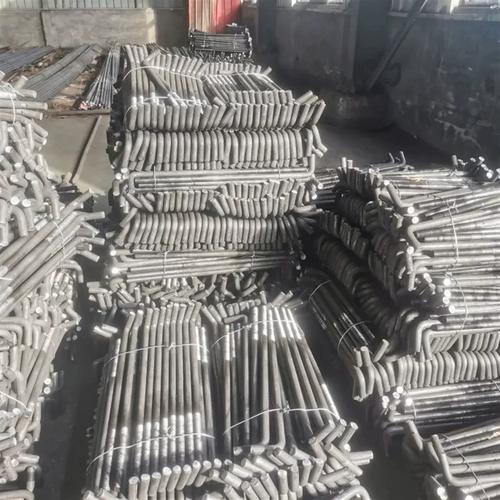
Equipment-specific connection-component purchasing can cover custom bolts, special screws, shoulder bolts, step bolts, special nuts, special studs, threaded shafts, threaded sleeves, threaded bushings, locating pins, spacers, standoffs, fixture connection components, jig and mold connection components, and related mechanical parts made to drawing.How can information be supplied together for sample development, discontinued-part review, and long-term repeat purchasing?
For sample development, small-batch validation, equipment upgrades, replacement parts, discontinued-part review, long-term repeat purchasing, or multi-part purchasing projects, you may submit a BOM, assembly drawing, or complete drawing package together with assembly relationships, part functions, adjacent-part interfaces, and critical dimensions wherever possible. Drawings, 3D models, samples, BOMs, and project information are used only for quotation and production review. If an NDA is required before detailed technical communication, please state this in the formal RFQ.
Submit drawings, 3D models, samples, customer part numbers, BOMs, or assembly information through the RFQ form or by email. Include the component function,
installation location, mating relationship, material, thread requirements, critical dimensions, tolerances, quantity, inspection requirements, packing requirements, destination, and delivery conditions where available.
After reviewing the submitted information, we will confirm the scope of the non-standard connection-component review, identify any missing requirements that affect feasibility or quotation, and advise the expected response timing. If an NDA is required before detailed technical communication, please state this in the formal RFQ.
Confirm the function, critical fit dimensions, and mating relationships before starting the RFQ. This helps reduce installation failure, repeated trial production, and avoidable project delays.
Case Study: A Belarusian equipment manufacturer needed to replicate a discontinued part
Case Study 3: A Belarusian equipment manufacturer needed to replicate a discontinued part, with only an old sample and site photographs available. After the installation location, mating components, and critical dimensions were added, the replicated configuration entered production review. A repeat order for 150 parts followed.
RFQ and Manufacturing Resources
Prepare Your Mechanical Parts Manufacturing Project
Upload your 2D drawings, 3D CAD models, part numbers, material requirements, quantities, tolerance requirements, surface finish specifications and assembly information so our engineering team can review your manufacturing request.
View Contact Details and Speak With Our Industrial Team
Related Manufacturing and Supply Pages
- CNC Machining Capacity for Long-Term Supply
- Manufacturing Capabilities for Industrial Mechanical Parts
- 3-Axis CNC Machining for Mechanical Parts
- Stable Batch Supply With 3-Axis CNC Machining
- 5-Axis CNC Machining for Complex Mechanical Parts
- Outsourcing Critical 5-Axis CNC Machined Parts
- Foundry-Based Mechanical Components for Production Programs
- Casting Applications and Drawing-Based RFQs
- Materials for CNC Machining
- CNC Quality Control and Inspection Capabilities
- Industrial Fasteners for Global Supply
- Bulk Supply of Industrial Bolts, Nuts and Washers
- Stainless Steel Fastener Supply
- Threaded Rods, Double-End Studs and U-Bolts
- Contact Our Industrial Manufacturing Team