-1-1-2-126x39.png)
From sample validation to stable batch supply, place structural parts with a team that understands process windows and batch consistency
We support automation equipment components, tooling and fixture parts, and high-precision structural components with process cards, program version control, and tool-set management under an ISO 9001 quality system.[web:72]
View complete batch machining overview
We focus on 3-axis CNC machining and 5-axis CNC machining for automation equipment, fixtures, and precision mechanical structures, helping engineering and purchasing teams find a more predictable balance between lead time, cost, and batch-to-batch consistency through documented process control.[web:53][web:72]
Upload one or two representative drawings and we can review manufacturability, batch process planning, and delivery feasibility within 24 hours instead of replying with only a unit price.[web:60]
3-axis CNC batch machining for long-term supply of core structural parts
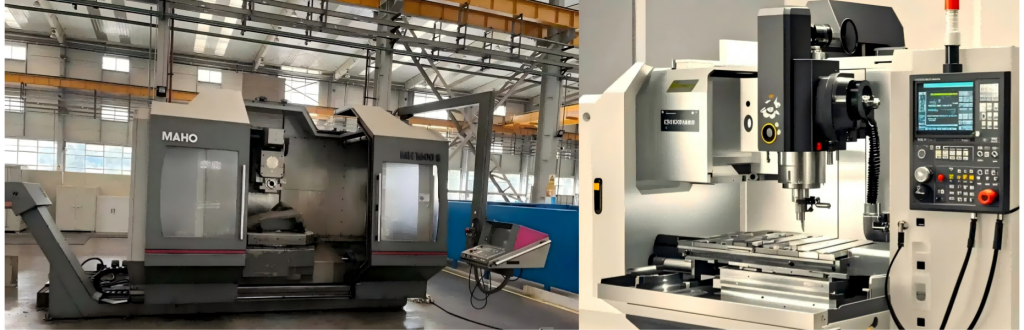
We treat 3-axis CNC machining centers as infrastructure for stable batch supply, not as occasional general-purpose machines.[web:53]
View complete 3-axis batch supply explanation
This approach is well suited for automation equipment structural parts, tooling and fixture components, frames, brackets, and other mainstream structural machined parts that need controlled cost, stable delivery rhythm, and repeatable batch consistency.
For long-term cooperation projects, we support both batch planning and precision 3-axis machining service with process cards and data-based control instead of relying only on operator experience. This makes rolling orders and repeat deliveries easier to execute with less dimensional drift from batch to batch.
You can also review our broader manufacturing capabilities, compare with 5-axis machining options, or move directly to RFQ submission when you are ready to evaluate a drawing set.[web:53][web:60]
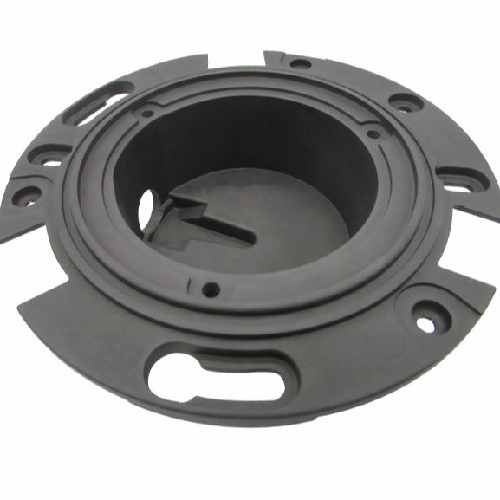
Turn experience into controlled parameters instead of depending only on operator memory
In batch 3-axis CNC machining, the real issue is not whether one machine can produce one acceptable batch, but whether the same process can be reused consistently across shifts and future orders.[web:53]
View full process stability explanation
For most structural and standard parts, we care more about whether the dimensional distribution stays inside the same process window than whether a few pieces occasionally hit an extreme tolerance target. That is what matters in long-term supply.[web:72]
For every batch project, we establish process cards, program versions, and tool-set combinations so the key machining parameters, feed rates, spindle speeds, and fixturing methods are documented. This helps prevent visible dimensional drift caused by operator habits, temporary tool changes, or one-time machine adjustments.
During first-batch and pilot production, we use multi-point measurement to observe dimensional trends instead of checking only whether a single measured value passes the drawing tolerance. If some dimensions keep leaning toward one side of the tolerance zone, we adjust the process window early so later batches retain enough margin even with tool wear and machine variation.
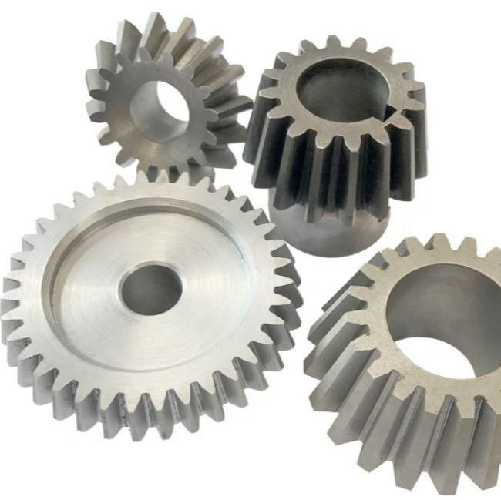
Translate simple-looking drawings into actual assembly risk points
For automation and non-standard equipment, plates, brackets, and trays may look simple on the drawing, but small errors in hole position, datum logic, or thickness can become long alignment time and repeated onsite adjustment.
View full assembly-risk explanation
Instead of chasing extreme tolerance on every dimension, we focus on the relationship between hole patterns, assembly datum consistency, and the fit logic with adjacent parts. Those are often the dimensions that influence installation efficiency the most.
When reviewing these drawings, we pay attention to which holes are locating holes, which are through-holes or mounting holes, and which surfaces will serve as datum contact faces during assembly. If needed, we recommend clarifying these functions in the drawing or technical notes so machining effort is concentrated on the dimensions that affect assembly instead of spread evenly across all features.
This type of part is also commonly reviewed together with industry application cases, quality assurance, and material selection before RFQ submission.[web:72][web:53]
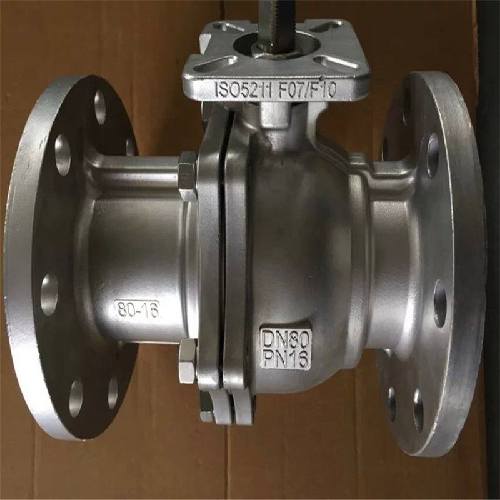
Build a production route that is suitable for repeat supply before confirming delivery promises
Lead time in 3-axis CNC machining is not only a date commitment; it must be backed by an executable production logic.[web:53]
View full lead-time planning explanation
When evaluating batch projects, we consider process difficulty, setup frequency, fixture commonality, and expected reorder rhythm together instead of reviewing only the size of one purchase order.
For repeat parts or structurally similar parts, we often group similar components into the same production schedule to reduce setup changes, machine adjustment time, and unnecessary tool replacement. This helps compress real lead time without trading away consistency.
For new projects, we usually recommend starting from a pilot batch so manufacturability, dimensional repeatability, and assembly behavior can be confirmed before larger rolling deliveries are locked. This supports a more realistic delivery commitment than a number that looks attractive but cannot be sustained in production.
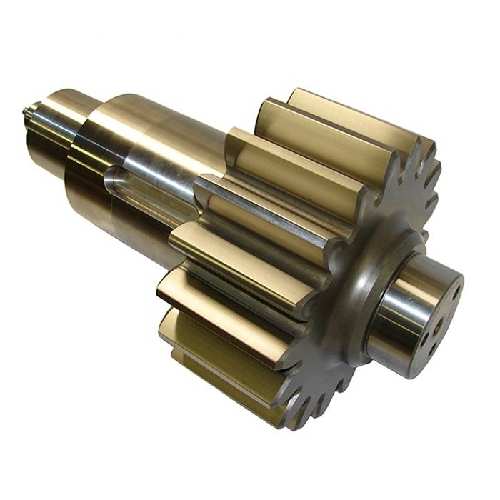
Do not answer issues with “please be more careful next time” when records can support root-cause review
For mature engineering and purchasing teams, the real risk is not that a problem appears once, but that no fact-based review path exists when a problem appears.
View full issue-analysis explanation
We try to keep a practical data trail for each batch, including work-order records, key process confirmation, and final inspection results, so it becomes easier to judge whether an issue comes from design, machining, or field use.[web:72]
If a batch shows assembly interference, edge-of-tolerance dimensions, or inconsistent field feedback, we prefer to review process parameters, tool status, and inspection history instead of giving only a remake or rework answer.
For long-term or critical projects, we can also support more detailed first-article or batch dimensional records by project agreement, which gives engineering and quality teams stronger evidence for internal review and supplier assessment.[web:72]
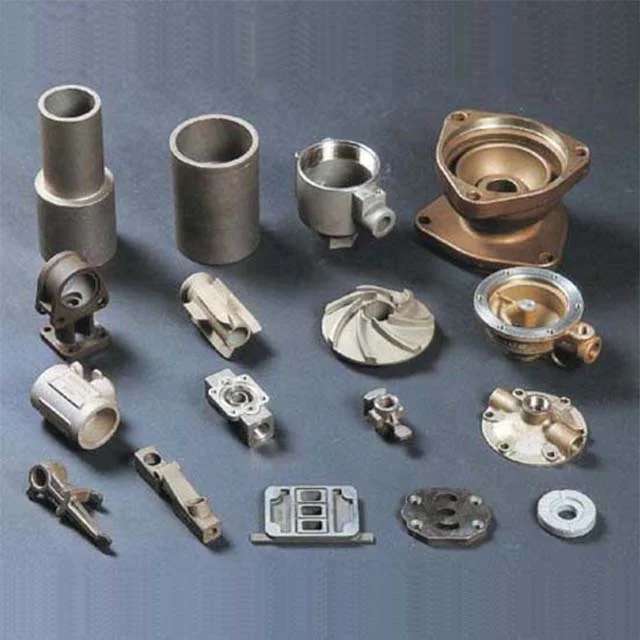
Start from representative structural parts and verify batch capability in real orders
We are especially suitable for structural parts that are not extremely complex in geometry but demand strong batch consistency, assembly efficiency, and predictable reorder supply.
View full part-fit explanation
Typical examples include automation mounting plates, brackets, trays, fixture base plates, clamping blocks, machine frames, connectors, and other structural parts that are sensitive to hole positions, flatness, and datum behavior.
If a part will be purchased repeatedly by quarter or year, needs stable dimensional behavior and delivery rhythm, or can reduce unit machining cost through process optimization and better scheduling without compromising reliability, it is often a good candidate for batch planning with 3-axis CNC machining.[web:53]
If you are not sure whether a part is suitable, upload one or two representative structural parts and we can review process stability, repeatability, and delivery feasibility instead of quoting only one-off machining cost.[web:60]
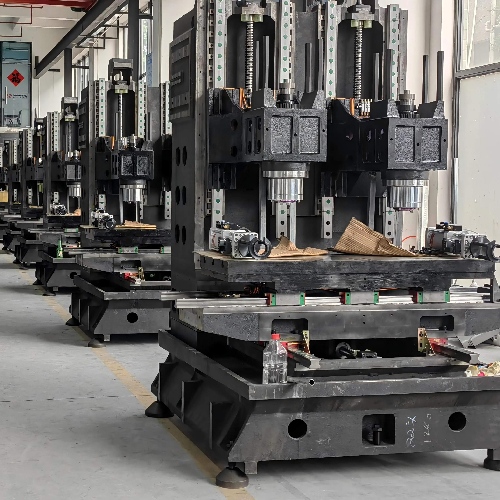
Stable 3-Axis Machining Environment
For many standard industrial parts, stable setup, repeatable machining conditions, and organized workshop support are as important as machine specifications.