Part Solutions

Supply Equipment Components for New Builds, Upgrades, and Maintenance Projects Worldwide.

Our Factory Manufactures and Supplies Mechanical Equipment Components—Send the Equipment Type and Module Location First.

The same bracket, flange, housing, mechanical interface component, or mounting plate can serve different purposes in automation equipment, robotic cells, conveyor lines, packaging equipment, agricultural machinery, engineering equipment, pumps and valves, compressors, or fluid systems. Its structural function, installation location, mating components, maintenance frequency, and operating environment may differ in each application. A part name or a single drawing alone does not define its intended use.

What information is needed at different project stages? The same part requires different information at different project stages.

Different project stages determine which module information, interface relationships, replacement background, and delivery priorities must be provided. If you are a system integrator, equipment manufacturer, or engineering procurement team undertaking automation equipment component purchasing, first explain the equipment type, module name, part installation location, mating components, project stage, and current purchasing objective.

We can use your equipment application map to review whether the part is required for a new build, an upgrade installation, or a maintenance replacement.

We manufacture and supply equipment components, including various types of brackets, flanges, housings, mechanical interface components, mounting plates, and other supporting mechanical parts. You can submit the equipment module and installation location for quotation. If you are a system integrator, equipment manufacturer, or engineering procurement team purchasing automation equipment components, we manufacture and supply equipment components for your project. For a reliable review, submit the equipment type, module location, mating components, project stage, and current purchasing objective. We supply parts for new builds, equipment upgrades, and maintenance projects worldwide. The same bracket, flange, housing, mechanical interface component, or mounting plate requires different project information at different stages of procurement and equipment use. Send the equipment type and module location first, then identify the equipment type, module name, part installation location, mating components, project stage, and current purchasing objective.

Case Study: A Dutch system integrator combined new-build components and upgrade parts in one quotation request
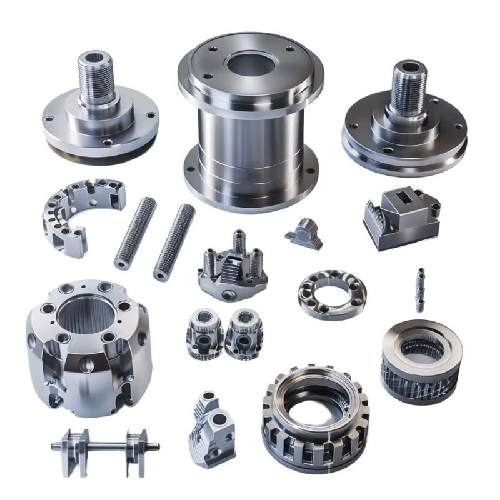
Case Study 1: A Dutch system integrator combined new-build components and upgrade parts in one quotation request, leaving the factory unable to determine delivery priorities. We recommended separating the information by project stage and then organizing it by module location. Result: The quotation was accurate on the first submission, delivery was organized in phases, and the project was completed to the agreed schedule.

Supply Automation Components for Robotics, Conveyor, and Packaging Equipment Worldwide.

Supply Mounting Brackets and Connection Plates—Send the Module Location and Mating Components First.

Mounting brackets, connection plates, linear-guide supports, bearing housings, bases, tooling plates, locating blocks, fixture components, frame connectors, roller mounting bases, and support plates in automation units, robotic workstations, assembly stations, conveyor lines, and packaging equipment may be located at the linear guide, module, robot end effector, drive assembly, workstation base, or conveyor frame.

Why do parts with the same external shape require different interface dimensions and purchasing information?

For automation, robotics, conveyor, and packaging equipment, first define the installation location before sourcing the parts. When buying these parts, first explain where they are installed, which components they connect to, and whether they involve positioning, repeated installation, support, guidance, transmission, protection, or module replacement. Parts with the same external shape may require different interface dimensions and project-information priorities when used as linear-guide supports, robot end-effectors, roller mounts, or packaging-workstation components.

What can be submitted for automation projects requiring a robot-equipment CNC parts manufacturer?

If your automation project requires a manufacturing partner for purchasing robot-equipment CNC parts, provide the equipment module, installation location, mating components, and drawing information for review. We manufacture automation-supporting components for robotics, conveyor, and packaging equipment worldwide. Mounting brackets, connection plates, linear-guide supports, bearing housings, bases, tooling plates, locating blocks, fixture components, frame connectors, roller mounting bases, flange connection components, and support plates in automation units, robotic workstations, assembly stations, conveyor lines, and packaging equipment may be located at linear guides, modules, robot end-effectors, drive assemblies, workstation bases, conveyor frames, roller assemblies, sensor positions, or upgrade interfaces. Send the module location and mating components first, then explain where the parts are installed, which components they connect to, and whether they involve positioning, repeated installation, support, guidance, transmission, protection, or module replacement.

We Manufacture and Supply Agricultural, Engineering, Pump-and-Valve, and Fluid-Equipment Components.

For Load-Bearing, Connection, and Replacement Parts, Send the Equipment Function and Mating Components First.

Brackets, flanges, structural components, housings, mounting plates, sealing connections, and assembly metal components in agricultural machinery, construction machinery, pumps and valves, compressors, and fluid equipment may be used for equipment support, module connections, final assembly installation, structural load-bearing, fluid connections, sealing interfaces, housing installation, upgrade interfaces, or maintenance replacement.

What should be provided when buying CNC parts for agricultural machinery or engineering equipment?

engineering, and fluid equipment, distinguish load-bearing, connection, and replacement requirements. Customers who need to buy CNC parts for agricultural machinery can submit the equipment module, installation location, mating components, operating environment, and relevant part drawings. Project teams undertaking batch purchasing of engineering-equipment parts can explain whether the parts are used for equipment foundations, final assembly, support, load-bearing functions, or upgrade interfaces, and whether phased installation is required under the project schedule.

We manufacture and supply brackets for agricultural, engineering, and fluid equipment, together with flanges, housings, mechanical interface components, and mounting plates.

Procurement teams can submit the equipment function, mating components, and maintenance-replacement background for review. Fluid-equipment customers requiring a quotation for pump-and-valve equipment components should first explain the part’s connection, sealing, installation, or maintenance position within the equipment. Material, pressure resistance, corrosion resistance, temperature resistance, and service-life requirements must be defined by the customer drawings, technical conditions, operating environment, and mutually confirmed information. When engineering procurement teams buy these parts, they should explain whether the part is intended for complete-equipment load-bearing, module installation, piping connection, a sealing location, an equipment upgrade, or replacement for existing equipment.

Case Study: A Hungarian agricultural-machinery manufacturer combined load-bearing and connection parts in one quotation request
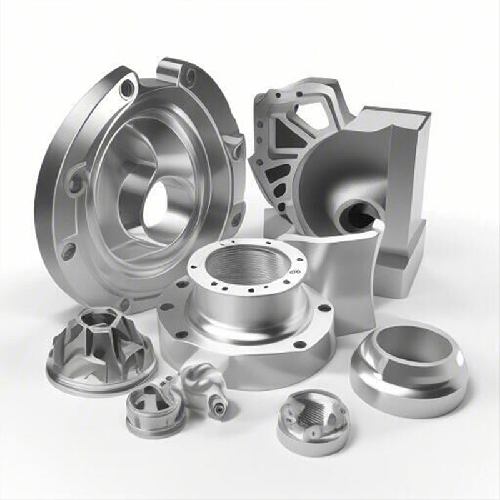
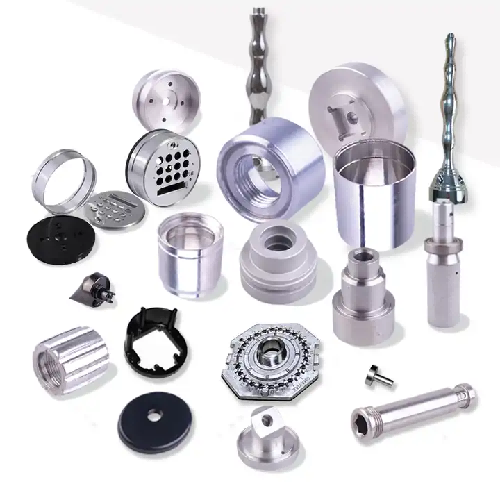
Case Study 3: A Hungarian agricultural-machinery manufacturer combined load-bearing and connection parts in one quotation request, leaving the factory unable to determine the appropriate material direction. We recommended organizing the information separately by load-bearing, connection, and replacement requirements. Result: The material direction was confirmed during the first review, the assembly passed its first fit-up check, and a repeat order for 500 parts followed.

Factory-Direct Supply of Equipment Upgrade Parts and Replacement Components for Shutdown Windows Worldwide.

Manufacture Maintenance Replacement Parts—Send Existing-Part Information and Replacement Priorities First.

New equipment can be purchased progressively according to the project schedule. Equipment upgrades, maintenance replacements, and spare parts for legacy equipment are usually constrained by shutdown windows, site space, interface changes, the condition of existing parts, and installation sequence. When customers buy upgrade parts or maintenance components, they should not state only “we need a bracket” or “we need a flange.” They should also confirm when the equipment will be shut down and whether the part requires priority delivery.

What can customers provide when sourcing industrial equipment upgrade parts?

Confirm the shutdown window for upgrade and maintenance components first. Customers requiring industrial equipment upgrade part supply can provide original-equipment drawings, current part information, upgrade location, mating components, shutdown timing, site dimensions, and project stage. The factory first determines whether the part is used for an added module, interface adjustment, equipment upgrade, replacement installation, or maintenance replenishment. MRO buyers needing to buy legacy-equipment spare parts can begin with the equipment model, customer part number, photographs of the existing part, site dimensions, historical drawing numbers, or typical assembly location. Information does not need to be complete at the outset, but it should allow the factory to identify the replacement relationship and installation priority. A supplier of industrial maintenance replacement parts accepts equipment spare-part procurement for shutdown windows when the required drawings, existing-part information, site dimensions, replacement priorities, and delivery requirements can be confirmed. Maintenance teams can submit existing-part information, site dimensions, and replacement priorities for quotation.

What operating and maintenance conditions should also be explained?

For parts exposed to frequent removal and installation, repeated contact, vibration, cleaning, moisture, fluid contact, outdoor exposure, dust, or temperature conditions, customers should also describe the operating and maintenance background as part of the project conditions for equipment-component review.

Supply Equipment Components for Industry Applications—Global Customers Can Send Their Equipment Application Map.

Our Factory Supplies MRO Spare Parts—Send the Equipment Model and Existing-Part Photos First.

When buying supporting components for industry equipment, customers often overlook the equipment type, module name, installation location, mating components, project stage, and replacement relationship—not only the part drawing. Without this information, the factory cannot determine whether the part is for a new build, complete-line installation, equipment upgrade, maintenance replacement, or spare-parts replenishment, nor can it organize replacement priorities and phased installation arrangements correctly.

How does the factory proceed with the RFQ after the equipment application map is submitted?

LANCIE manufactures and supplies supporting CNC parts for automation, robotics, conveyor, packaging, agricultural, engineering, and fluid equipment. After the customer submits the equipment application map, the factory first reviews the supply scope, replacement relationship, installation priority, and delivery organization before proceeding with the formal RFQ. Customers requiring MRO CNC spare-parts procurement can first provide the equipment model, module, photographs of the existing part, site dimensions, and maintenance-replacement background. Customer information is used only for manufacturing, quotation, and production review for equipment components. If an NDA is required before detailed technical communication, please indicate this in the formal RFQ.

How can an equipment application map be organized?

Equipment type and module name: individual equipment, automation unit, robotic workstation, conveyor line, packaging machine, agricultural machinery, engineering equipment, pump-and-valve module, compressor, or fluid system. Equipment function and project stage: new equipment development, complete-line installation, added module, equipment upgrade, maintenance replacement, legacy-equipment spare parts, or phased installation. Part installation location and typical components: brackets, flanges, housings, mechanical interface components, mounting plates, linear-guide supports, bearing housings, roller mounting bases, machine bases, sealing connections, and other related parts. Mating components and interface conditions: interfaces, hole locations, and connection methods with linear guides, modules, robots, bearing housings, rollers, frames, housings, flanges, pipes, drive units, or other mating components. Replacement and maintenance information: equipment model, customer part number, photographs of the existing part, site dimensions, historical drawing numbers, maintenance frequency, and upgrade background. Shutdown and delivery priorities: shutdown window, replacement priorities, requirements for critical parts to arrive first, phased installation, and project purchasing quantities.

Case Study: A Turkish packaging-equipment manufacturer did not specify the shutdown window for spare-parts purchasing
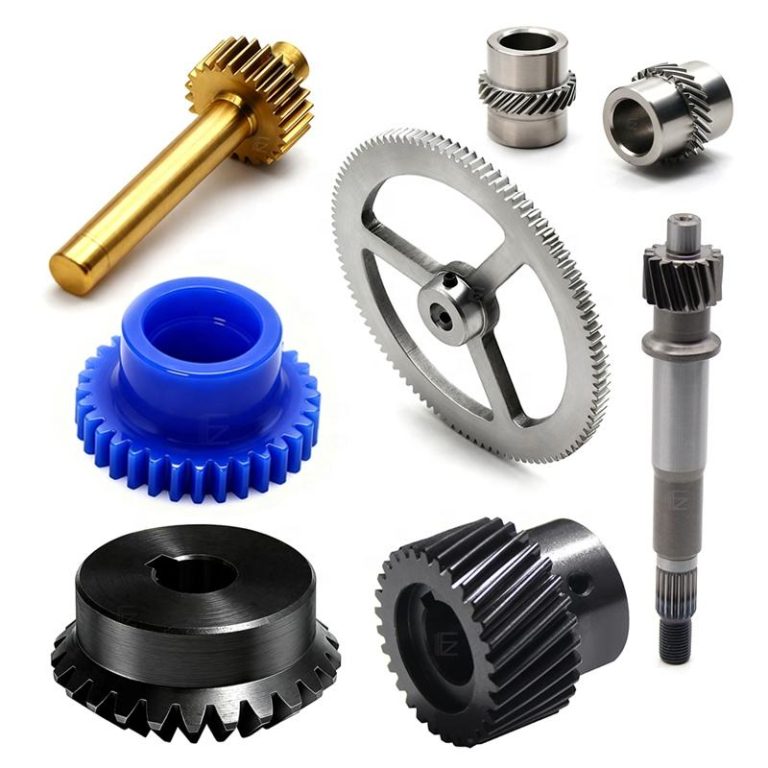
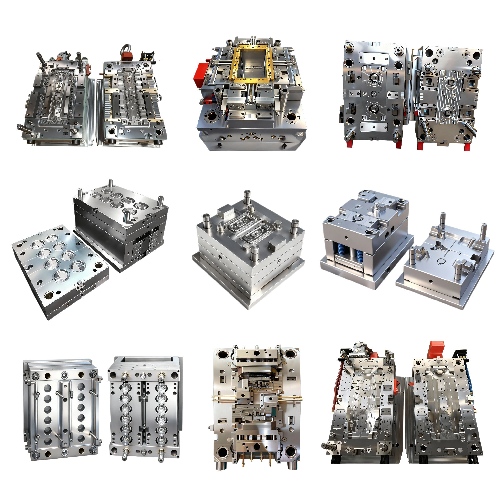
Case Study 2: A Turkish packaging-equipment manufacturer undertaking spare-parts purchasing did not specify the shutdown window, causing the production line to remain stopped while waiting for parts. We recommended organizing the information by shutdown priority and phased installation. Result: Critical parts were prioritized for delivery, downtime was reduced by three days, and a repeat order for 700 parts followed.
Upload CAD Files

Upload Drawings for Quote

Our engineering team reviews material, precision, tolerance, surface finishing, and volume requirements to prepare a reliable quotation and practical DFM suggestions.

Upload Drawings for Quote

STEP / STP / IGES / IGS / XT / DWG / DXF / PDF / JPG / PNG supported

18 language sites
English EN
Español ES
Français FR
Português PT
Русский RU
العربية AR
한국어 KO
日本語 JA
हिन्दी HI
Tiếng Việt VI
Deutsch DE
Türkçe TR
Italiano IT
Indonesia ID
ภาษาไทย TH
Polski PL
中文 ZH
فارسی FA