

Manufacture and Supply 3-Axis and 5-Axis CNC Parts for Global Customers.
Our Factory Manufactures Parts to Project Requirements—Send the Part Structure and Assembly Risks First.
When sourcing mechanical components, customers do not need to decide in advance whether a part requires 3-axis machining, standard 5-axis machining, or advanced 5-axis machining. The real questions to answer first are whether the part is closer to a regular hole-pattern and planar structure, a locally complex multi-face structure, or a freeform critical component, and whether the project needs to prioritize unit cost, assembly risk, single-setup requirements, or delivery milestones.What can be missed when seeking quotations based only on “3-axis” or “5-axis” machining?
When equipment manufacturers seek quotations based only on “3-axis” or “5-axis” machining, they may overlook critical structural features, assembly relationships, tolerance chains, and project stage.
A manufacturing route should not be selected as isolated machine time; it should be organized around the project trade-offs among cost, delivery, assembly risk, and repeatability. Customers, automation integrators, and engineering procurement teams comparing 3-axis and 5-axis CNC parts machining can first submit part drawings, 3D models, current project stage, expected quantity, assembly relationships, sensitive functional surfaces, and priority objectives. The factory first reviews the structural features, assembly risks, and project priorities, then determines whether a more complex route comparison is justified.
How does the factory organize process routes according to structure and project priorities?
LANCIE supports manufacturing-route comparisons for regular hole-pattern structural parts, multi-face mounting parts, and complex freeform mechanical components, subject to drawing review and confirmed project scope.
Customers can begin the review based on structure, assembly risk, and batch requirements rather than treating the machine type as the first purchasing condition. Our factory supplies CNC part manufacturing routes organized around part structure and project priorities for equipment projects. Procurement teams can submit models, assembly relationships, and cost or delivery objectives for similar-structure comparisons.
Case Study: A Mexican automation integrator requested a 5-axis quotation for a regular hole-pattern part
Case Study 1: A Mexican automation integrator requested a 5-axis quotation directly for a regular hole-pattern part, resulting in an excessively high quotation. We determined that the part was closer to a regular hole-pattern and planar structure suitable for a 3-axis route. Result: Cost was reduced by 35%, delivery time was shortened by two weeks, and a repeat order for 700 parts followed.
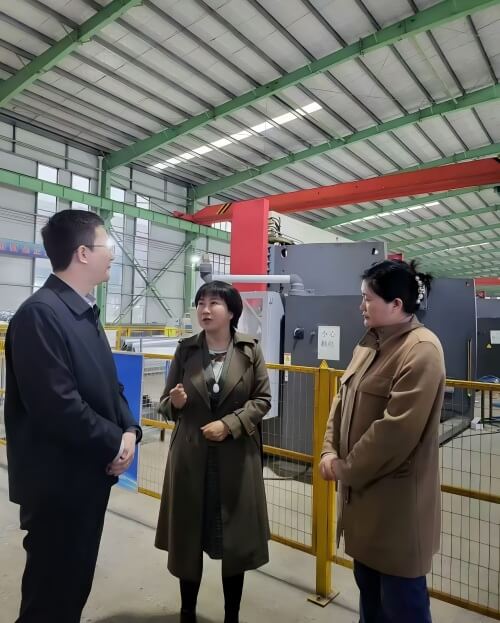
Factory-Direct Supply of Regular Hole-Pattern Structural Parts, Including Mounting Plates and Pallets, for Global Customers.
Manufacture and Supply 3-Axis CNC Parts—Send Hole-Pattern Information and Annual Demand First.
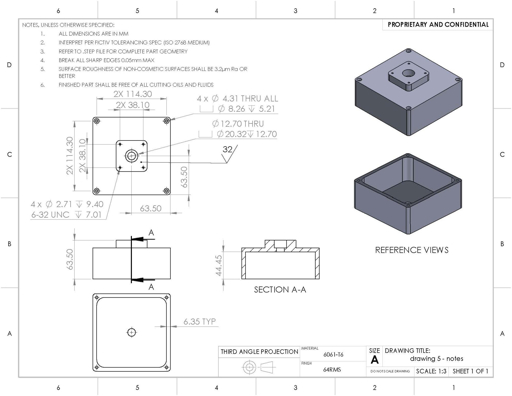
Planar parts, slotted parts, regular hole-pattern parts, locally stepped parts, mounting plates, frame-connection components, fixture base plates, transport pallets, and simple housings should not be assigned to a complex manufacturing route before the project requirements are reviewed. For these parts, the first review usually covers hole patterns, planar features, slots, repositioning relationships, drawing-update frequency, fixture-reuse conditions, and batch-production timing.What should be reviewed first for regular hole-pattern structural parts?
For regular hole-pattern parts, compare repeatability and purchasing cadence first.
Our Chinese factory manufactures and supplies mounting plates, fixture base plates, frame-connection components, simple housings, transport pallets, and other regular-structure CNC parts.
Procurement teams can identify assembly holes, locating holes, critical planes, thickness, mating-part interfaces, and continuing-purchase plans on the drawings as the information basis for evaluating a 3-axis route.
When a manufacturer accepts batch-purchasing projects for regular hole-pattern structural parts, the review should first consider drawing stability, fixture reuse, and annual purchasing cadence. Submit installation relationships and drawing-update frequency together rather than asking only for a unit machining price.
What should be compared for regular hole-pattern and standard planar structural parts?
Customers sourcing 3-axis CNC parts for custom automation equipment, fixtures, frames, mounting plates, or transport pallets can submit hole patterns, locating holes, flatness requirements, slots, local steps, mating-part relationships, drawing-update status, quantities, and annual-demand direction. This provides the information needed to assess whether the regular structural parts are suitable for a 3-axis route comparison.
For regular hole-pattern and standard planar structural parts, customers should not compare which machine is “more advanced.” They should compare whether the structure is stable, whether fixtures can be reused, whether programs require frequent adjustment because of drawing updates, and whether the project prioritizes unit cost, batch-production cadence, or manageable continuing supply.
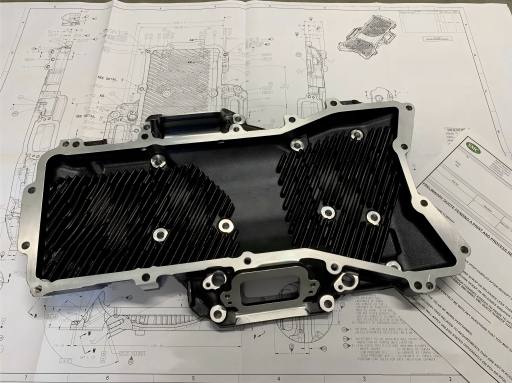
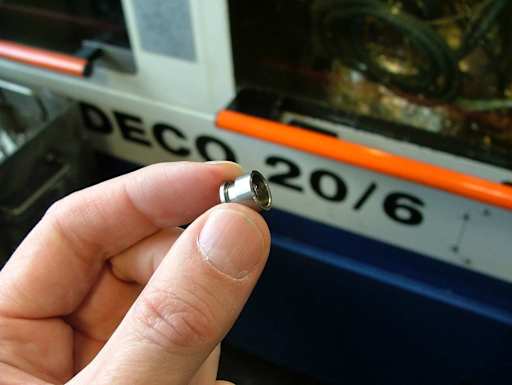
We Manufacture Multi-Face Mounting Parts and Deep-Cavity, Angled-Hole Components for Global Customers.
Factory Manufactures and Supplies Single-Setup Parts—Send Critical Datums and Workholding Risks First.
Multi-face mounting-hole frame corners, multi-face fixture bodies, housings with angled guide structures, locally curved flow-guidance parts, multi-face mounting bases, deep-cavity parts, and connecting components with angled holes do not necessarily require the same complex route across every feature. Purchasing risk is usually concentrated in a limited number of critical features.What can be submitted for equipment projects requiring 5-axis CNC parts?
For locally complex multi-face parts, include workholding relationships in the purchasing comparison.
The manufacturing team first identifies which features affect assembly or repeat positioning, then reviews whether a standard 5-axis route is justified for the current project.
Equipment projects that need to buy 5-axis CNC parts can submit 3D models, multi-face mounting relationships, deep-cavity or angled-hole locations, critical tolerance chains, assembly datums, material direction, project stage, quantity, and delivery objectives.
Purchasing risk is often concentrated in a limited number of critical features: multi-face relationships, deep-cavity accessibility, angled-face or angled-hole positions, assembly datums, tolerance chains, and requirements to reduce repeated positioning.
Is single-setup machining a mandatory condition or a preferred objective?
When sourcing single-setup CNC parts, customers should explain whether single-setup machining is a mandatory project requirement or a preferred objective intended to reduce later alignment, commissioning, or assembly risks.
Different objectives change the weighting of cost, machining arrangements, and validation methods when comparing process routes. We manufacture and supply multi-face mounting components, deep-cavity housings, angled-hole structural parts, locally curved flow-guidance components, fixture bodies, multi-face bases, and other CNC parts.
Procurement teams can identify the most sensitive functional surfaces, assembly positions, deep-cavity regions, angled-hole angles, and critical mating surfaces when entering a project-route review with a manufacturer of CNC parts for complex components. The manufacturing team compares standard 5-axis routes for multi-face mounting parts, deep-cavity housings, and angled-hole structural parts. After customers identify critical datums, workholding risks, and sensitive functional surfaces, the factory determines whether the route should move toward more complex manufacturing conditions.
Case Study: A South African equipment manufacturer requested an advanced 5-axis quotation for an entire multi-face base
Case Study 2: A South African equipment manufacturer requested an advanced 5-axis quotation for an entire multi-face base, resulting in excessive cost. We determined that only a limited number of critical features required a complex route, while the remaining areas could use standard 5-axis machining. Result: Cost was reduced by 25%, the assembly passed its first fit-up check, and a repeat order for 500 parts followed.
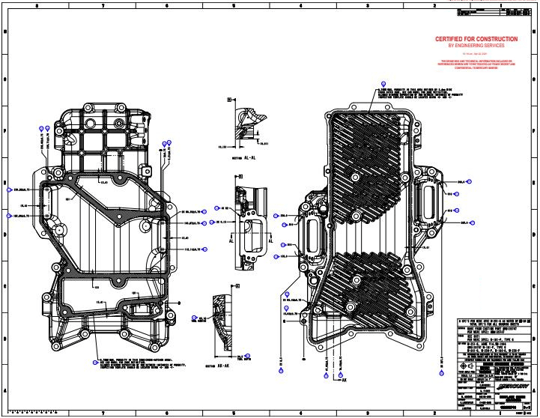
Factory-Direct Supply of Freeform Parts, Including Blades and Blisks, for Global Customers.
Manufacture and Supply Advanced 5-Axis Critical Parts—Send Contour-Sensitive Areas and Trial-Cutting Requirements First.
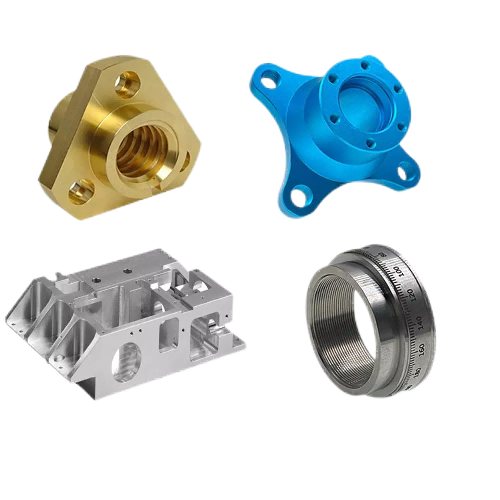
Freeform surfaces, complex blade-like geometries, continuous surfaces, contour-sensitive areas, and parts with specific requirements for trial cutting, surface condition, or critical functional surfaces should not follow the same quotation logic as regular hole-pattern structures or locally complex multi-face parts. Project teams looking for a supplier of advanced 5-axis CNC critical parts should first explain the freeform surface areas, contour-sensitive locations, and critical functional surfaces.What project conditions should be explained for advanced 5-axis critical parts?
Freeform critical parts should not follow the same logic as standard structural parts.
Project teams looking for a supplier of advanced 5-axis CNC critical parts should first explain the freeform surface areas, contour-sensitive locations, critical functional surfaces, material direction, surface requirements, trial-cutting requirements, project stage, expected quantity, assembly risks, target cost, and delivery objectives.
After receiving the information, the factory first reviews whether complex surfaces directly affect part function and whether the additional investment in an advanced route is justified by the project value and risk.
Why should customers not submit only freeform-surface information when requesting a quotation for critical equipment parts?
Customers requiring a quotation for manufacturing critical equipment parts should not submit only blade, blisk, continuous-contour, or other freeform-surface information. They should also identify which surfaces relate to guidance, flow, motion, positioning, sealing, interfaces, fit, or contour performance.
This information is used to determine whether the project requires a specialized route comparison, sample validation, or further review of other candidate routes.
We provide specialized review for similar-structure projects involving freeform surfaces and advanced 5-axis parts.
Projects involving medical, aerospace, or other regulated applications must be reviewed against the customer’s drawings, material requirements, applicable documentation, regulatory obligations, and confirmed project conditions. When a supplier accepts route comparisons for freeform surfaces and critical functional-surface parts, customers need to submit contour-sensitive areas, trial-cutting requirements, and project stage. Advanced 5-axis machining is not the default answer; it must first be reviewed together with functional risk and project value.

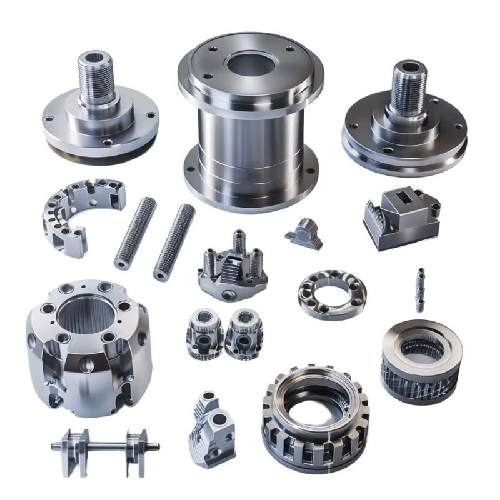
A Manufacturer Supplying Batch CNC Parts—Global Customers Send Process-Comparison Information.
Manufacture and Supply Sample Parts—Send the Project Stage and Priority Objectives First.
Customers do not need to fix the route as 3-axis machining, standard 5-axis machining, or advanced 5-axis machining before requesting quotation. Regular hole-pattern and planar structural parts, locally complex multi-face parts, and freeform critical parts can first enter a project comparison based on similar structural features, then move toward the most suitable manufacturing path according to the current stage and priorities.What information should be provided first for a CNC process-route comparison quotation?
The current candidate process, internally proposed route, or existing supply solution.
Information on whether the part is closer to a regular hole-pattern and planar structure, a locally complex multi-face structure, or a freeform critical component.
2D drawings, 3D models, critical structures, complex features, and sensitive functional surfaces.
Assembly risks, tolerance chains, critical datums, single-setup requirements, or reasons for reducing repeated positioning.
Project stage: concept validation, sample production, trial production, small batches, stable-volume production, repeat orders, equipment upgrades, or maintenance replacement.
Sample, trial-production, batch-production, and annual-demand directions, together with the current priority objectives for cost, delivery, assembly stability, or risk reduction.
Indicate whether the project requires a process-route pilot comparison, first-article evaluation, or project-level assessment of different manufacturing options.
Known material direction, company standards, drawing requirements, inspection requirements, and project boundaries that cannot change.
What should be explained separately for a batch CNC manufacturing-route supplier and a sample-part process evaluation?
Buyers looking for a batch CNC manufacturing-route supplier can explain current part drawings, drawing-update frequency, batch plans, assembly issues, and existing supply arrangements.
Customers requiring a CNC sample-part process evaluation should also explain prototype objectives, critical functional surfaces, validation conditions, and intended follow-on production. After receiving this information, the factory first reviews whether the project should prioritize cost, single-setup machining, delivery, assembly stability, or risk reduction, then compares which candidate routes best suit the current stage rather than quoting only against the labels “3-axis” or “5-axis.”
Case Study: A Saudi buyer requested a quotation for a blade based only on the term “5-axis”
Case Study 3: A Saudi buyer requested a quotation for a blade based only on the term “5-axis,” without identifying contour-sensitive areas or trial-cutting requirements. We identified the need to provide freeform surface areas, functional surfaces, and validation conditions. Result: After a specialized route review, the first production stage met the agreed project requirements, followed by a repeat order for 300 parts.
RFQ and Manufacturing Resources
Prepare Your Mechanical Parts Manufacturing Project
Upload your 2D drawings, 3D CAD models, part numbers, material requirements, quantities, tolerance requirements, surface finish specifications and assembly information so our engineering team can review your manufacturing request.
View Contact Details and Speak With Our Industrial Team
Related Manufacturing and Supply Pages
- CNC Machining Capacity for Long-Term Supply
- Manufacturing Capabilities for Industrial Mechanical Parts
- 3-Axis CNC Machining for Mechanical Parts
- Stable Batch Supply With 3-Axis CNC Machining
- 5-Axis CNC Machining for Complex Mechanical Parts
- Outsourcing Critical 5-Axis CNC Machined Parts
- Foundry-Based Mechanical Components for Production Programs
- Casting Applications and Drawing-Based RFQs
- Materials for CNC Machining
- CNC Quality Control and Inspection Capabilities
- Industrial Fasteners for Global Supply
- Bulk Supply of Industrial Bolts, Nuts and Washers
- Stainless Steel Fastener Supply
- Threaded Rods, Double-End Studs and U-Bolts
- Contact Our Industrial Manufacturing Team