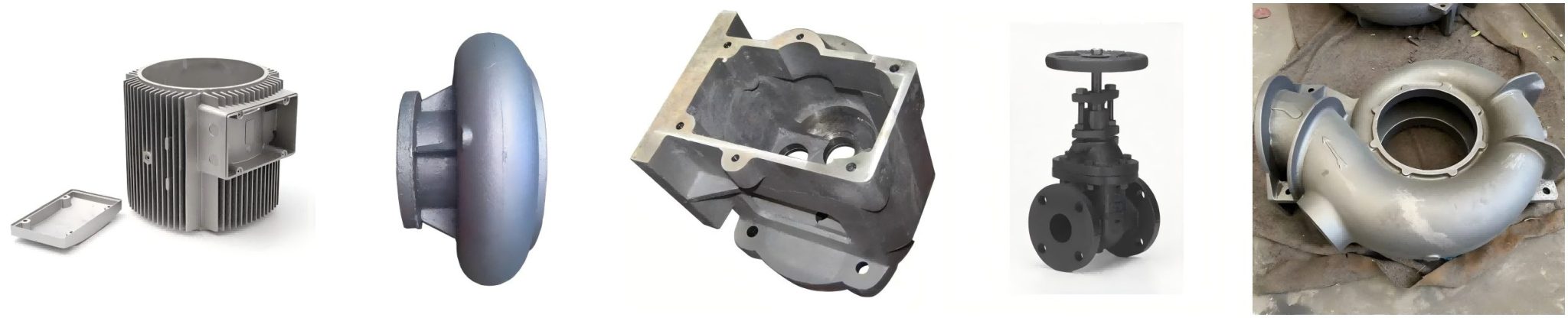
A Chinese Factory Supplying Cast-and-Machined Components
Customers Requiring a Casting-Route Review Should Send Finished-Part Drawings and Machining Requirements
When pump bodies, valve bodies, gearbox housings, machine bases, housings, flanges, brackets, fluid-handling components, and equipment enclosures move into long-term or higher-volume production or repeat purchasing, they should not automatically continue to be machined from solid stock. Where the part geometry and subsequent machining requirements are suitable, a casting-plus-machining route may provide a more practical cost structure, material utilization, production cycle, and long-term supply plan. Before comparing a casting price with machining-from-solid cost, confirm the casting route, wall thickness, draft, rib layout, machining allowance, critical datum surfaces, sealing faces, holes, threads, and post-casting machining requirements.Why Should You Not Judge Cast-Iron Parts Only by the Raw-Casting Price?
When buying cast-iron parts, do not compare raw-casting prices alone.
If machining allowance, critical machined surfaces, assembly datums, sealing faces, connection surfaces, and post-casting machining requirements are not defined, a low-cost casting blank can create higher cost during machining, inspection, rework, or final assembly.
As a supplier of machined cast components for projects requiring coordination between casting blanks and post-machining, we accept these base-component projects.
If you need to buy such parts, submit finished-part drawings, casting drawings, machining drawings, or sample information for quotation.
What Can Be Submitted When Buying Cast Components?
Customers buying cast components can submit current solid-machined-part drawings, material preferences, annual demand or batch quantities, surfaces that must remain for machining, critical datum surfaces, and the project’s cost priorities.
We first assess whether the part is suitable for conversion from machining from solid stock to a casting route, then review the relationship between the casting blank, machining allowance, post-casting CNC machining, and final assembly requirements.
For a casting-route review, we manufacture and supply machined cast components. Send the finished-part drawing, available casting drawing, machining drawing, sample, material specification or preference, quantity, and critical surfaces for quotation.
Case Study: A Finnish Pump-and-Valve Manufacturer Originally Machined Components from Solid Steel
Case Study 1: A Finnish pump-and-valve manufacturer originally machined components from solid steel, resulting in persistently high material and machining costs.
During process review, we determined that the pump-body geometry was suitable for casting, with critical sealing surfaces retained for post-machining.
Result: Total cost was reduced by 30%, the delivery timeline was shortened by three weeks, and a repeat order for 1,200 parts followed
Video Overview
Turning process for typical rotational parts on 2-axis machines
View More
Hide
Turning process for typical rotational parts on 2-axis machines
Shows turning equipment in operation, bar or blank fixturing, and typical OD, ID, face, step, and chamfer machining.
Useful for shafts, bushings, fittings, connectors, and other rotational parts requiring stable batch turning.
2-Axis Turning
Turned Parts
Rotational Features
Shafts & Bushings
Manufacture and Supply Casting Blanks and Machined Cast Parts
Customers Sourcing Casting Blanks Should Provide Wall Thickness, Draft, Rib Layout, and Machining-Allowance Details
A casting blank must be designed around the casting process and the final machining requirements. Wall thickness, draft, rib layout, machining allowance, critical datum surfaces, internal cavities, core requirements, and parting-line considerations define whether a casting route is practical. Gray iron, ductile iron, aluminum alloy casting, and stainless steel investment casting are not simply different material names. Each route must be evaluated against wall thickness, draft requirements, rib placement, shrinkage allowance, cavities, machining allowance, and critical machined surfaces.What Should Be Confirmed Before Converting from Solid Machining to a Casting Route?
Define the casting design boundaries before defining the casting blank.
If you want to convert a part from machining from solid stock to casting, first identify which external features can be formed in the casting and which planes, bores, threads, interfaces, sealing faces, or fit locations must remain for post-casting machining.
This ensures that you are not buying an undefined casting blank, but a casting blank designed for final machining and assembly.
Customers needing a quotation for casting blanks and post-machining can submit wall thickness, draft, rib layout, machining allowance, critical machined surfaces, assembly datum information, target material, annual volume, and required inspection documents.
We use this information to assess whether the casting structure and subsequent machining can establish a practical process route.
How Should Post-Machining Requirements Be Specified for Gray Iron, Ductile Iron, Aluminum Alloy, and Stainless Steel Investment Castings?
We manufacture and supply mechanical cast components that retain machining allowance.
Submit wall thickness, rib layout, casting geometry, machining allowance, and critical machined surfaces for a casting-process review.
For gray iron and ductile iron base components involving mounting surfaces, hole locations, mating surfaces, bores, threads, or interface features, define the post-casting machining requirements on the drawings.
Aluminum alloy housings and stainless steel investment castings likewise require clear identification of which features are completed by casting and which are retained for subsequent machining.
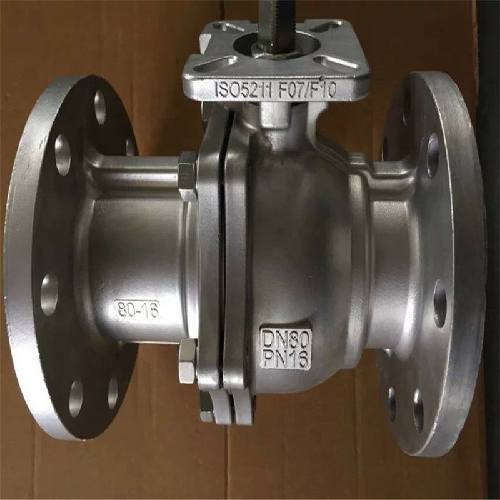

Manufacture and Supply CNC-Machined Cast Components
Customers Needing Post-Casting Machining Should Identify Critical Machined Surfaces, Datum Features, and Sealing Faces
Critical machined surfaces, sealing faces, and assembly datums must be planned together with the casting blank. The value of a cast component is not limited to forming the external geometry. It also lies in establishing the correct machining allowance, datum locations, machining access, and support conditions for subsequent CNC machining. For pump bodies, valve bodies, valve covers, flanges, bearing housings, machine bases, beds, gearbox housings, support bases, and structural components, later machining may not produce the required result if mounting surfaces, sealing faces, holes, bores, threads, or mating surfaces are not planned with the casting route.What Should Be Distinguished on the Drawing for a Post-Casting CNC Machining Quotation?
Customers requiring a quotation for post-casting CNC machining should distinguish the casting geometry, critical machined surfaces, machining allowance, assembly datums, sealing faces, connection interfaces, and holes or threads requiring further machining.
We first identify which features must be assured by post-casting machining and which structures are suitable for completion by casting.
We manufacture and supply mechanical components requiring coordination between casting and subsequent machining. Begin the quotation process by identifying critical machined surfaces, assembly datums, sealing faces, and machining allowance.
How Are Material Selection and Project Suitability Assessed?
For customers seeking to buy gray-iron or ductile-iron base components, rigidity, vibration damping, strength, toughness, structural load requirements, machining requirements, and quantity scale can influence the material selection and casting route.
However, the final material specification and project suitability must be reviewed against the drawings, performance targets, service conditions, machining requirements, and mutually confirmed project information.
We supply CNC-machined cast components. Send the critical machined-surface information and distinguish casting geometry, critical machined surfaces, machining allowance, assembly datums, sealing faces, connection interfaces, and holes or threads requiring further machining on the drawings.
Case Study: A Danish Gearbox Manufacturer Had Post-Machining Surface Misalignment on a Cast Housing
Case Study 2: A Danish gearbox manufacturer experienced post-machining surface misalignment on a cast housing, causing assembly interference.
During review, we determined that the sealing faces and bearing-bore datums needed to be designed together with the casting blank.
Result: The housing passed the customer’s first assembly check, followed by a repeat order for 800 parts.
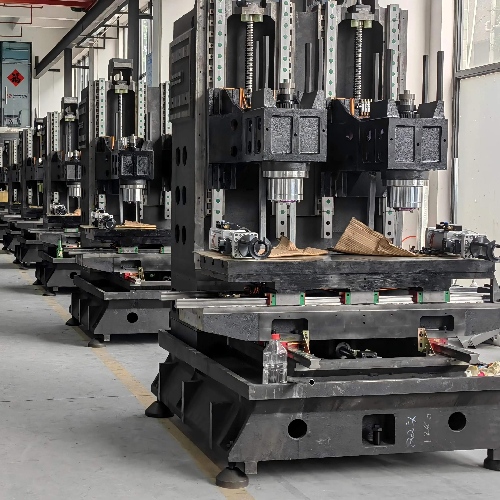
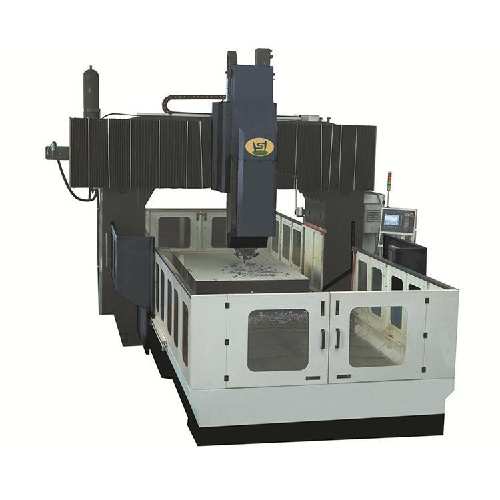
Manufacture and Supply Gray Iron, Ductile Iron, Aluminum Alloy, and Stainless Steel Cast Components
Customers Planning Batch Purchases of Aluminum Castings Should Submit Annual Demand, Wall Thickness, and Machining Requirements
Material selection and production-volume trade-offs determine whether you are buying a casting blank, a post-machined component, or an assembly-ready part. Gray iron, ductile iron, aluminum alloy casting, and stainless steel investment casting serve different material, geometry, production-volume, surface, and post-machining requirements. Gray iron and ductile iron projects may prioritize rigidity, vibration damping, strength, toughness, structural load requirements, and stable volume production.Why Should Material Selection Not Be Treated as an Unconditional Performance Promise?
Buyers should not treat a preliminary material choice as an unconditional performance commitment.
Material specification, part structure, casting process, post-casting machining, assembly requirements, operating environment, and volume objectives must be reviewed together to determine whether a component can be manufactured, machined, assembled, and used as required.
Aluminum alloy casting projects may prioritize weight, structural integration, thermal conductivity, electrical conductivity, and post-machining requirements. Stainless steel investment-casting projects may prioritize complex geometry, near-net-shape potential, corrosion resistance, or elevated-temperature service requirements.
What Should Be Provided for Batch Purchasing of Aluminum Castings or Stainless Steel Investment-Casting Projects?
Customers undertaking batch purchasing of aluminum castings can describe housings, mounting structures, cooling ribs, interface features, wall thickness, weight targets, annual demand, post-casting machining, and surface requirements.
Projects requiring support from a stainless-steel investment-casting manufacturer can submit complex geometry, material preferences, service conditions, post-machined surfaces, critical tolerances, and assembly requirements so the factory can review the relationship between investment casting and subsequent machining.
As a manufacturer supplying post-machined gray-iron, ductile-iron, aluminum, and stainless-steel investment-cast parts, we help buyers organize casting project information around material selection, volume priorities, machining allowance, and critical machined surfaces.
What Should Be Defined for Projects with Demanding Environmental Requirements?
For food processing, pharmaceutical, chemical, marine, outdoor, fluid-control, or other environment-sensitive projects, corrosion resistance, temperature resistance, wetted-service requirements, cleanliness, regulatory, or industry-compliance requirements must be specified in the customer drawings, material specifications, and project conditions.
They cannot be assumed from the material name alone.

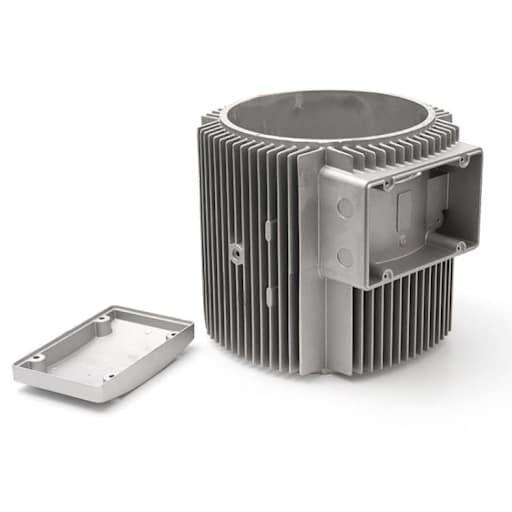
We Manufacture and Supply Industrial Cast Components for Global Customers
Customers Starting an RFQ for Cast Mechanical Components Should Submit Finished-Part Drawings, Casting Information, and Post-Machining Requirements
Where the boundary between the casting blank and post-casting machining is unclear, there is no reliable basis for an industrial casting quotation. When buying machined cast components, a finished-part geometry or material name alone does not allow the factory to determine the appropriate casting route, machining allowance, features requiring post-machining, assembly datums to be retained, or the conditions for comparing batch costs. Do not compare cast-part prices from a finished-part drawing alone. Confirm the casting route, machining allowance, critical machined surfaces, material specification, annual demand, tooling requirements, and inspection needs first.What Information Should Be Submitted First to Start an RFQ for Cast Mechanical Components?
- Material selection and casting route: Gray iron, ductile iron, aluminum alloy casting, stainless steel investment casting, or the current comparison between machining from solid stock and casting.
- Finished-part drawings, casting drawings, or samples: Existing casting blanks, finished-part drawings, machining drawings, historical samples, or information that explains part geometry, critical machined surfaces, and structural conditions.
- Casting design information: Wall thickness, draft, rib layout, internal cavities, complex external features, core requirements, parting-line considerations, and machining-allowance requirements.
- Critical machining and assembly features: Mounting surfaces, hole locations, bores, threads, sealing faces, connection surfaces, mating surfaces, and assembly datums to be retained.
- Quantity and cost priorities: Batch quantities, annual demand, repeat-purchase requirements, tooling budget, and whether the priority is casting-blank cost, post-machining cost, weight, structural integration, or material selection.
- Post-machining and assembly requirements: Required CNC machining, inspection, pressure testing where applicable, heat treatment, surface treatment, packaging, certification, or coordination with related components.
How Does the Factory Proceed After Cast-Component Information Is Submitted?
To begin an RFQ for cast mechanical components, our factory manufactures and supplies industrial cast components.
Send the finished-part drawing, available casting or machining drawings, material selection and casting-route information, casting design details, critical machining and assembly features, quantity and cost priorities, and post-machining requirements.
The factory first assesses the casting route, casting blank design, machining allowance, post-casting machining requirements, critical datums, inspection plan, and production-volume conditions before proceeding with the formal quotation.
Case Study: A Portuguese Buyer Submitted Only the Finished-Part Drawing Showing the Final Geometry
Case Study 3: A Portuguese buyer submitted only a finished-part drawing showing the final geometry, and quotations from several casting suppliers varied substantially.
During review, we determined that the casting route, machining allowance, and critical machined surfaces needed to be clarified.
Result: The quotation was accurate on the first submission, the first production run completed post-casting machining to the agreed requirements, and a repeat order for 1,000 parts followed.

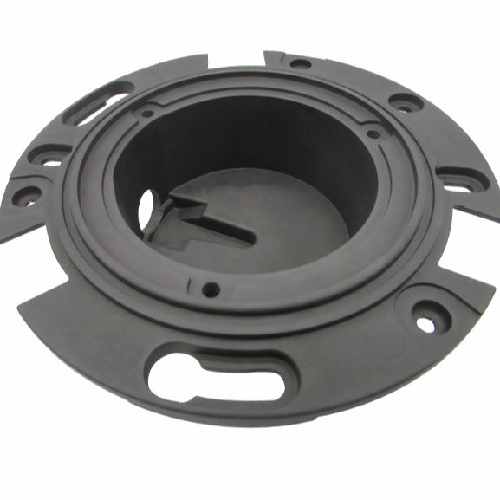
RFQ and Manufacturing Resources
Prepare Your Mechanical Parts Manufacturing Project
Upload your 2D drawings, 3D CAD models, part numbers, material requirements, quantities, tolerance requirements, surface finish specifications and assembly information so our engineering team can review your manufacturing request.
View Contact Details and Speak With Our Industrial Team
Related Manufacturing and Supply Pages
- CNC Machining Capacity for Long-Term Supply
- Manufacturing Capabilities for Industrial Mechanical Parts
- 3-Axis CNC Machining for Mechanical Parts
- Stable Batch Supply With 3-Axis CNC Machining
- 5-Axis CNC Machining for Complex Mechanical Parts
- Outsourcing Critical 5-Axis CNC Machined Parts
- Foundry-Based Mechanical Components for Production Programs
- Casting Applications and Drawing-Based RFQs
- Materials for CNC Machining
- CNC Quality Control and Inspection Capabilities
- Industrial Fasteners for Global Supply
- Bulk Supply of Industrial Bolts, Nuts and Washers
- Stainless Steel Fastener Supply
- Threaded Rods, Double-End Studs and U-Bolts
- Contact Our Industrial Manufacturing Team