-1-1-2-126x39.png)

Quality Control and Inspection Capability: Not Just Making Parts, but Providing Data When Problems Need Answers
For procurement teams, SQEs, and quality managers in mature manufacturing markets such as Europe, the United States, and Japan, what truly matters is not only whether a batch of parts looks acceptable at shipment, but whether the supplier can quickly provide traceable quality records, first article inspection data, material batch information, and evidence for critical dimensions when issues appear during assembly, life testing, or after-sales use.
We understand that you do not need a generic statement that “quality is important.” You need a quality control process, incoming material traceability logic, first-piece inspection discipline, and problem review method that can still be executed during batch production. That is why we focus more on whether records can be traced back, whether the process can be explained, and whether issues can be located with evidence, instead of relying on one isolated shipment pass-rate number.
Supported drawing and file formats: STEP / STP / IGES / IGS / XT / DWG / DXF / PDF / JPG / PNG.
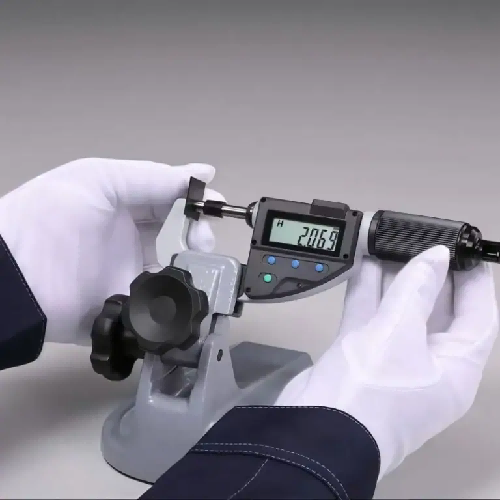
What Can Be Traced Back After a Problem Appears
In mechanical component sourcing, the most difficult problems are often not whether a part can be assembled today, but whether enough evidence exists when deviation appears weeks or months later. Our view of quality control is not limited to passing the current batch. When necessary, we aim to link each critical part batch to material lot data, supplier source, machining work order, key process records, and inspection results, so your quality team can move faster in root cause analysis instead of stopping at “rework first.”
For critical structural components, assembly datum parts, sealing-related parts, tight tolerance parts, and functional machined components, we establish project-based traceability logic according to the actual requirement. The value is not to create more paperwork. The value is to help your procurement, quality, and engineering teams determine whether assembly interference, dimensional drift, batch inconsistency, or field complaints come from a drawing revision issue, incoming material variation, machining deviation, or real operating conditions beyond the original assumption.
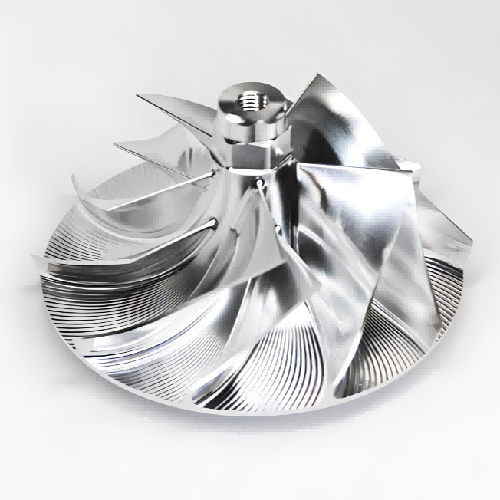
First Article Inspection, Key Dimension Records, and Staged Release for Stronger Internal Approval
For new projects, prototypes, pilot runs, and production transfer stages, what customers usually need is not a slogan such as “we can hold ±0.001 mm.” What they need is a supplier that can support first article inspection reports, key dimension records, dimensional comparison data, incoming material confirmation, and batch release evidence. The core value of first article inspection is to identify process problems early and verify whether the manufacturing route truly has repeatable capability before the defect source is discovered in mass production.
If your internal process requires staged approval from prototype validation to pilot production and then full-volume release, we can align the inspection plan with that sequence. For key dimensions, mating holes, datum faces, sealing surfaces, geometric tolerances, and assembly-sensitive features, we prefer to define inspection focus according to project risk instead of forcing every project into the same standard template. This makes it easier for your IQC, incoming inspection, and first article approval teams to present convincing evidence internally.

Batch Quality Control Should Not Depend on “Being Extra Careful Only on Big Orders”
What many overseas customers really worry about is this: the supplier is detailed during the prototype stage, but once production volume increases, quality starts depending on experience and luck. We understand that concern because batch stability is part of the supplier’s system capability. For us, quality control should not become strict only for first articles or high-value orders. The same logic needs to continue from prototype to trial production and ongoing batch supply, including process version control, control points for key dimensions, first-piece approval logic, and abnormal escalation.
For mechanical equipment parts, automation equipment parts, fixture components, housing parts, and custom machined parts that require batch-to-batch consistency, we care more about whether the same process can be repeated reliably than whether a single sample part looks unusually good. What normally affects your site efficiency is not the first part. It is whether the 30th part, the 300th part, and the next reorder batch can still deliver the same assembly experience.
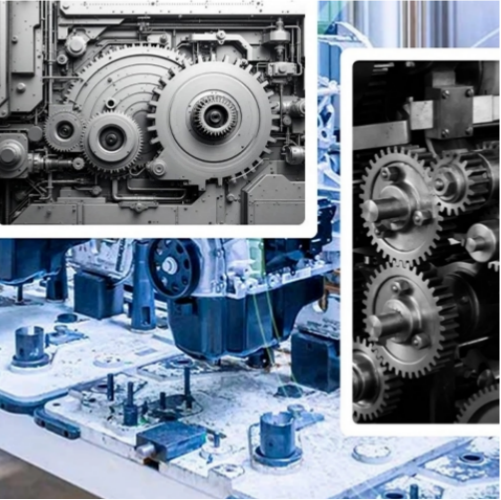
When Abnormalities Happen, Will the Supplier Join the Analysis Instead of Only Saying “We Will Remake It”?
Mature customers often evaluate suppliers with one practical question: once assembly abnormality, sealing failure, dimensional drift, or life-test deviation appears on site, will the supplier only respond with “we can remake the parts,” or will the supplier participate in the analysis? Within a reasonable scope, we are willing to support problem review with customers by rechecking key dimension records, process routing, inspection focus, and drawing interpretation, so the issue range can be narrowed instead of pushing responsibility back to procurement or end use.
If dimensional fluctuation exceeds expectation, fit interference appears, repeated positioning becomes unstable, or assembly efficiency declines during batch production, we can help review the process and inspection plan according to the actual project and then turn the lessons learned into later process control. For global equipment manufacturers, the value is clear: you do not only gain a machining supplier. You gain a manufacturing partner willing to support traceability, problem localization, and continuous improvement.
Typical support topics: assembly interference review, dimensional variation review, process route feedback, inspection focus adjustment, and follow-up batch improvement logic.
Industry Applications and Typical Parts: Not Just Machining Parts, but Understanding the Role They Play Inside Equipment
In global mechanical component sourcing, one practical issue appears again and again: many suppliers can do CNC machining, turning, milling, and assembly-related parts, but they do not truly understand what the part is doing inside the full machine. What customers actually want is not a supplier that only follows dimensions, but a supplier that can read a drawing, GD&T requirements, and assembly relationships and then understand why the part matters, where surface dimensions are not enough, and which process risks should be raised earlier.
That is why we do not describe industry capability with vague phrases such as “serving many industries.” Instead, we explain our work through typical application scenarios and key part types. This helps your team judge faster whether we have handled automation equipment parts, valve body parts, fixture components, enclosure parts, and structural machined components similar to your project.

Automation Equipment Parts: Reducing On-Site Adjustment, Shims, and Repeated Setup Time
In automation equipment, custom workstations, conveyor systems, handling mechanisms, and production line modules, customers usually care less about whether a single part looks complicated and more about how long the assembly team needs to make the full system run smoothly on site. For mounting plates, brackets, bases, connector blocks, guide structures, and tray-like parts, we focus first on mating hole positions, datum faces, relative positional relationships, and repeatable installation consistency, helping reduce file fitting, shim compensation, and long dial-indicator alignment work on site.
For many automation equipment parts, the real time cost does not come from CNC machining itself. It comes from assembly error being amplified at the system level. We prefer to place accuracy where it truly affects assembly efficiency and changeover convenience, so your commissioning team can spend more time on machine cycle performance, process motion, and system stability rather than repeatedly asking why one bracket still feels slightly off.
Valve Bodies and Fluid Control Parts: The Focus Is Not the Outer Shape, but Sealing, Internal Bores, and Long-Term Stability
For valve bodies, manifold blocks, fluid control bases, connector bodies, and precision parts with threaded sealing structures, we understand that customers do not judge value by whether the appearance looks correct. They judge it by whether sealing surfaces, internal bores, threads, and flow passages can remain reliable under real working conditions. Many of these parts look acceptable at prototype stage, but hidden issues only appear in pressure testing, life testing, or actual media conditions.
That is why we focus on function-critical regions such as sealing surface finish, key internal bore dimensions, thread quality, port condition, machining residue inside flow passages, and assembly mating faces instead of applying the same effort everywhere. For your testing team, keeping key dimensional records and the necessary process evidence also makes it easier to separate whether a problem comes from sealing structure design, material condition, or machining deviation.
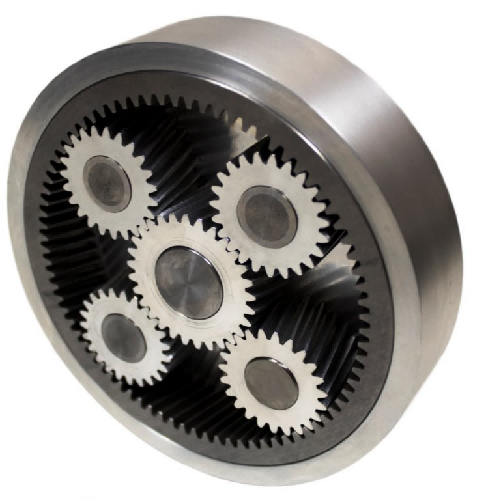
Fixture and Jig Components: The Real Value Shows Up After the 50th and 500th Clamping Cycle
Fixture base plates, locator blocks, clamp plates, guide elements, stop parts, and jig mounting bases are often not the most expensive items in a project, but they are among the parts most likely to amplify production problems over time. For fixture parts and jig components, being able to assemble the first article is only the minimum requirement. What really matters is repeatability, positioning stability, and maintenance convenience after repeated clamping cycles. Many fixture projects do not fail because the design idea is wrong, but because the datum relationships, wear paths, and replacement logic after machining were never fully considered.
When we handle these parts, we focus first on long-term positioning repeatability, contact surface condition, recovery after disassembly and reassembly, and whether maintenance teams can replace components quickly later. For customers, this means the fixture is not only usable today. It stays practical during tool change, setup, reassembly, and batch transfer, without forcing the team into another round of inefficient trial cuts and repeated adjustment. For manufacturers chasing line speed and process stability, this long-term reusability matters more than a one-time sample delivery.
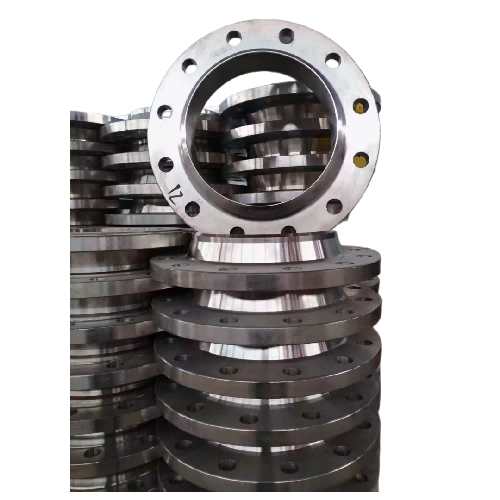
Electronics, Heat Dissipation, and Enclosure Structures: Finding the Effective Balance Between Assembly, Appearance, and Thermal Performance
For electronic structural parts, heat dissipation components, machine enclosures, mounting housings, panels, and heat sink related parts, the challenge is usually not whether they can be machined at all. The challenge is how to balance assembly fit, appearance expectations, and thermal management at the same time. In many projects, if every dimension is pushed toward the smallest possible tolerance, manufacturing cost rises while the dimensions that truly affect structure, assembly efficiency, and heat transfer can become less clear.
For enclosure parts, housing parts, electronics machined components, and heat-dissipation-related structures, we therefore prefer to place the tolerance budget on the interfaces that matter most, such as mounting faces, thermal contact areas, key hole positions, visible surfaces, and functional boundaries. The goal is not to make a drawing look “tight everywhere,” but to make your prototype performance, batch assembly outcome, and real operating condition behave as close as possible to the design intent and simulation expectation.