-1-1-2-126x39.png)

3-axis CNC precision machining for batch structural parts and standard components, supported by general 5-axis solutions
For batch structural components and standard mechanical parts, 3-axis machining is often the preferred route for balancing cost and lead time.
For mechanical component projects centered on batch supply and structural parts, 3-axis machining is often the preferred solution for balancing cost and delivery, rather than a second-best option.
We focus on batch 3-axis CNC machining of aluminum alloys, stainless steel, carbon steel and common engineering plastics, while also offering general 5-axis capabilities for local complex surfaces and multi-face structural parts. This helps reduce setup changes and accumulated error at the source, giving your project a verifiable and repeatable manufacturing path across cost control, delivery and dimensional consistency.
Upload drawings to receive machining and quotation suggestions.
We support STEP, STP, IGS, X_T and PDF drawing evaluation for batch sizes from 10 to 10,000 pieces and for typical precision mechanical component projects, with a smooth transition from prototype validation to low-volume and volume production.
If you identify parts on this page that are similar to your own structures, application scenarios or industry requirements, you can attach the corresponding case reference, part photo or a short note together with your drawings and quantity requirements. Compared with explaining the project background from scratch, discussing process routes and delivery methods based on similar cases usually helps align expectations faster and makes it easier to agree on sample validation, cost optimization and long-term supply rhythm.
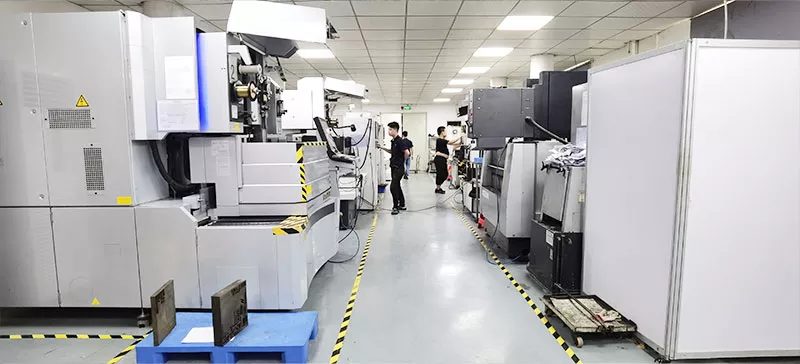
Batch structural component suitable for 3-axis CNC machining, with general 5-axis support reserved for local complex features and multi-face requirements.
Which parts are better suited to 3-axis machining
For most flat structural parts, slotted parts, stepped shaft parts and standard mounting plates, 3-axis machining is usually the more economical and more stable option for risk-controlled batch production.
This is because the key features of these parts are mainly concentrated in 2D profiles, hole patterns and local steps. With reasonable fixturing and one or a limited number of setups, most machining surfaces can be completed without paying extra for advanced multi-axis interpolation.
In real projects, these parts are widely found in non-standard automation equipment, fixture base plates, frame connectors, simple housings, equipment mounting plates and transport trays. Typical characteristics include medium size, meaningful batch volume, frequent design iteration and high sensitivity to unit cost, delivery cycle and drawing-update response speed.
For projects of this type, introducing 5-axis too early not only increases programming and setup costs, but can also make the process unnecessarily complex in later volume production, raising unit cost and increasing dependence on setup experience.
If your parts are mainly composed of planar features, with regular hole distributions and no large freeform surfaces or complex angled holes, we will prioritize a 3-axis process review. Under the required tolerances, we help break complexity down into more controllable and standardized machining paths.
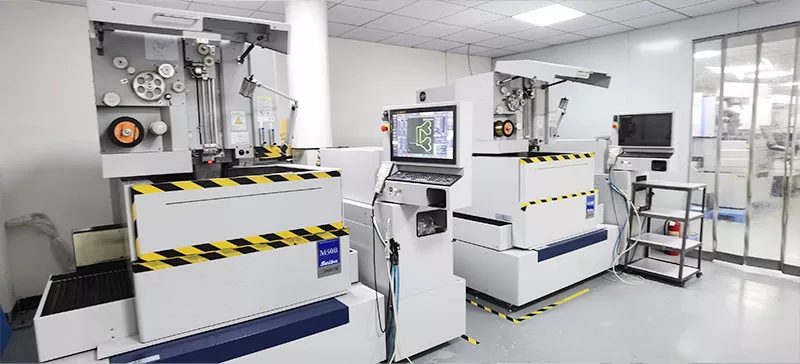
Typical 3-axis candidates include mounting plates, flat structural parts, slotted components and batch-ready standard mechanical parts.
Why 3-axis machining often wins on cost and delivery
When tolerances, surface finish and drawing requirements can be met, 3-axis equipment can significantly lower machine occupancy cost, tooling cost and setup time in medium- and high-volume production.
Compared with advanced 5-axis solutions, 3-axis machines have natural advantages in fixture universality, tooling inventory strategy and program reuse. This makes them more suitable for building standard process packages and long-term repeat orders for standard mechanical components.
From a capacity planning perspective, 3-axis equipment is also easier to schedule in parallel across multiple machines. By replicating the same process path on several machines, monthly output can be increased without sacrificing yield, which is especially useful for lead-time-sensitive orders with moderate technical complexity.
If your project focuses on stable batch supply and you want to optimize unit price and delivery while maintaining required accuracy, it is helpful to mark the expected batch size, annual demand range and key tolerances on the drawing. We can then provide a 3-axis-dominant process recommendation and explain when general 5-axis support should be introduced.
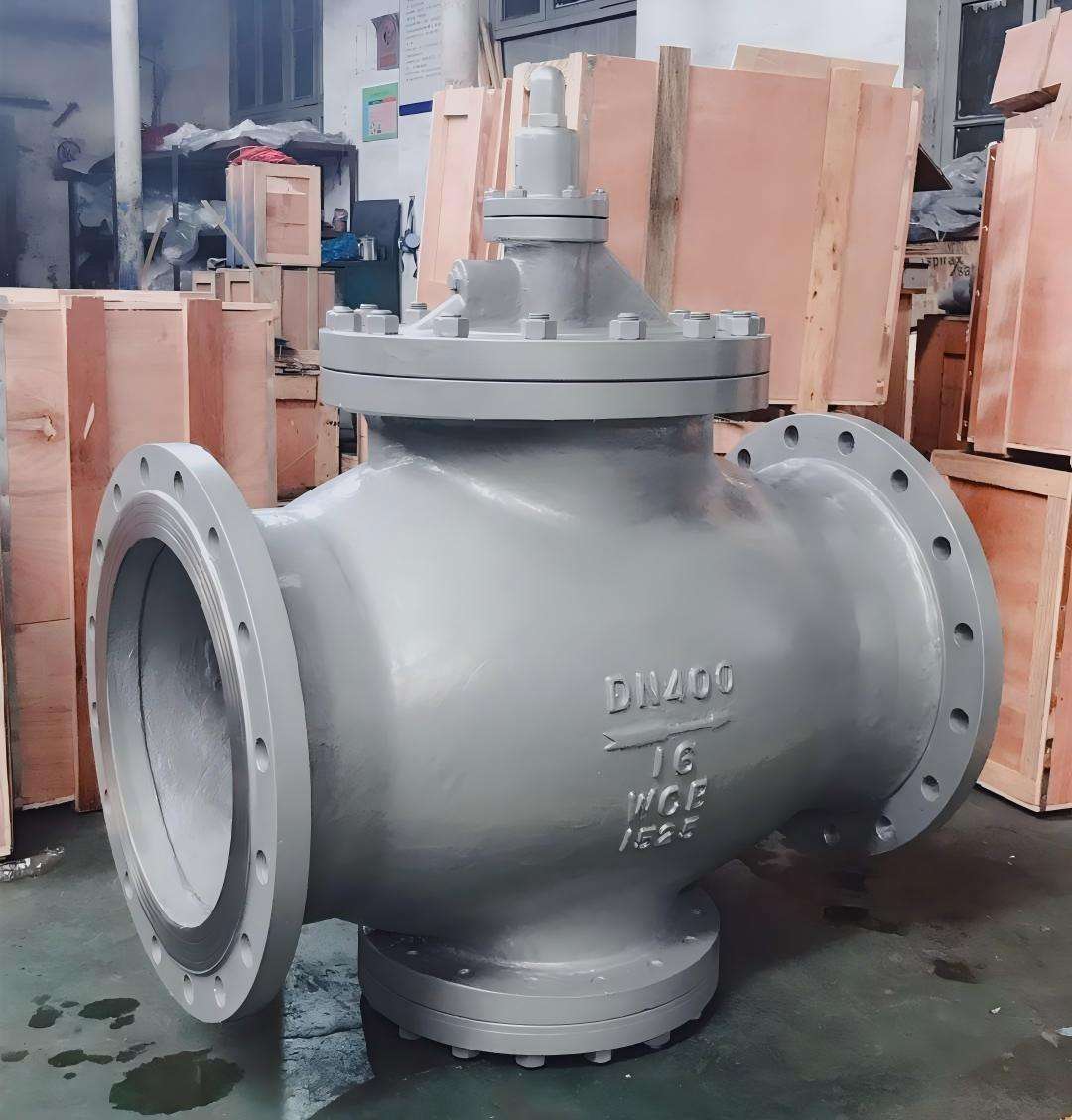
Stable 3-axis equipment can support lower setup cost, more repeatable scheduling and better unit economics for recurring production orders.
When to upgrade from 3-axis to general 5-axis
When a part has clear multi-face machining requirements, deep cavities, local complex surfaces or high sensitivity to repeated setups, general 5-axis machining becomes the safer route.
If 3-axis machining relies on repeated flipping and re-clamping for these structures, accumulated errors can be amplified, setup-related scrap risk can increase and every face change adds machine stoppage and adjustment time.
In these cases, we recommend general 5-axis machining to complete more surfaces in one setup. This reduces error sources, lowers dependence on manual setup experience and makes inspection datums and assembly references more traceable.
General 5-axis is better suited for local complex surfaces, angled holes, multi-face mounting bases and structural components with strict relative-position requirements. Typical examples include frame corner parts with mounting holes on several faces, fixture bodies requiring multi-face mating, housings with angled guide structures and local curved flow-directing components.
For fully freeform surfaces, aero blades, blisks and parts with extremely demanding profile accuracy and surface finish, we classify them as high-end 5-axis work and plan them as separate engineering projects with additional tooling, toolpath and inspection resources.
If you want us to judge whether your parts should move from 3-axis to 5-axis, please mark critical dimension chains, assembly datums and the areas most sensitive to relative-position accuracy when uploading your 3D model. We will show which features can be handled safely by 3-axis and which are better completed in one 5-axis setup, together with cost and risk comparisons.
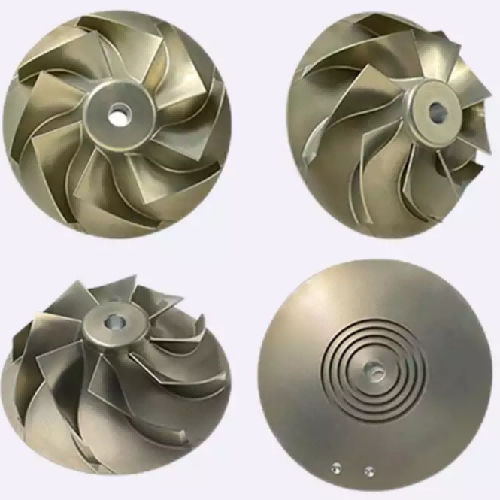
General 5-axis support is more suitable when setup count, local complex surfaces and relative-position control become the real production risk.
Typical applications for 3-axis and general 5-axis routing
Automation equipment structural parts, frame connectors, base plates, trays and installation plates are usually ideal for 3-axis machining, while multi-face assembly parts and local complex-surface parts are better served by general 5-axis.
For automation equipment structural parts, frame connectors, base plates, trays and mounting plates, 3-axis machining is sufficient in most cases to meet dimensional accuracy, perpendicularity and flatness requirements. With standardized fixtures and optimized toolpaths, single-part machining time can be reduced while key dimensions stay under control, creating a clear overall cost advantage for repeat orders and annual-demand programs.
For parts with multi-face assembly requirements, angled holes, angled surfaces or local complex curves, general 5-axis machining is often the better route because it reduces setups and improves control of relative-position accuracy. Typical cases include multi-face mounting bases, fixture bodies, complex housing cavities and local curved guide structures.
These projects are not judged only by whether one isolated dimension can pass. The real concern is accumulated error, assembly repeatability and batch consistency, so process planning needs to consider the combination of 3-axis and 5-axis from the start instead of choosing solely by single-part price.
When uploading drawings, you can briefly describe the mechanism the part belongs to, the main assembly target and which side is most sensitive. We will then suggest a process route that is more safety-oriented or more cost-oriented and explain the risks if only 3-axis is used.
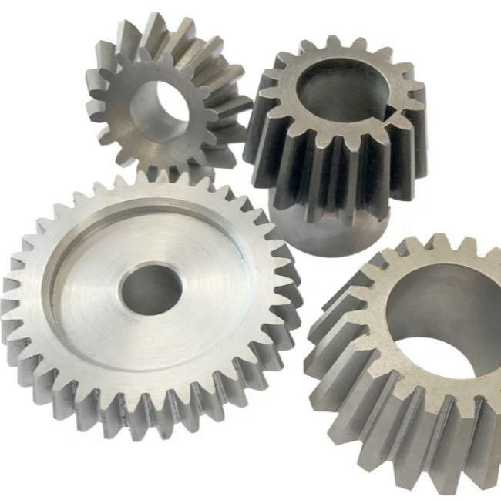
Application matching should be based on geometry, assembly relationships, setup sensitivity and repeat-order requirements rather than on single-part price alone.
A brief and controlled note on high-end 5-axis capability
For highly complex aero-grade surfaces, precision blades, complex freeform molds or parts with very demanding profile and surface requirements, we can also support dedicated high-end 5-axis projects.
With advanced 5-axis equipment, refined tooling strategy and higher-level inspection systems, these projects can be controlled for profile deviation, surface roughness and geometric tolerances across prototype, low-volume and production phases while keeping process traceability.
However, these projects belong to a high-engineering-input and high-technical-threshold category. We plan process validation, trial cuts and inspection strategy separately rather than mixing them into the same workflow as regular batch 3-axis parts.
In day-to-day order intake, we prefer to keep high-end 5-axis resources focused on parts that genuinely need them, while standard parts and structural components remain in the 3-axis and general 5-axis system. This creates a more practical supply strategy where high-value complex projects stay tightly controlled and regular projects stay cost-manageable.
If your parts involve complex freeform surfaces, aero-grade profile requirements or special control of surface roughness and residual stress, you can add “high-end 5-axis evaluation” in the RFQ note so our engineers can arrange a dedicated review and discuss the most suitable validation path and staged investment.
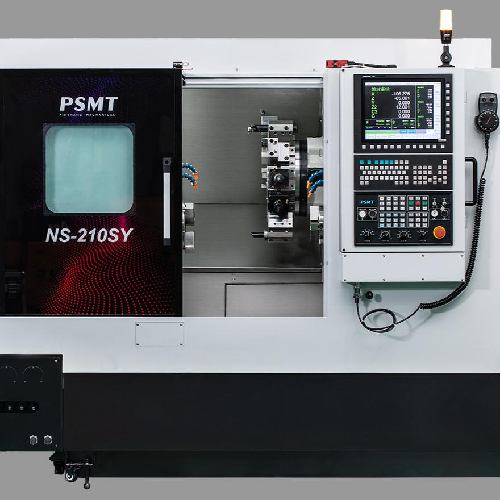
High-end 5-axis projects are treated as dedicated engineering programs, not as a default solution for regular structural parts.
How we help you choose the right route before RFQ approval
You do not need to decide “3-axis or 5-axis” perfectly before submitting your RFQ. What really determines the route is part function, critical dimension chains, assembly relationships, target volume and your priority order for cost, delivery and risk.
Our engineering team evaluates 3-axis, general 5-axis and, when necessary, high-end 5-axis options against actual machine capability, programming strategy, fixture planning and inspection resources. We explain how each route differs in cost, lead time and risk instead of defaulting to the highest configuration.
In practice, we first consider how to reduce overall cost through 3-axis capacity while still meeting accuracy requirements under a reasonable process plan. Only then do we introduce general or advanced 5-axis for the features most sensitive to accumulated error or structural complexity, so the final route still supports three essential goals: machinable, repeatable and deliverable on time.
Upload drawings to receive 3-axis / 5-axis process recommendations and a quotation range.
We support the full collaboration path from sample validation and low-volume trial production to batch supply, and the capacity mix between 3-axis and 5-axis can be adjusted by project stage so your engineering and purchasing teams can plan under one consistent process logic.
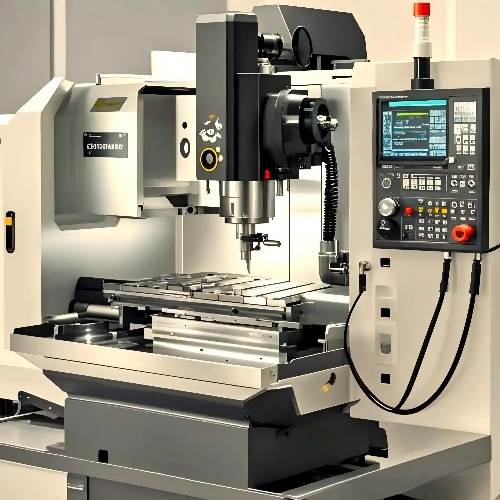
The best RFQ discussion starts from function, critical tolerances and assembly logic, not from choosing the most expensive process first.
Equipment and quality control
We do not just machine parts — we also measure them properly and document them for internal verification and customer-side inspection review.
For batch structural parts and standard mechanical components, repeatability is determined not only by whether one machine can make the part, but by whether the whole process chain can be reused in a stable way. We support long-term supply with stable 3-axis machining centers such as Okuma and Mazak, along with precision equipment and CMM inspection resources at the 0.001–0.005 mm level.
Under an ISO 9001 system, we create process cards and key-dimension lists for every project. First-article stages focus on functional dimension chains and assembly datums, while mass production stages focus on batch-to-batch variation control.
With Zeiss CMM, coordinate measurement, projectors, height gauges, plug gauges and ring gauges, we can provide first-article reports, batch sampling records or full inspection data according to customer requirements to support incoming inspection and assembly validation.
Typical dimensional accuracy: IT6–IT7 / Ra0.8–3.2μm.
Equipment: X 3-axis machining centers + general 5-axis capability.
Inspection: CMM / height gauges / plug gauges / ring gauges as required.
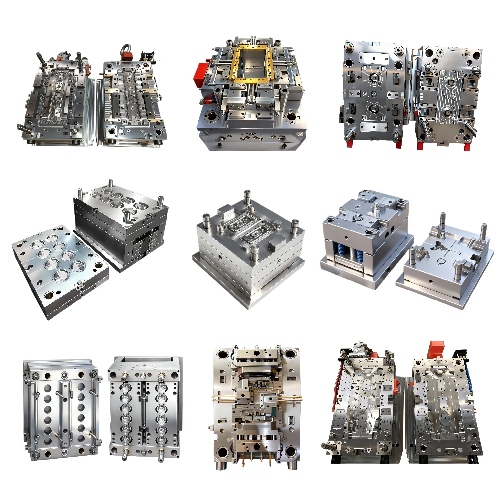
Inspection capability is part of the process route itself because repeat supply needs measurable and reportable results, not just machinable geometry.
RFQ preparation checklist and response commitment
Tell us what to review, and we will tell you how fast we can respond.
To judge the 3-axis or 5-axis process path more quickly and provide a more useful quotation range, we recommend including at least the following information when uploading drawings:
– 3D model + 2D drawings, with key dimensions, tolerances and surface finishing requirements marked;
– Expected batch size, annual demand range and target delivery timing;
– Key assembly relationships, special fit-sensitive dimensions or functional surfaces;
– Required material grade, company standards or inspection requirements such as CMM reports and full / sampling inspection ratios.
After receiving complete information, we can usually provide initial feasibility and quotation feedback for standard structural parts within 24 hours. For complex components involving multi-face assembly or requiring general 5-axis evaluation, our engineering team will usually complete process analysis and confirm key assumptions within 48 hours so that later price and lead-time commitments stay closer to reality.