-1-1-2-126x39.png)
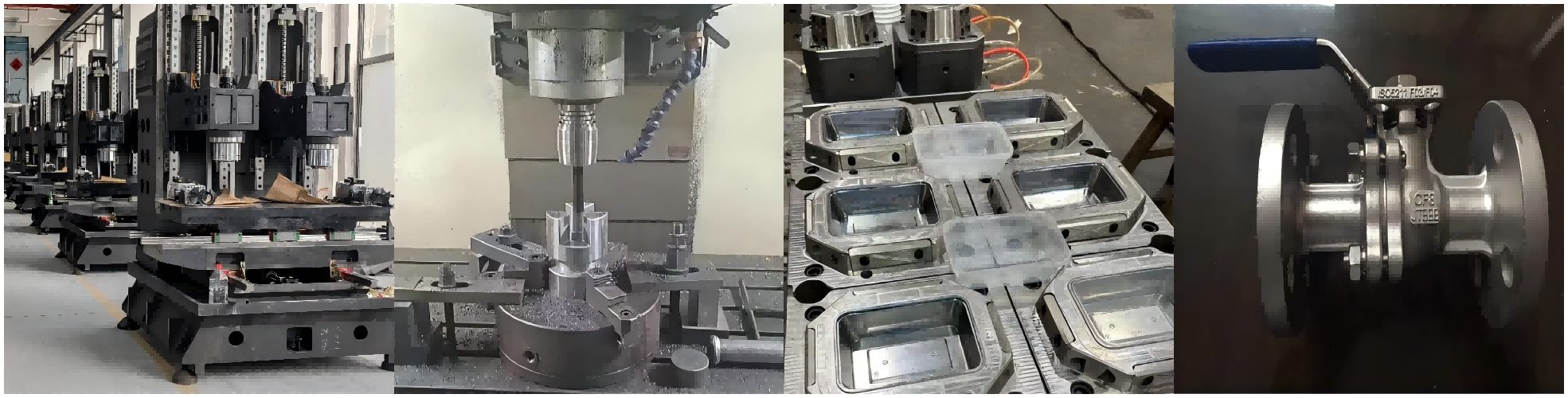
3-axis CNC components manufacturing
3-axis CNC parts manufacturing | Precision custom machining | 1–7 day delivery
We provide 3-axis CNC parts manufacturing services for plates, brackets, housings, flanges, and standard structural components. Multiple metals and engineering plastics are supported, with 24-hour quotation response and stable delivery for both prototypes and batch orders.
- Suitable for standard and medium-complexity parts
- Supports from 1-piece sampling to stable batch delivery
- Regular projects receive quote feedback within 24 hours
- Typical prototypes in 1–3 days and regular batches in 5–10 days
- Inspection support and reports are available for critical dimensions
View complete 3-axis CNC manufacturing introduction
We provide global industrial customers with precision 3-axis CNC machining services for plate parts, brackets, housings, flanges, connectors, and many types of standard structural components. Based on drawing geometry, material behavior, tolerance requirements, and order quantity, we recommend a 3-axis process route that better supports cost control and stable batch delivery.
If your project mainly involves flat parts, brackets, flanges, mounting plates, housings, and general structural components, and you want to control unit cost while keeping delivery stable, 3-axis CNC machining is one of the most practical options. You can upload drawings and specify material, quantity range, tolerance requirements, and target lead time, and we will match a more suitable process route and cost range for your project from prototype validation to long-term supply.
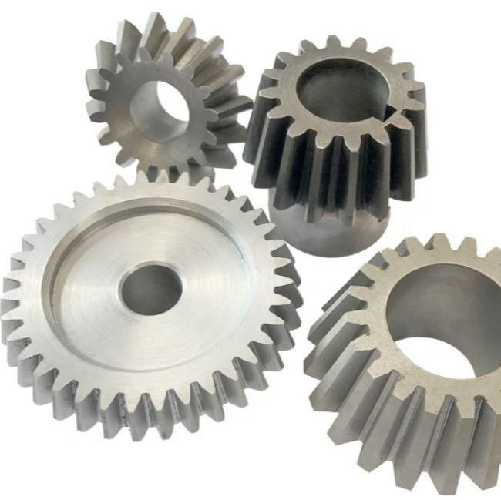
What is 3-axis CNC machining?
3-axis CNC machining is a cutting process in which the tool moves along the X, Y, and Z linear axes. It is suitable for most flat structures, hole features, profile milling, slot machining, and standard cavity parts.
For parts with clear geometry that can be completed from one main side or after simple re-fixturing, 3-axis machining is usually the more cost-effective and repeatable production choice.
Compared with multi-axis machining, 3-axis CNC is better suited to continuous sourcing of standard industrial parts, assembly structures, mounting plates, connection flanges, equipment brackets, and standard functional components. If the part does not require complex freeform surfaces or one-setup completion across multiple faces, 3-axis often gives better control of unit cost and lead time while still meeting function and dimensional requirements.
View full 3-axis machining explanation
For parts with clear geometry that can be completed from one main side or after simple re-fixturing, 3-axis machining is usually the more cost-effective and repeatable production choice.
Compared with multi-axis machining, 3-axis CNC is better suited to continuous sourcing of standard industrial parts, assembly structures, mounting plates, connection flanges, equipment brackets, and standard functional components. If the part does not require complex freeform surfaces or one-setup completion across multiple faces, 3-axis often gives better control of unit cost and lead time while still meeting function and dimensional requirements.
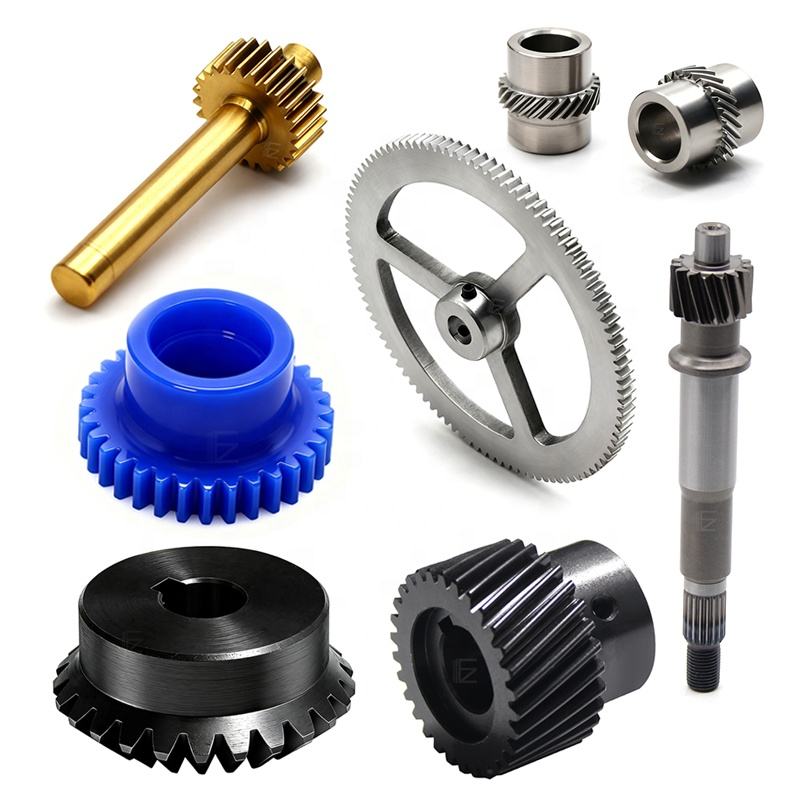
Which projects are suitable for 3-axis CNC parts?
3-axis CNC is especially suitable for parts with relatively clear geometry, stable machining paths, and high demand for repeatability across recurring orders.
For international sourcing teams, these parts are easier to place into long-term supply because the process is mature, risk is more controllable, and delivery rhythm is easier to standardize.
Plate parts and mounting structures
Typical examples include mounting plates, connection plates, reinforcement plates, equipment base plates, and fixing plates. These parts usually depend on flatness, hole position accuracy, thread quality, and mounting-face consistency, and 3-axis machining performs reliably in both prototype and repeat-batch supply.
Brackets and connectors
L-shaped brackets, mounting seats, connecting blocks, locating parts, and support components are common in automation equipment, industrial modules, and assembly systems. For structural parts with clear hole spacing, assembly faces, and boundary dimensions, 3-axis offers a practical balance between cost and output efficiency.
Housings, flanges, and medium-complexity functional parts
3-axis is also suitable for regular housings, end covers, flanges, interface bases, cavity features, slots, countersinks, tapping holes, and datum faces, as long as the drawing does not involve complex freeform surfaces, deep undercuts, or continuous multi-angle linkage.
View complete project-fit details
For international sourcing teams, these parts are easier to place into long-term supply because the process is mature, risk is more controllable, and delivery rhythm is easier to standardize.
Typical examples include mounting plates, connection plates, reinforcement plates, equipment base plates, and fixing plates. These parts usually depend on flatness, hole position accuracy, thread quality, and mounting-face consistency, and 3-axis machining performs reliably in both prototype and repeat-batch supply.
L-shaped brackets, mounting seats, connecting blocks, locating parts, and support components are common in automation equipment, industrial modules, and assembly systems. For structural parts with clear hole spacing, assembly faces, and boundary dimensions, 3-axis offers a practical balance between cost and output efficiency.
3-axis is also suitable for regular housings, end covers, flanges, interface bases, cavity features, slots, countersinks, tapping holes, and datum faces, as long as the drawing does not involve complex freeform surfaces, deep undercuts, or continuous multi-angle linkage.
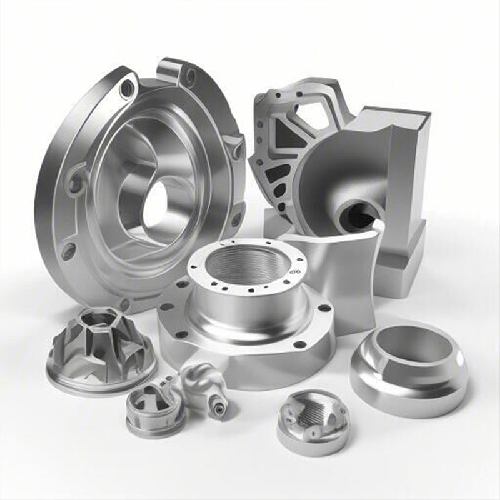
Our 3-axis CNC manufacturing capability
We provide 3-axis CNC manufacturing services for standard precision parts and medium-complexity industrial components, covering one-piece samples, pilot batches, and continuous production supply.
- Machining scope: Plane milling, outer profiles, hole patterns, threads, countersinks, slots, simple cavities, and re-fixtured structural machining.
- Typical tolerance capability: According to your current site expression, the applicable precision range for 3-axis machining can be written as ±0.02 mm to ±0.05 mm. Critical features and fit areas should still be reviewed according to material, geometry, and inspection requirements.
- Order types: From 1-piece sample orders and pilot builds to 1000+ piece batch production for recurring parts.
- Lead time: Typical prototypes in 1–3 days and regular batches in 5–10 days. Complex projects should be confirmed according to material sourcing, finishing, inspection scope, and order quantity.
View complete manufacturing capability details
We provide 3-axis CNC manufacturing services for standard precision parts and medium-complexity industrial components, covering one-piece samples, pilot batches, and continuous production supply.
- Machining scope: Plane milling, outer profiles, hole patterns, threads, countersinks, slots, simple cavities, and re-fixtured structural machining.
- Typical tolerance capability: According to your current site expression, the applicable precision range for 3-axis machining can be written as ±0.02 mm to ±0.05 mm. Critical features and fit areas should still be reviewed according to material, geometry, and inspection requirements.
- Order types: From 1-piece sample orders and pilot builds to 1000+ piece batch production for recurring parts.
- Lead time: Typical prototypes in 1–3 days and regular batches in 5–10 days. Complex projects should be confirmed according to material sourcing, finishing, inspection scope, and order quantity.
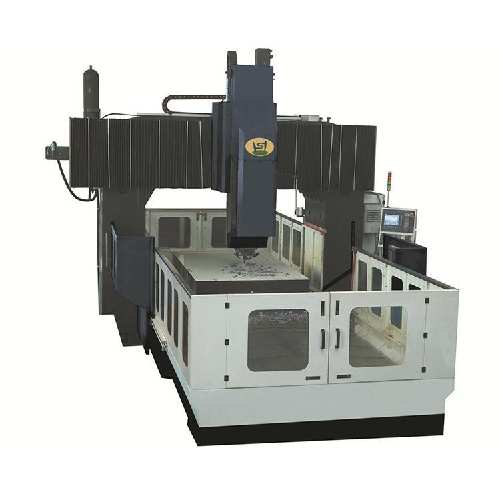
Machinable materials for 3-axis CNC parts
We support many common metals and engineering plastics and can help buyers compare strength, corrosion resistance, weight, cost targets, and functional requirements before choosing the most suitable material route.
Aluminum alloys
Common grades include 6061, 7075, and 2024 for lightweight structures, fixtures, equipment parts, and medium- to high-efficiency batch programs.
Stainless steel, carbon steel, and alloy steel
Typical stainless grades include 304, 316L, 420, and 17-4PH. Carbon and alloy steels are suitable for regular machine structures, load-bearing parts, and basic industrial components, with process planning coordinated around later heat treatment or surface requirements.
Titanium, engineering plastics, and copper alloys
Titanium can be reviewed for higher strength-to-weight and corrosion performance needs. Engineering plastics such as POM, nylon, and PEEK fit insulation, low-friction, and chemical-resistance uses. Copper and copper alloys are suitable for conductivity, heat transfer, or decorative requirements.
View complete material selection guidance
We support many common metals and engineering plastics and can help buyers compare strength, corrosion resistance, weight, cost targets, and functional requirements before choosing the most suitable material route.
Common grades include 6061, 7075, and 2024 for lightweight structures, fixtures, equipment parts, and medium- to high-efficiency batch programs.
Typical stainless grades include 304, 316L, 420, and 17-4PH. Carbon and alloy steels are suitable for regular machine structures, load-bearing parts, and basic industrial components, with process planning coordinated around later heat treatment or surface requirements.
Titanium can be reviewed for higher strength-to-weight and corrosion performance needs. Engineering plastics such as POM, nylon, and PEEK fit insulation, low-friction, and chemical-resistance uses. Copper and copper alloys are suitable for conductivity, heat transfer, or decorative requirements.
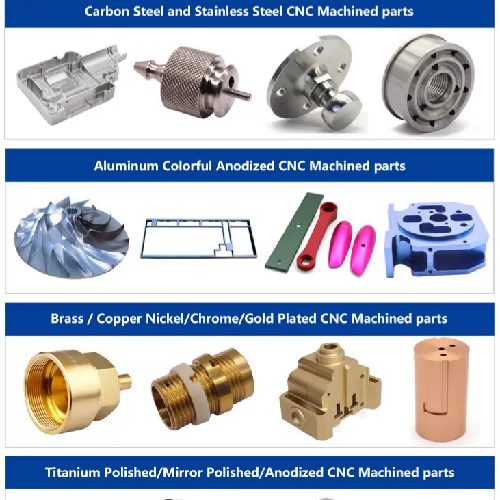
Why many standard parts are better suited to 3-axis machining
Not every part needs 5-axis machining. For parts with regular geometry, clear fixturing paths, and no demanding freeform surfaces, 3-axis machining usually aligns better with practical sourcing and manufacturing logic because it meets function requirements while avoiding unnecessary process complexity and cost.
From a supply-stability perspective, 3-axis machining is more mature for repeat production of standard parts, which makes it better suited for recurring purchase orders and phased volume release. For general industrial equipment, automation structures, electronics mounting parts, and many assembly components, 3-axis is often the more practical route.
View full 3-axis versus 5-axis judgment logic
From a supply-stability perspective, 3-axis machining is more mature for repeat production of standard parts, which makes it better suited for recurring purchase orders and phased volume release. For general industrial equipment, automation structures, electronics mounting parts, and many assembly components, 3-axis is often the more practical route.
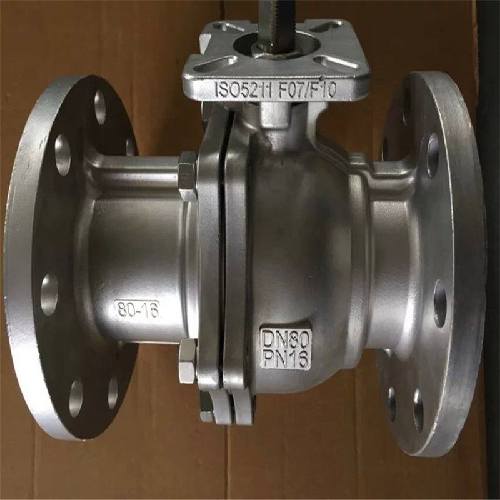
How we control quality and delivery risk
Quality control should not begin only at final shipment. It should form a closed loop from incoming material confirmation to in-process checks, final inspection, and supporting inspection documents, so buyers can evaluate the result as a deliverable manufacturing outcome rather than simple machining work.
Incoming material confirmation
We verify material specification, base condition, and machinability according to drawing and order requirements to reduce downstream issues caused by material deviation.
Process control and final inspection
We check and record key operations, datum faces, and critical dimensions during machining, then confirm size, appearance, holes, threads, assembly datums, and the priority items on the drawing before shipment.
Inspection support and documents
Critical-dimension projects can be supported with CMM inspection, first-article confirmation, and dimensional reports. Material certificates and related documents can be coordinated according to project requirements.
View complete quality and inspection explanation
We verify material specification, base condition, and machinability according to drawing and order requirements to reduce downstream issues caused by material deviation.
We check and record key operations, datum faces, and critical dimensions during machining, then confirm size, appearance, holes, threads, assembly datums, and the priority items on the drawing before shipment.
Critical-dimension projects can be supported with CMM inspection, first-article confirmation, and dimensional reports. Material certificates and related documents can be coordinated according to project requirements.
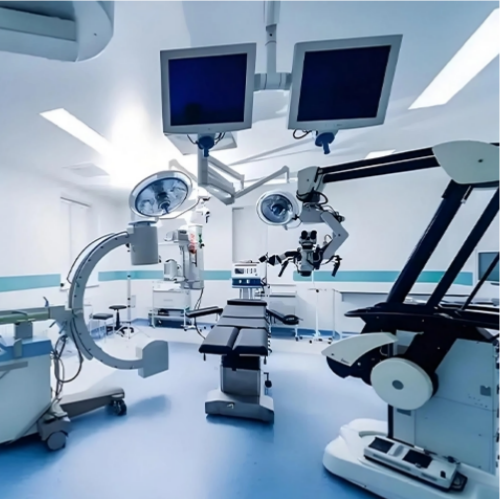
Typical industries and common 3-axis applications
Our 3-axis CNC parts manufacturing service is suitable for industrial customers that care about delivery efficiency, structural consistency, and procurement cost, especially where standard structural parts and assembly components need stable manufacturing support.
Automation equipment and general industry
Suitable for brackets, mounting seats, module connectors, locating parts, flanges, base plates, housings, support parts, and standard functional components.
Semiconductor, electronics, medical, and instruments
Suitable for mounting plates, precision structures, heat dissipation parts, support components, connectors, and small to medium-sized precision metal or plastic parts, with project review based on cleanliness, surface quality, and dimensional requirements.
View complete industry application details
Suitable for brackets, mounting seats, module connectors, locating parts, flanges, base plates, housings, support parts, and standard functional components.
Suitable for mounting plates, precision structures, heat dissipation parts, support components, connectors, and small to medium-sized precision metal or plastic parts, with project review based on cleanliness, surface quality, and dimensional requirements.
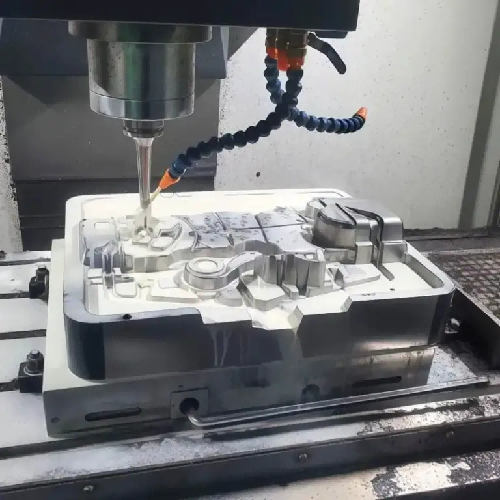
When should you choose 3-axis instead of 5-axis?
If the main part features can be completed from one side or after limited re-fixturing, and the part does not require complex freeform surfaces, deep-cavity interference avoidance, or continuous multi-angle machining, 3-axis is usually the more reasonable choice.
If the part involves complex surfaces, strong positional relationships across many faces, strict reduction of fixturing error, or a requirement to improve overall consistency through one setup, it becomes more appropriate to assess a 5-axis route. Clear process judgment improves credibility because buyers trust suppliers who also explain when not to use a process.
View full process selection guidance
If the part involves complex surfaces, strong positional relationships across many faces, strict reduction of fixturing error, or a requirement to improve overall consistency through one setup, it becomes more appropriate to assess a 5-axis route. Clear process judgment improves credibility because buyers trust suppliers who also explain when not to use a process.
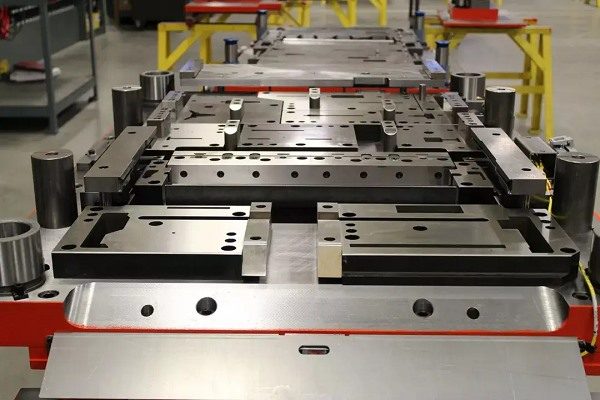
How we move the project forward after you upload drawings
To improve review efficiency, we recommend that buyers submit drawing files together with material, quantity, tolerance, surface finish, inspection requirements, and target lead time information.
Submit drawings and requirements
We support STEP, STP, IGS, X_T, DWG, PDF, JPG, and PNG formats. It is helpful to also state part function, quantity range, critical tolerances, and destination country.
Engineering review
We review drawing structure, machining features, fixturing method, material behavior, and inspection scope to judge whether 3-axis machining is the most suitable route.
Quote, lead time, prototype, and batch release
We combine material cost, process route, quantity, finishing, and quality requirements into a more executable quotation and delivery suggestion, then move into prototype, pilot batch, or volume supply after confirmation.
View complete RFQ submission guidance
We support STEP, STP, IGS, X_T, DWG, PDF, JPG, and PNG formats. It is helpful to also state part function, quantity range, critical tolerances, and destination country.
We review drawing structure, machining features, fixturing method, material behavior, and inspection scope to judge whether 3-axis machining is the most suitable route.
We combine material cost, process route, quantity, finishing, and quality requirements into a more executable quotation and delivery suggestion, then move into prototype, pilot batch, or volume supply after confirmation.
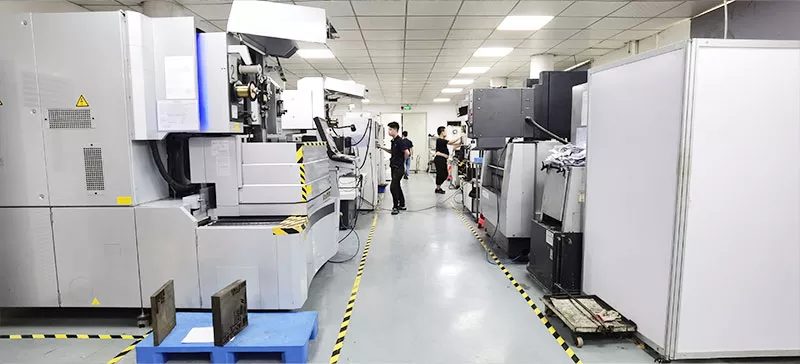
Why global sourcing teams choose us for 3-axis CNC projects
We do not rely on vague claims about high-end manufacturing. We focus on manufacturing coordination that helps projects move forward more smoothly, especially for sample validation, cost control on standard structural parts, recurring supply, and clear international communication.
For buyers, the real question is not only whether a factory can machine a part, but whether it can keep delivering the same part reliably over time. That is why this page emphasizes response speed, material fit, inspection support, prototype-to-batch continuity, and clearer process judgment for 3-axis applications.
View complete sourcing value explanation
We do not rely on vague claims about high-end manufacturing. We focus on manufacturing coordination that helps projects move forward more smoothly, especially for sample validation, cost control on standard structural parts, recurring supply, and clear international communication.
For buyers, the real question is not only whether a factory can machine a part, but whether it can keep delivering the same part reliably over time. That is why this page emphasizes response speed, material fit, inspection support, prototype-to-batch continuity, and clearer process judgment for 3-axis applications.
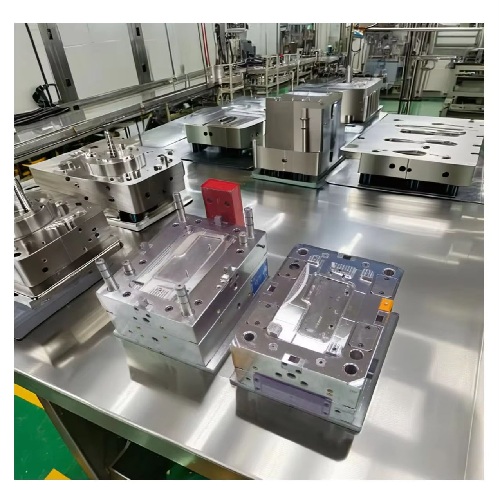
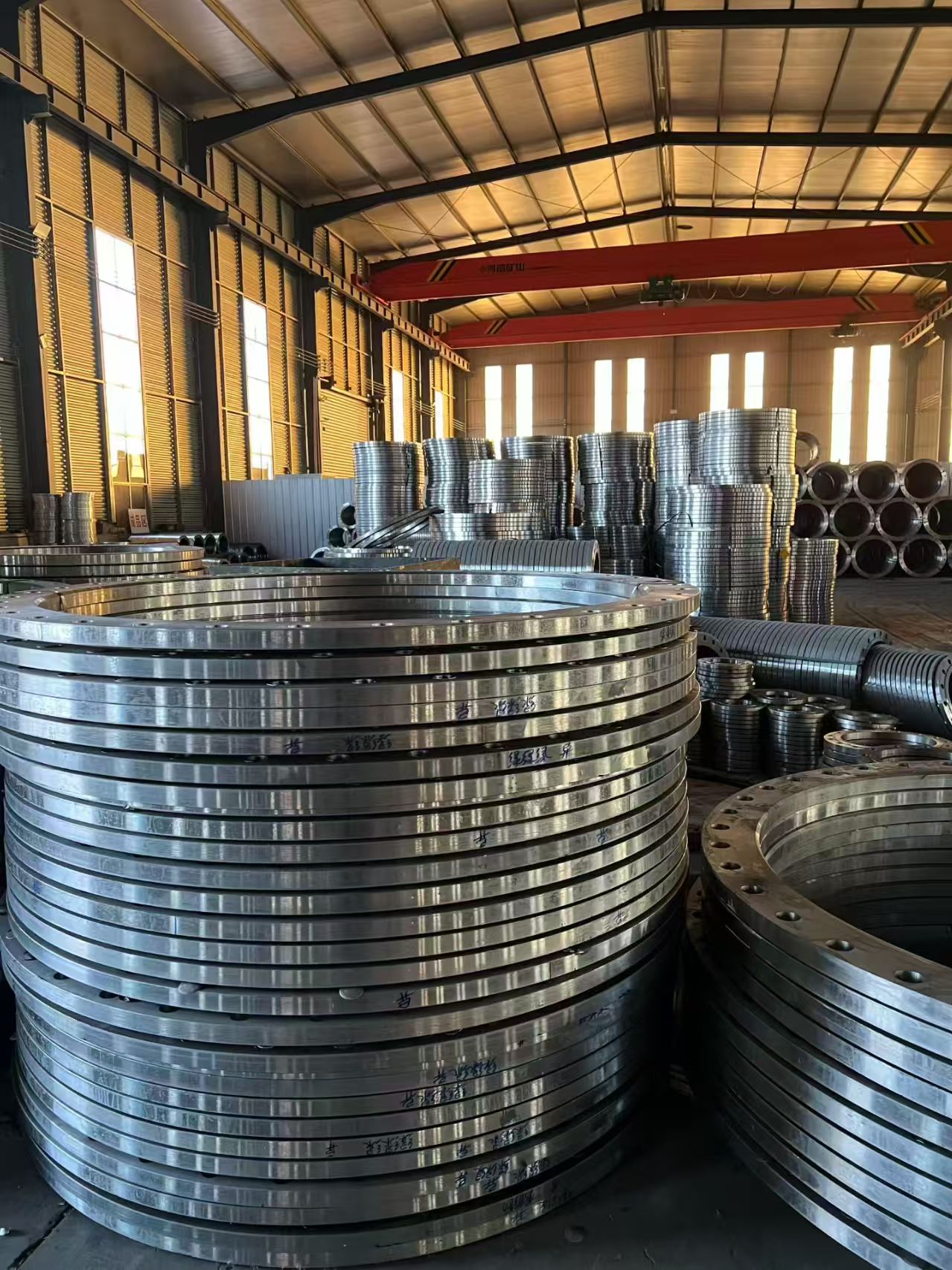
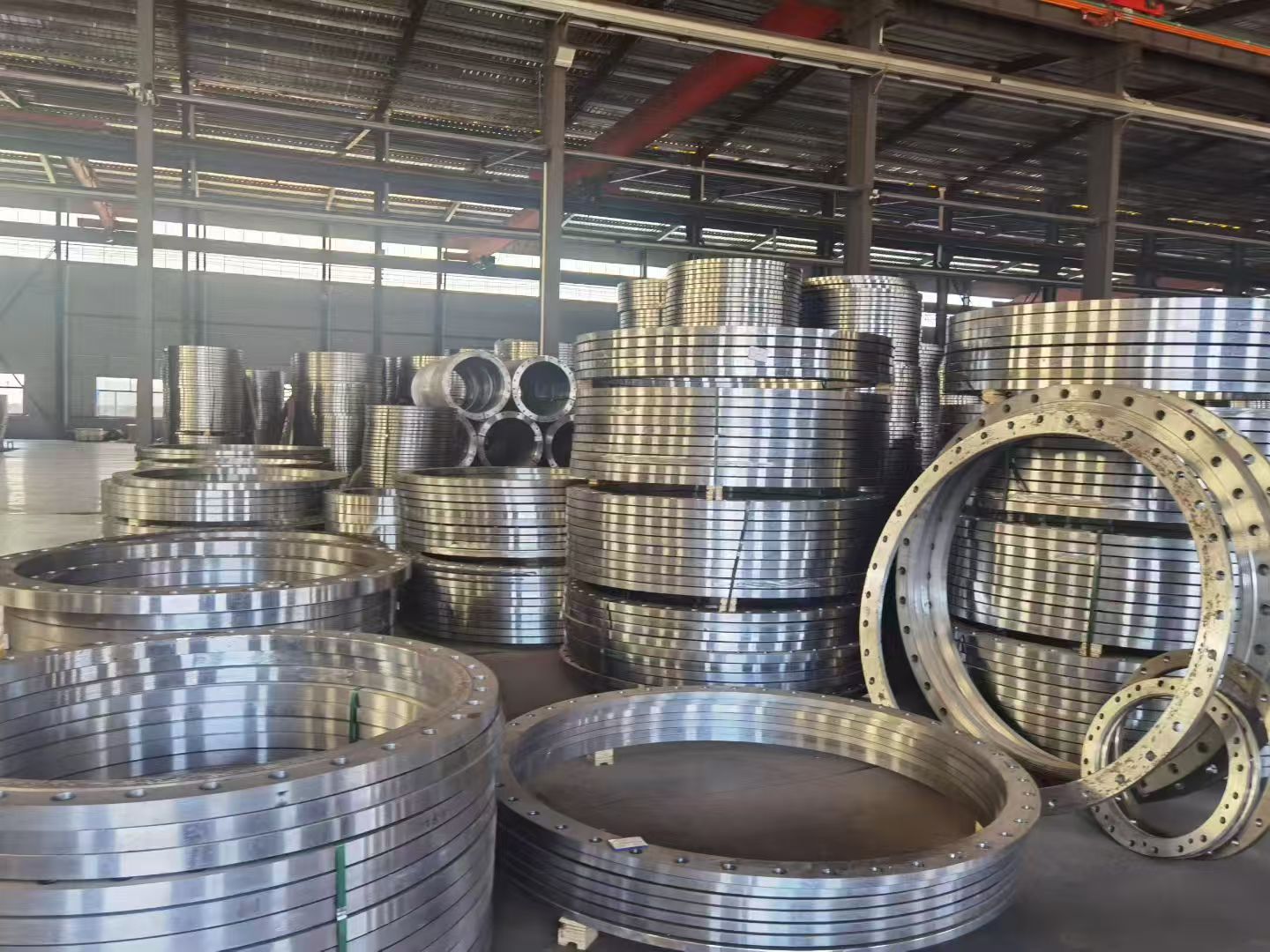
Stable 3-Axis Machining Environment
For many standard industrial parts, stable setup, repeatable machining conditions, and organized workshop support are as important as machine specifications.