-1-1-2-126x39.png)
5-axis CNC Machined Components for Complex, High-Precision Mechanical Parts
We provide 5-axis CNC machining and precision mechanical component manufacturing for global customers who need complex, high-accuracy custom parts for demanding assemblies, validation programs, and repeat production.
Our service is built for aerospace-grade aluminum components, medical titanium parts, high-precision gearbox components, automation equipment parts, and other critical parts with complex curved surfaces, deep cavities, angled holes, undercuts, and multi-face machining requirements.
Whether you need prototype samples, low-volume pilot runs, or stable long-term batch delivery, we build a manufacturable process route around your 2D drawings, 3D models, GD&T callouts, tolerance requirements, material specifications, and real application conditions.
For parts that require single-set-up machining, complex geometry control, and long-term assembly consistency, you can submit drawings or 3D files with GD&T, tolerance notes, mating relationships, and expected volume. We review fixture strategy, tool path logic, inspection datum planning, and batch stability before production moves forward.
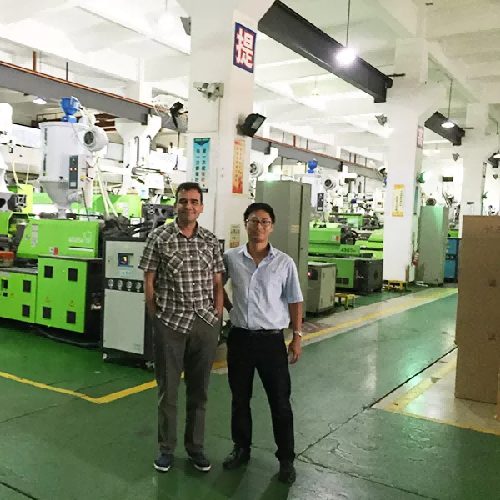
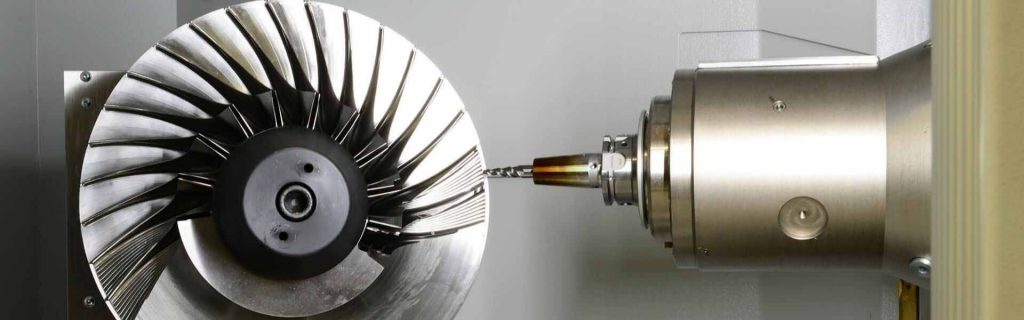
5-axis CNC capability for complex geometry and tight-tolerance requirements
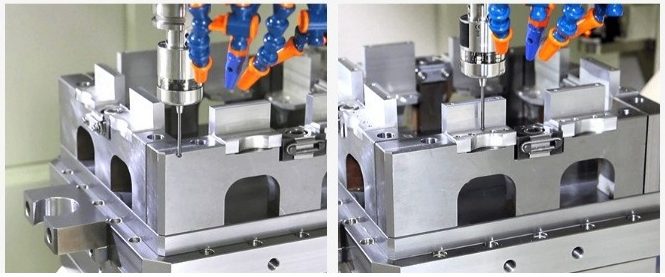
The core value of 5-axis machining is to reduce cumulative error from repeated set-ups and complete more multi-angle features in a single fixture strategy.
This makes 5-axis CNC machining more suitable for complex freeform surfaces, irregular cavities, angled holes, chamfer boundaries, and integrated parts that demand higher dimensional accuracy and better surface continuity.
For precision mechanical components that require strong control of concentricity, position, profile, and surface finish, 5-axis machining often provides a shorter and more stable process chain than conventional 3-axis or multi-transfer machining routes.
In real sourcing decisions, customers care more about measurable outcomes than machine labels. By using 5-axis machining, we help reduce set-up error, improve difficult geometry accuracy, shorten prototype and pilot timelines, and support flexible transition from sample quantity to repeat batch production.
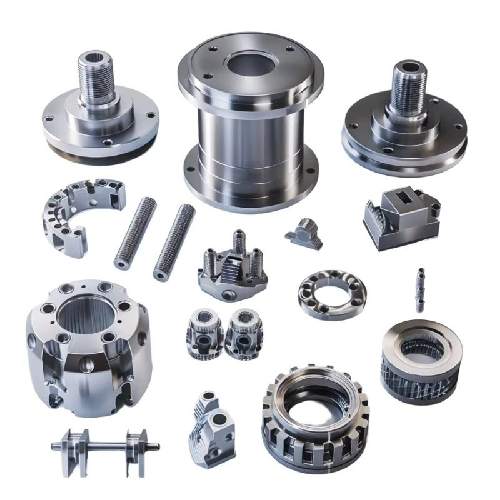
Better control on multi-face and complex-surface parts
5-axis machining is especially effective for parts that combine curved surfaces, angled features, deep pockets, and one-part integrated geometry, because it gives the tool more flexible approach paths and reduces repositioning dependency.
For projects with strict profile control and stable assembly interfaces, this translates into better consistency across critical surfaces and less correction work during downstream fitting and validation.
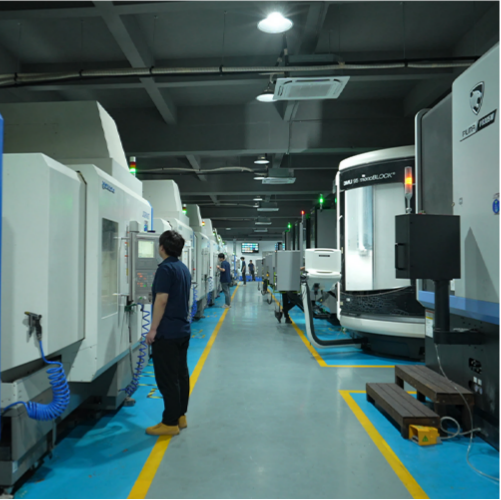
More suitable for gearbox components and critical mating features
High-precision gearbox components and transmission-related parts often require stable control of profile accuracy, mating positions, and surface transitions, which is where 5-axis machining provides a practical process advantage.
For customers sourcing integrated gearbox housings, mounting bases, and functional transmission parts, the goal is not only to machine the part once, but to keep repeatability stable across prototype, pilot, and scheduled batch releases.
Core materials: aerospace-grade aluminum, medical titanium, stainless steel, tool steel, and engineering plastics
Material selection directly affects part performance, safety margin, service life, and downstream finishing strategy in high-end precision manufacturing projects.
We help match materials and machining routes based on operating environment, weight targets, strength requirements, corrosion resistance, and finishing expectations, so the manufacturing plan supports both function and delivery risk control.
For this page, aerospace-grade aluminum machining and medical titanium component manufacturing deserve priority because they signal high-value capability and attract better-fit RFQs from aerospace, medical, and advanced equipment buyers.
| Material type | Recommended keyword phrase | Typical part applications |
|---|---|---|
| Aerospace-grade aluminum | Aerospace-grade aluminum CNC machining | Lightweight structural parts, housings, brackets, frames |
| Medical titanium | Medical titanium component machining | Precision medical-related parts, equipment structural components |
| Stainless steel | Precision stainless steel mechanical parts | Shafts, connectors, corrosion-resistant working parts |
| Tool steel | High-hardness precision part machining | Mold components, wear-resistant parts, stamping support parts |
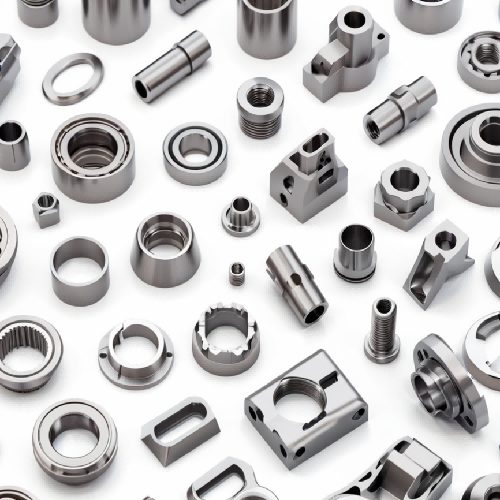
Aerospace-grade aluminum parts for lightweight, rigid structures
For complex structural parts that need lower weight without giving up machining precision, aerospace-grade aluminum remains one of the most relevant material groups for 5-axis CNC projects.
It is well suited for frames, supports, housings, and structural interfaces where weight control, profile quality, and reliable assembly all matter at the same time.
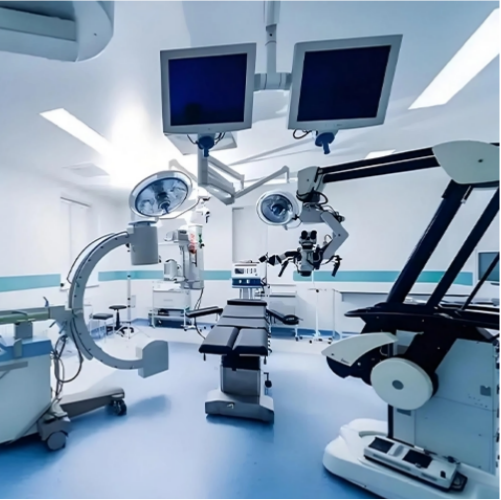
Medical titanium components for stable precision and high-value applications
Medical titanium parts are commonly chosen where structural reliability, corrosion resistance, and precision support are critical to the equipment or application environment.
For buyers in medical and advanced equipment sectors, this material category also signals a higher threshold for process control, handling discipline, and quality verification.
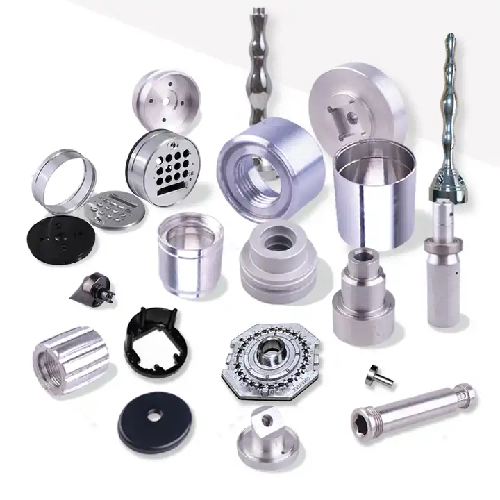
Typical 5-axis CNC products: gearbox parts, complex curved components, housings, fixtures, and automation equipment parts
Many buyers search by part name rather than process name, so this page should clearly show what kinds of components can actually be manufactured.
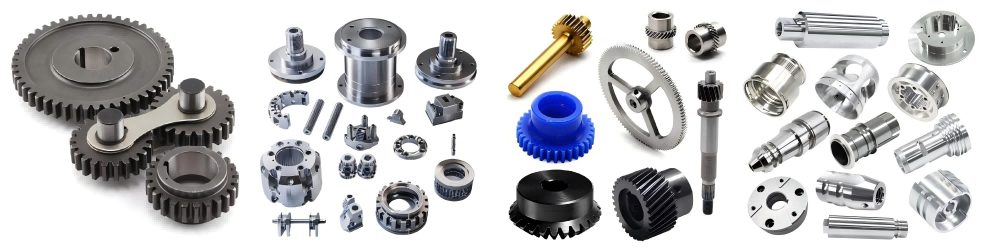
Our 5-axis CNC machined components include high-precision gearbox parts, transmission system parts, coupler-related components, precision brackets, cavity housings, complex impeller-like parts, fixture and jig components, and custom non-standard mechanical parts.
For integrated parts that require high mating accuracy, complex contour control, and stable repeat machining, 5-axis processing helps improve finished-part consistency and assembly reliability while reducing downstream fitting and rework cost.
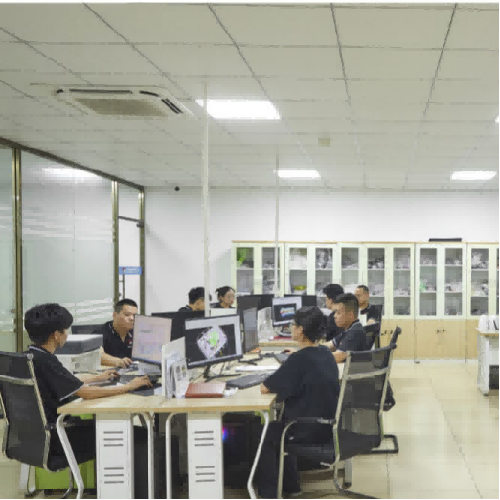
High-precision gearbox and transmission-related parts
These projects usually require reliable control of mounting faces, bearing-related interfaces, contour accuracy, and batch-to-batch repeatability for stable assembly performance.
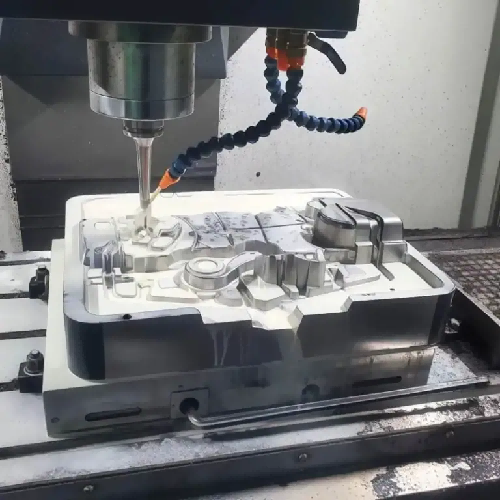
Automation equipment parts and integrated functional components
For automation and robotics projects, we machine precision flanges, mounting plates, brackets, enclosures, structural interfaces, and other functional parts that need stable dimensions and repeatable installation performance.
Why complex parts are more suitable for 5-axis simultaneous machining
Compared with traditional multi-operation processing, 5-axis machining can complete more faces with fewer set-ups and reduce error accumulation from repeated positioning.
This is especially relevant for precision mechanical parts with complex surfaces, angled holes, multi-angle chamfers, and deep cavities, where manual repositioning can increase geometry deviation risk.
For aerospace-grade aluminum structural parts, medical titanium components, and high-precision gearbox parts, 5-axis processing can improve local surface transitions, optimize cutting paths, and support better efficiency without weakening dimensional control.
With more flexible tool approach angles, 5-axis machining is also better suited for stable cutting in deep cavities, inclined faces, irregular boundaries, and visually critical surface areas.
More freedom in tool access, better stability on difficult features
When a part includes deep cavities, inclined faces, irregular edges, or higher surface-finish expectations, 5-axis tool motion creates more practical machining angles and can reduce unstable cutting behavior in difficult areas.
From drawing review to global delivery: 5-axis machined component manufacturing workflow
To reduce communication cost and lower evaluation barriers, we split the manufacturing process into clear steps so sourcing teams and engineers can understand the path from drawing submission to delivery.
Drawing and requirement submission
Upload 2D drawings and 3D files, then specify materials, quantity, tolerances, surface finishing, and application context. Common RFQ file types include STEP, STP, IGES, IGS, XT, DWG, DXF, PDF, JPG, and PNG.
Process and cost evaluation
Our engineering team reviews geometry complexity, 5-axis suitability, critical dimensions, and precision level, then gives DFM feedback with a recommended machining route and preliminary lead-time estimate.
Quotation and plan confirmation
We prepare a formal quotation based on material cost, machining time, fixture strategy, and inspection needs. After confirmation, the project moves to sampling or low-volume pilot production.
Sampling and process optimization
First articles or pilot parts are machined, inspected, and reviewed for fit or assembly performance. Tool paths, process parameters, and fixture plans are optimized where needed before volume release.
Batch production and global delivery
Once the process is stable, we organize scheduled batch production, controlled packaging, and delivery planning so 5-axis machined parts can be shipped reliably to global customer locations.
Precision part manufacturing is not only about machining, but about verifiable consistency
For high-end customers, making one part is only the first step. Long-term cooperation depends on whether the same critical features can be produced consistently across batches.
This is particularly important for aerospace-grade aluminum parts, medical titanium components, and high-precision gearbox parts, where assembly fit, service life, and reliability expectations are usually higher.
We focus not only on one-piece completion, but also on stable control of key dimensions, surface quality, and assembly consistency through drawing review, incoming inspection, in-process checks, critical-dimension recheck, and final inspection before shipment.
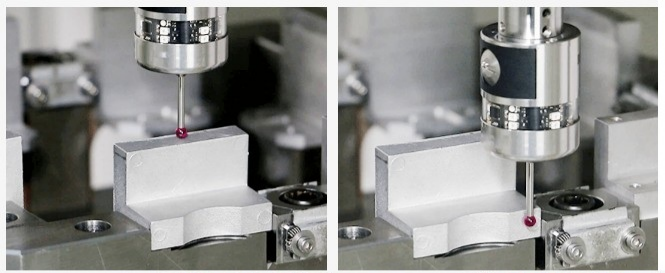
CMM inspection, process checks, and traceable verification logic
CMM and dimensional verification are important for checking critical geometry, profile features, and mating dimensions, especially when parts include difficult curves, pockets, radii, and other shape-sensitive features.
Applications in aerospace, medical, automation, robotics, and advanced equipment manufacturing
5-axis CNC machining is well suited for industries that require a combination of complex geometry, tight tolerance control, structural reliability, and repeat manufacturing discipline.
In aerospace, we support lightweight structural parts, complex frames, and high-precision mounting bases with aerospace-grade aluminum and high-strength alloy machining plans that balance weight control and rigidity.
In medical equipment, we focus on medical titanium components, precision connectors, and support structures where surface quality, stability, and traceable supply matter more.
In automation, robotics, and advanced equipment manufacturing, we machine gearbox components, transmission parts, flanges, installation plates, frames, housings, platforms, and fixture-related parts for ongoing project supply and upgrade programs.
Aerospace and high-performance structural programs
Suitable for lightweight structures, complex frames, support bases, and other parts where weight, rigidity, and geometry accuracy all need to be balanced in one project.
Medical equipment and advanced precision assemblies
Suitable for medical titanium components, precision connection parts, support structures, and other parts that require stable manufacturing discipline and clean, reliable part performance.
Automation, robotics, gearbox, and equipment part supply
Suitable for gearbox parts, transmission interfaces, automation equipment parts, installation plates, structural housings, and custom machined parts needed for repeat project execution.
Common questions about 5-axis CNC machined components
Below are the most common buyer-side questions about part suitability, materials, process advantages, and drawing-based customization.
Upload drawings for a 5-axis machining review, formal quotation, or alloy-part manufacturing discussion
We provide 5-axis CNC machining, complex-surface part manufacturing, and custom high-precision mechanical component production for projects involving aerospace-grade aluminum, medical titanium, gearbox parts, automation equipment parts, and other drawing-based requirements.
Send 2D or 3D files with key tolerances, materials, quantity expectations, and application notes so our team can review manufacturability, process risk, and delivery planning more efficiently.
This page is intended for buyers searching for custom 5-axis CNC machining, precision machined components, aerospace-grade aluminum parts, medical titanium parts, gearbox components, and drawing-based RFQ support for global manufacturing programs.
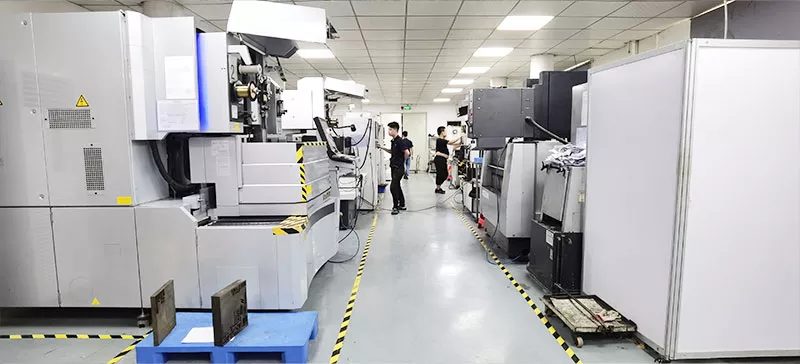
Why 5-axis CNC machined components are more suitable for complex precision parts
5-axis CNC machining is especially suitable for complex curved surfaces, multi-face structures, angled holes, deep cavities, irregular boundaries, and parts with high assembly accuracy requirements.
For high-precision gearbox components, aerospace-grade aluminum structural parts, medical titanium alloy components, and core parts in automation equipment, 5-axis simultaneous machining helps reduce clamping error, improve machining consistency, and optimize the overall manufacturing cycle.
For lightweight design and higher machining efficiency, aerospace-grade aluminum is often a priority. For corrosion resistance, high strength, and harsher operating conditions, titanium alloys or stainless steel can be considered. For insulation, lower weight, and selected low-load structures, engineering plastics can also be evaluated.
We can recommend more suitable materials according to part function, strength requirements, tolerance level, and cost target.
View full 5-axis material and process explanation
For high-precision gearbox components, aerospace-grade aluminum structural parts, medical titanium alloy components, and core parts in automation equipment, 5-axis simultaneous machining helps reduce clamping error, improve machining consistency, and optimize the overall manufacturing cycle.
For lightweight design and higher machining efficiency, aerospace-grade aluminum is often a priority. For corrosion resistance, high strength, and harsher operating conditions, titanium alloys or stainless steel can be considered. For insulation, lower weight, and selected low-load structures, engineering plastics can also be evaluated.
We can recommend more suitable materials according to part function, strength requirements, tolerance level, and cost target.
Better machining stability for complex geometry and difficult features
5-axis tool movement creates more flexible machining access for complex contours, angled holes, deep cavities, and irregular boundaries, which helps reduce repeated repositioning and improve dimensional consistency.
More suitable for gearbox parts and critical assembly components
For high-precision gearbox parts, aerospace-grade aluminum structural components, medical titanium parts, and automation equipment core parts, 5-axis machining can reduce clamping error, improve repeatability, and support a more efficient overall manufacturing cycle.
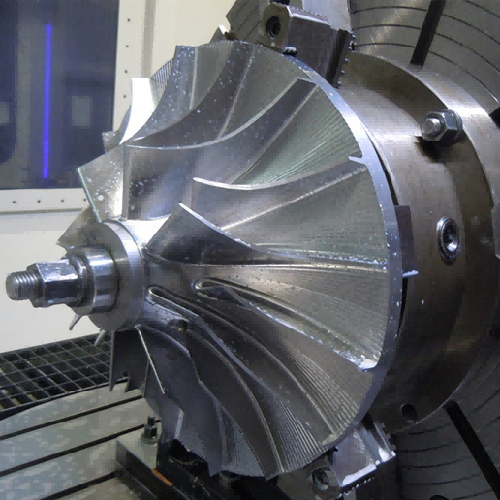
Material options based on function, tolerance, and application environment
Aerospace-grade aluminum is often preferred for lightweight projects and higher machining efficiency. Titanium alloys or stainless steel are more suitable for corrosion resistance, high strength, and demanding working environments. Engineering plastics can be assessed for insulating, lightweight, and lower-load structures.
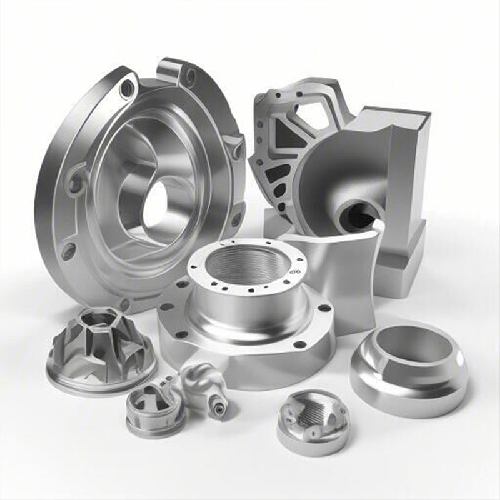
Quality control and project flow for lower assembly risk
During 5-axis CNC component manufacturing, we usually follow drawing review, material confirmation, first-article machining, critical-dimension inspection, in-process sampling checks, and final inspection before shipment.
For parts with stricter assembly requirements or critical tolerance areas, we can support first article reports, repeated checks on key dimensions, and batch consistency inspection.
With a clear project flow, customers can confirm machining plans, lead times, and quality requirements faster, which helps shorten purchasing communication time.
View full quality control and delivery process
For parts with stricter assembly requirements or critical tolerance areas, we can support first article reports, repeated checks on key dimensions, and batch consistency inspection.
With a clear project flow, customers can confirm machining plans, lead times, and quality requirements faster, which helps shorten purchasing communication time.
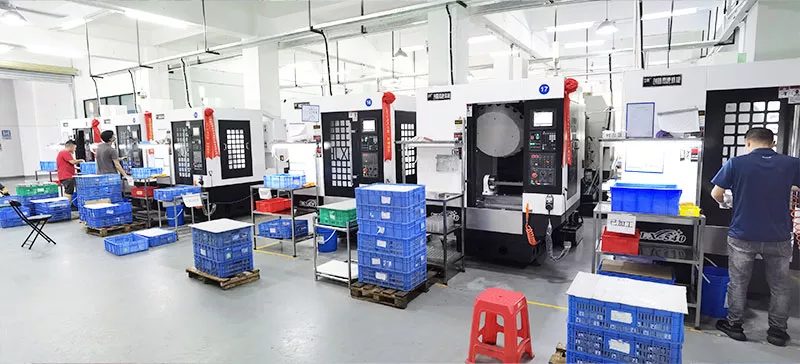
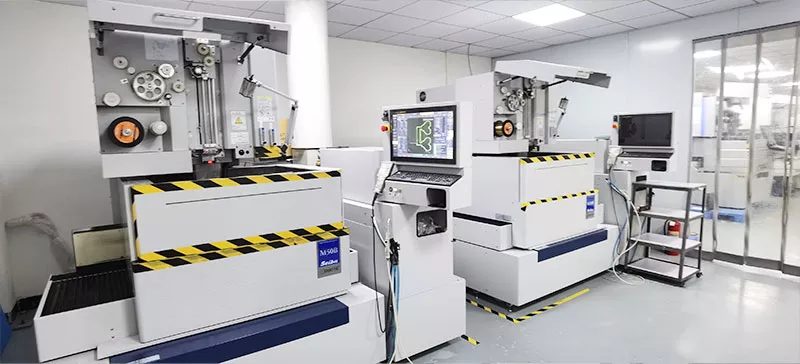
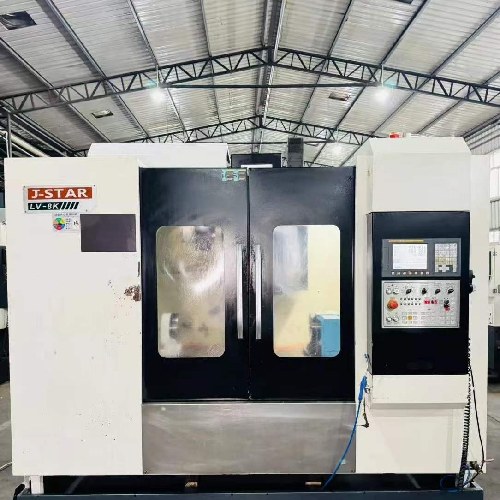
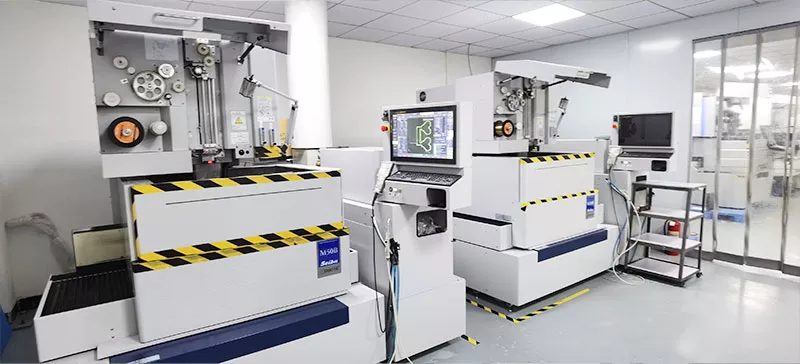
Equipment Support for More Complex 5-Axis Projects
5-axis machining is often selected for complex parts, multi-side geometry, and projects that require stronger setup flexibility and machining efficiency.