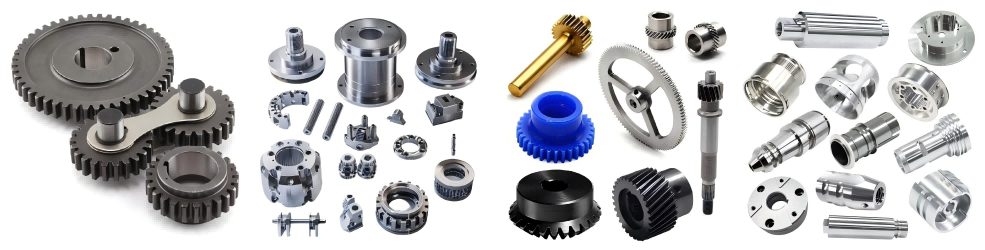
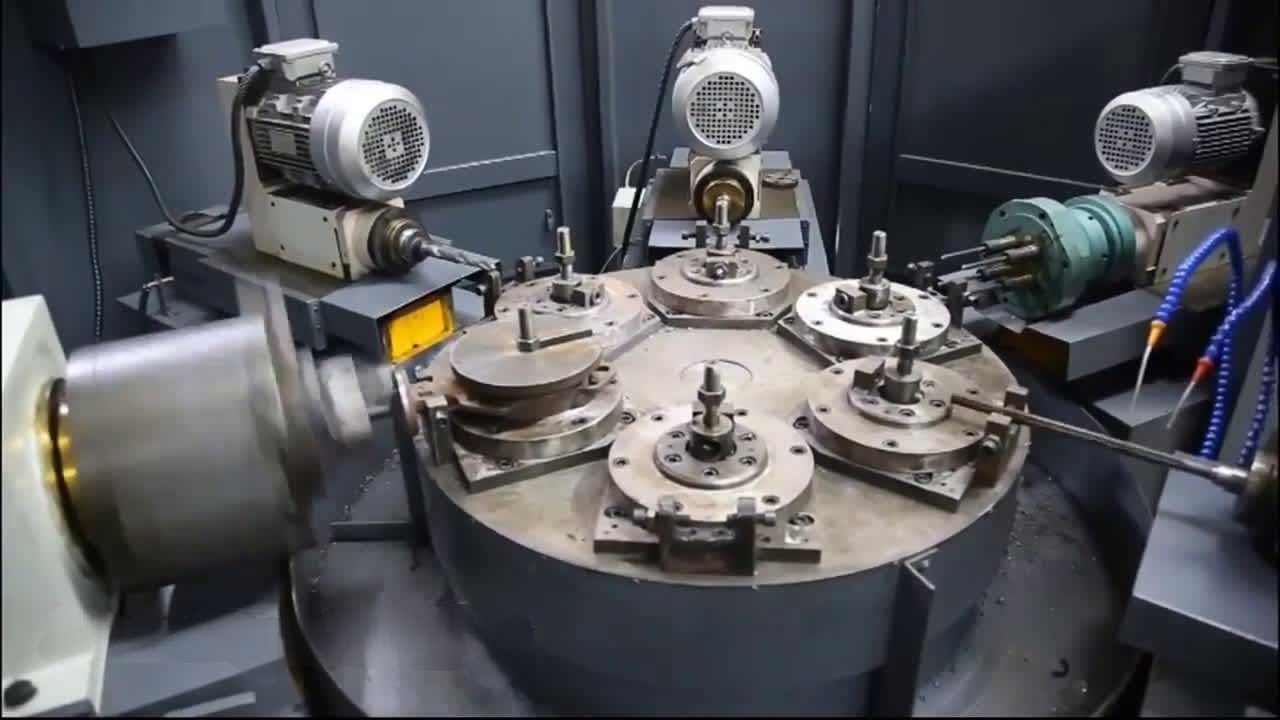
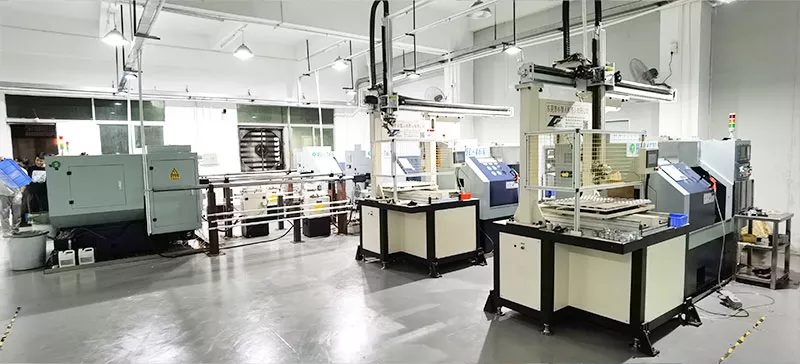
From single-part prototyping to long-term volume supply, we help customers worldwide keep their general machinery components in stable production. Simply choose the part category that best matches your project and upload your drawings to receive a quotation.
Upload Drawings for Quote
Our engineering team reviews material, precision, tolerance, surface finishing, and volume requirements to prepare a reliable quotation and practical DFM suggestions.
STEP / STP / IGES / IGS / XT / DWG / DXF / PDF / JPG / PNG supported
Our engineering team reviews material, precision, tolerance, surface finishing, and volume requirements to prepare a reliable quotation and practical DFM suggestions.
Manufacturing Scope by Part Category for Faster RFQ Evaluation
We do not rely on vague capability claims.
Quickly compare your part type before submitting RFQ files.
We present our manufacturing scope and project experience according to the component categories that purchasing teams and engineers use most often.
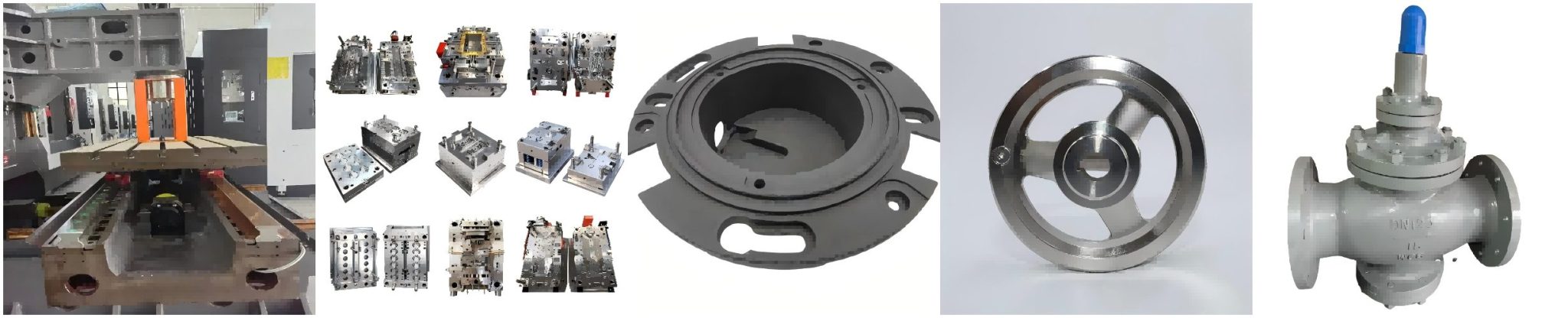
You can quickly compare flanges, shafts, brackets, structural parts, and jigs or fixtures from your own project, assess the fit, and move directly to quotation and drawing upload once the project looks viable.
This structure helps you find relevant information faster and also helps search engines understand the page topic and the search intent behind each component type more accurately.
From Standard Flanges to Custom Interface Components
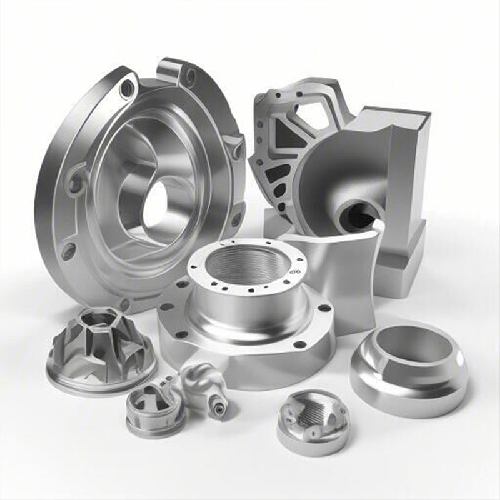
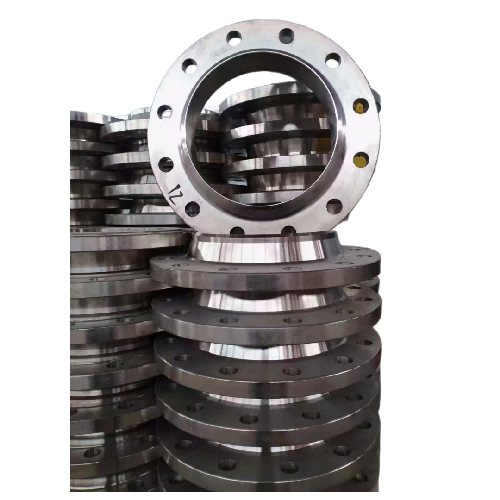
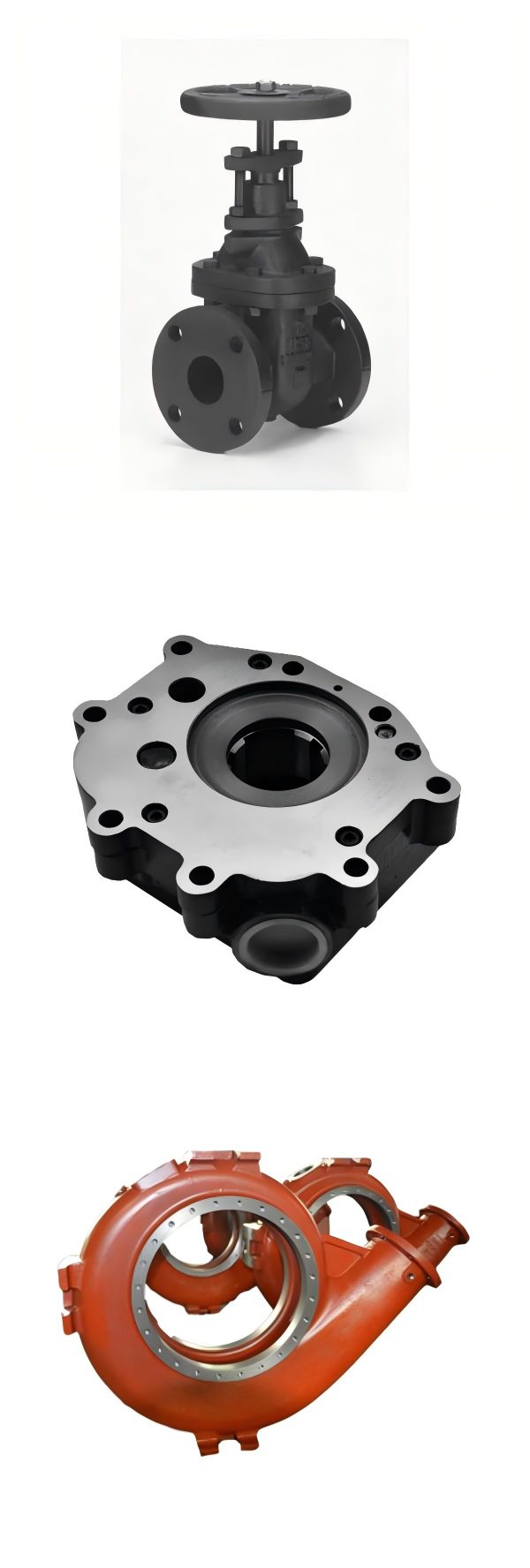
We support stable long-term production of standard flanges, custom connection flanges, flange covers, connection discs, mounting interface parts, and related components used in fluid equipment, pump and valve systems, and general mechanical connection structures.
Upload Drawings for QuoteFor this type of component, we evaluate material grade, sealing face geometry, flange surface finish requirements, hole distribution, thread specification, and target dimensional accuracy before selecting the most suitable turning, drilling, tapping, and sealing-face machining process.
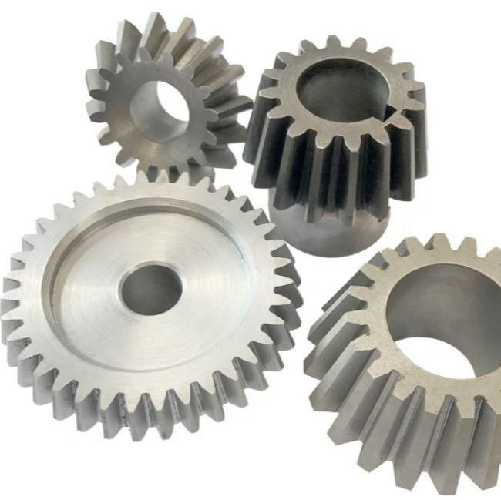
For projects with recurring demand, once drawings and technical conditions are frozen, we can help you establish fixed batch manufacturing and a regular delivery cadence, making annual or quarterly purchasing of standard flanges and connectors more predictable and easier to manage.
If your project requires different pressure ratings, media types, or special corrosion-resistance requirements, we can also, during the review phase, combine material selection, heat treatment, and surface treatment options to provide feasibility recommendations from the manufacturing side.
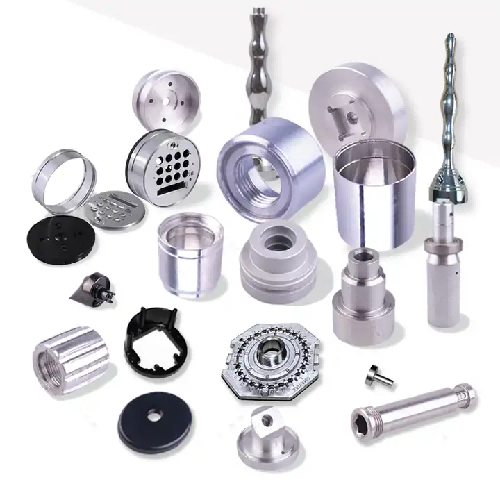
For shaft, pin, and rotating parts where fit and service life matter, we machine transmission shafts, guide shafts, pins, support shafts, stepped shafts, bushings, sleeves, and a wide range of cylindrical components. For these parts, we focus on controlling fit dimensions and tolerance bands, coaxiality, outside diameter roundness and cylindricity, surface roughness on critical mating areas, as well as the required heat treatment and surface hardening processes.
The goal is to make assembly straightforward at the build stage and to maintain stable fits and fatigue life over long-term operating conditions.
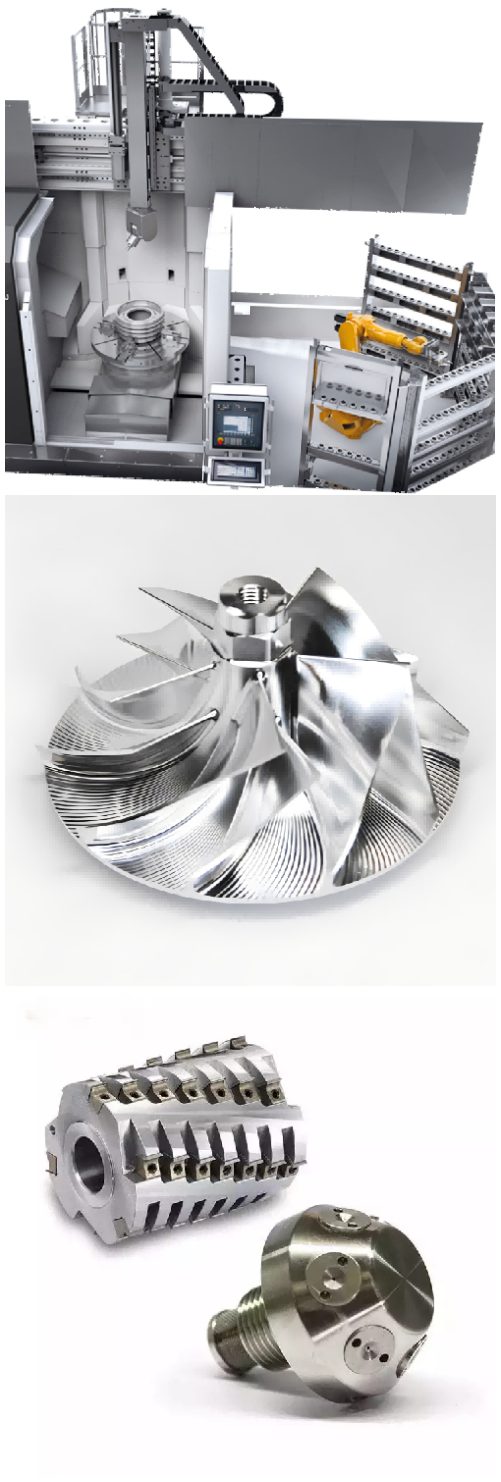
If your parts are mainly flat components, brackets, flanges, mounting plates, or housing-type structures, you can first submit them for 3-axis CNC machining review. If the project involves complex freeform surfaces, deep cavities, multi-side mounting faces, undercuts, or very tight assembly consistency requirements, we recommend submitting the drawings directly as a 5-axis CNC machining project.
When requesting a quote, it is best to include material, quantity range, key tolerance requirements, and target lead time, which helps us quickly determine the right process route, control costs, and reduce back-and-forth communication.
For projects with defined life requirements, continuous-duty operation, or high-load conditions, our engineering review can include specific recommendations on material selection, heat treatment (such as quenching and tempering, carburizing, hardening, or nitriding), and subsequent surface treatments like plating, coating, or polishing.
What purchasing and engineering teams really care about is not just whether you can “make a shaft,” but whether you truly understand why these shafts are challenging, where the critical points lie, and how you will control them consistently in mass production.
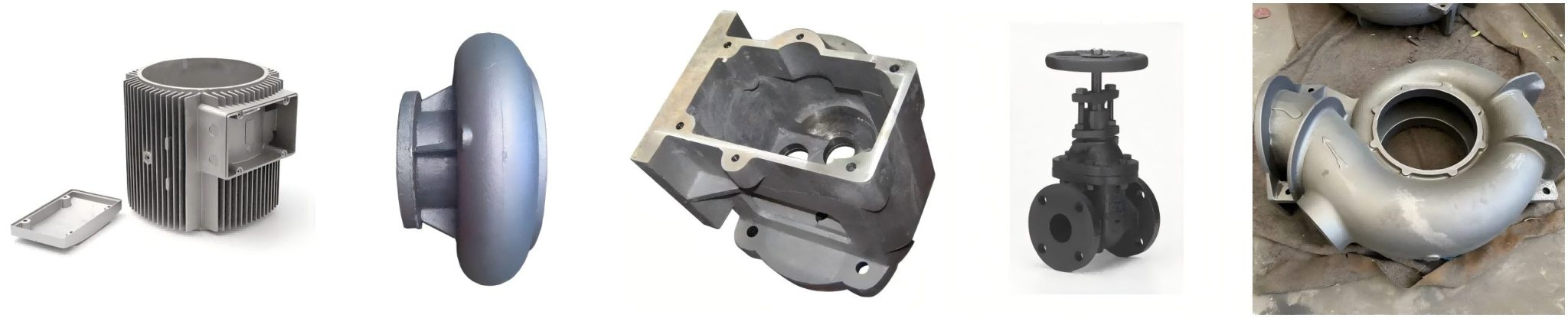
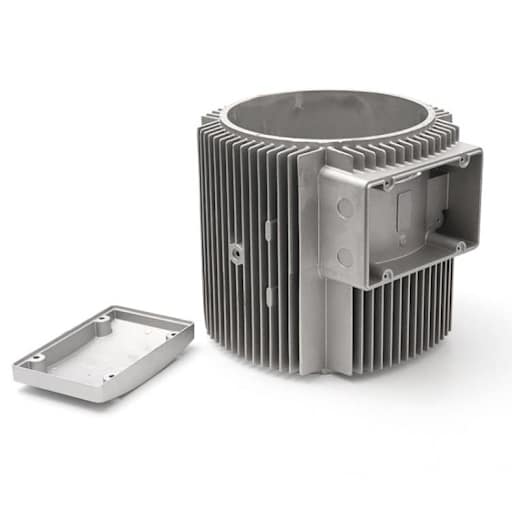
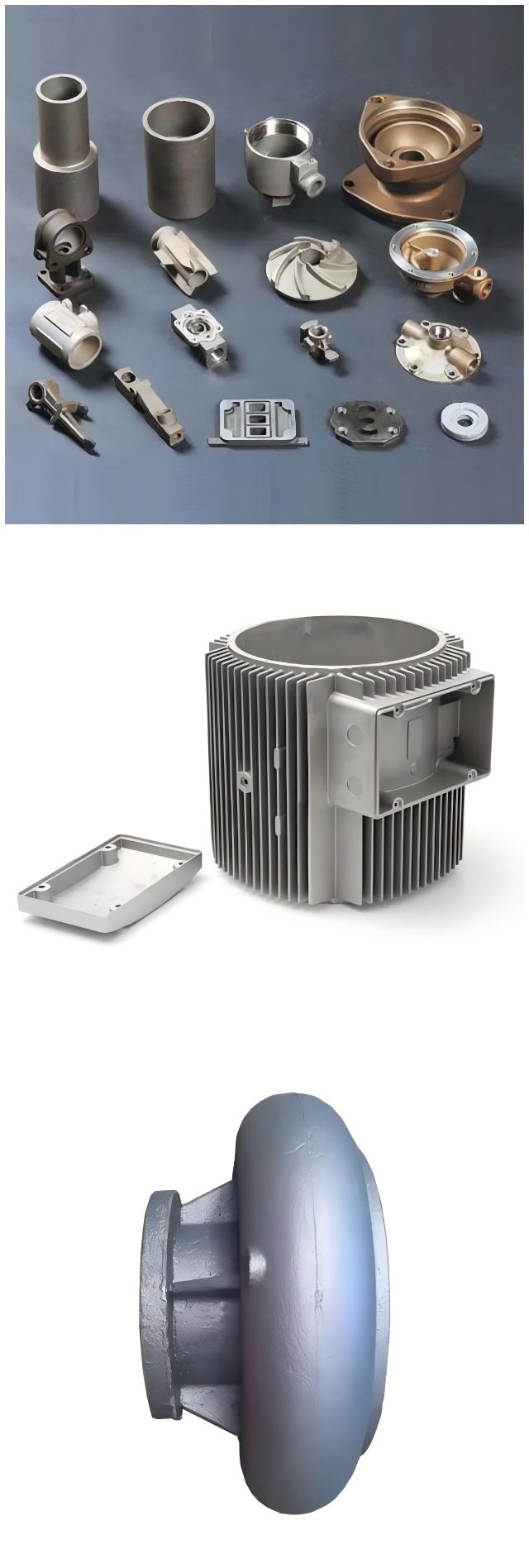
Brackets, bases, mounting plates, and structural parts are the backbone of your machine frames, and we already provide long-term support in these categories for many automation, conveyor, packaging, and general machinery projects. For housings, covers, end caps, bearing seats, and machined castings, we pay particular attention to datum surfaces for assembly, locating holes and axes, sealing features, mounting hole positions, and geometric consistency between batches, so that final machine assembly runs smoothly and the risk of on-site adjustment and rework is minimized.
In addition to the structural parts above, we also manufacture a wide range of tooling, jigs, fixtures, and auxiliary manufacturing components, including locating blocks, clamping elements, fixture base plates, tooling plates, and auxiliary mold components, helping customers build a more stable in-house manufacturing and outsourcing support system.
For projects that require rapid pilot-line setup, new workstation validation, or additional equipment ramp-up, outsourcing standardized and modular structural parts and fixtures to us can significantly reduce your internal machining load and accelerate your project validation schedule.
If your parts do not fit neatly into the categories above, there is no problem at all. Whether you are unsure which category your components belong to or your project includes multiple different part types, you can simply upload your 2D/3D drawings and add a short project description.
Based on the geometry, material, tolerance requirements, volume pattern, and expected project lifecycle, we will help you match the most suitable machining route and provide initial manufacturing recommendations along with a quotation range.
For industrial customers, a supplier who can quickly judge whether a project is a good fit, clearly outline feasible options, and flag potential risks is far more trustworthy than one who simply repeats “contact us” on the website.
If you are currently evaluating a project, you can go straight from this page to upload drawings or submit an RFQ; our engineering team will respond within the agreed timeframe with concrete manufacturability feedback and a price range.
Capacity Built for Long-Term, Repeatable Production – Not Just Sample Runs
Our machining capacity is designed to support long-term, repeatable production of the parts you actually need, not just to showcase machine counts.
Share flange, shaft, bracket, housing, fixture and general mechanical parts for manufacturability review and RFQ.
Our machining capacity is not built to show off how many machines we have, but to support long-term, stable production of the parts our customers truly need. After you upload drawings, we evaluate geometry, batch size, and precision requirements to match the most suitable manufacturing process route.
Many factories can make samples, but not every factory is suitable for long-term supply. For global industrial customers, a truly valuable supplier must combine machining capability with the ability to organize process, quality, inspection, and delivery as a coherent system.
This page is not about how many machines we own. It is about proving that we can manufacture flanges, shafts, brackets, housings, fixture components, and a wide range of general mechanical parts repeatedly and consistently over the long term. Industrial website best practices clearly point out that a capabilities page should emphasize customer outcomes and project fit, rather than just listing equipment models.
3-Axis CNC Machining – Foundation for General Mechanical Parts
3-axis CNC machining is one of the most widely used base processes in general mechanical part production. It is well-suited for plates, brackets, flanges, connection plates, and standard structural parts in batch production.
For this category of components we efficiently handle face milling, drilling, tapping, simple cavities, and datum surface machining, balancing throughput, stability, and cost control for your projects.
5-Axis CNC Machining – Complex Housings and Multi-Sided Parts
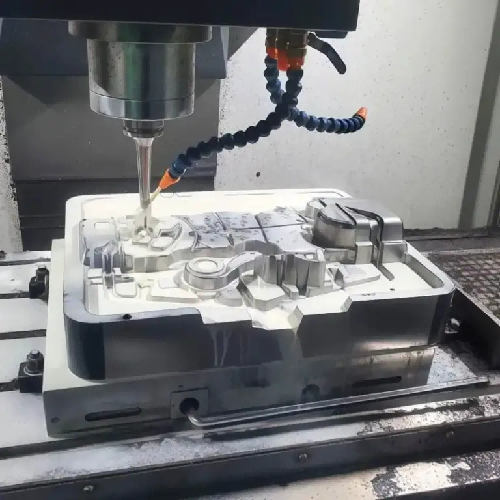
5-axis CNC machining is better suited for complex housings, multi-face parts, deep-cavity components, high-accuracy assembly fixtures, and multi-angle mounting structures.
By reducing the number of set-ups, 5-axis machining lowers cumulative error, improves part-to-part consistency, and helps increase overall production efficiency on demanding assemblies.
Turning and Turn-Milling Support Stable Supply of Rotational Parts
CNC lathes and turn-milling equipment are mainly used for shafts, sleeves, discs, flanges, and other rotationally symmetric parts.
We review part geometry, material, quantity, and lead time to recommend 3-axis, 5-axis, turning, or combined machining routes.
For this type of product, we focus on controlling outside diameter, inside bore, end faces, threads, tapered surfaces, concentricity, and critical fit dimensions. When needed, we also combine heat treatment, surface finishing, or secondary operations to improve wear resistance, corrosion resistance, and service life in real working conditions.
For higher-volume orders or long-term repeat purchases, we further optimize output based on production volume, cycle time, fixtures, and inspection methods. This helps make delivery more stable and purchasing cost more controllable.
Quality Control Planning for Rotational Parts
In quality control, we arrange first article inspection, in-process inspection, sampling inspection of critical dimensions or 100 percent inspection, as well as final pre-shipment verification according to part type and project requirements.
For key projects or parts with clearly defined drawing requirements, we can confirm inspection priorities, recording methods, and packaging requirements during the early communication stage. This helps reduce deviation and disputes in later batch deliveries from the source.
Direct RFQ Is the Best Next Step
If you already have part drawings, the best next step is to upload them directly. Based on your part structure, material, quantity, and delivery target, we will evaluate whether 3-axis CNC machining, 5-axis CNC machining, turning, or a combined process is more suitable, and then provide clear machining recommendations together with quotation feedback.
Upload Drawings for Quote
Our engineering team reviews material, precision, tolerance, surface finishing, and volume requirements to prepare a reliable quotation and practical DFM suggestions.
STEP / STP / IGES / IGS / XT / DWG / DXF / PDF / JPG / PNG supported
Our engineering team reviews material, precision, tolerance, surface finishing, and volume requirements to prepare a reliable quotation and practical DFM suggestions.
Real Production Capacity Backed by an Operating Workshop
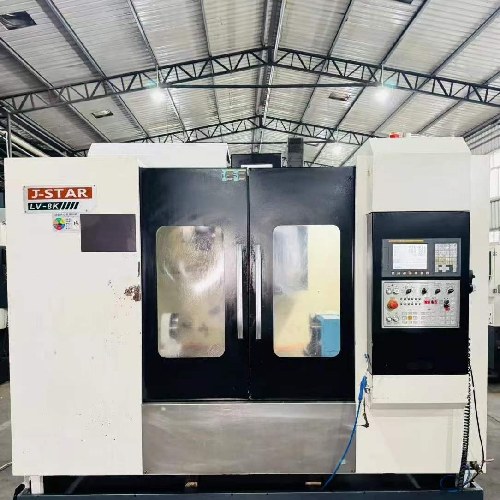
Manufacturing capability is not only about machine lists. Real workshop photos help buyers understand the actual production environment, equipment organization, and the support behind repeat orders and long-term supply.
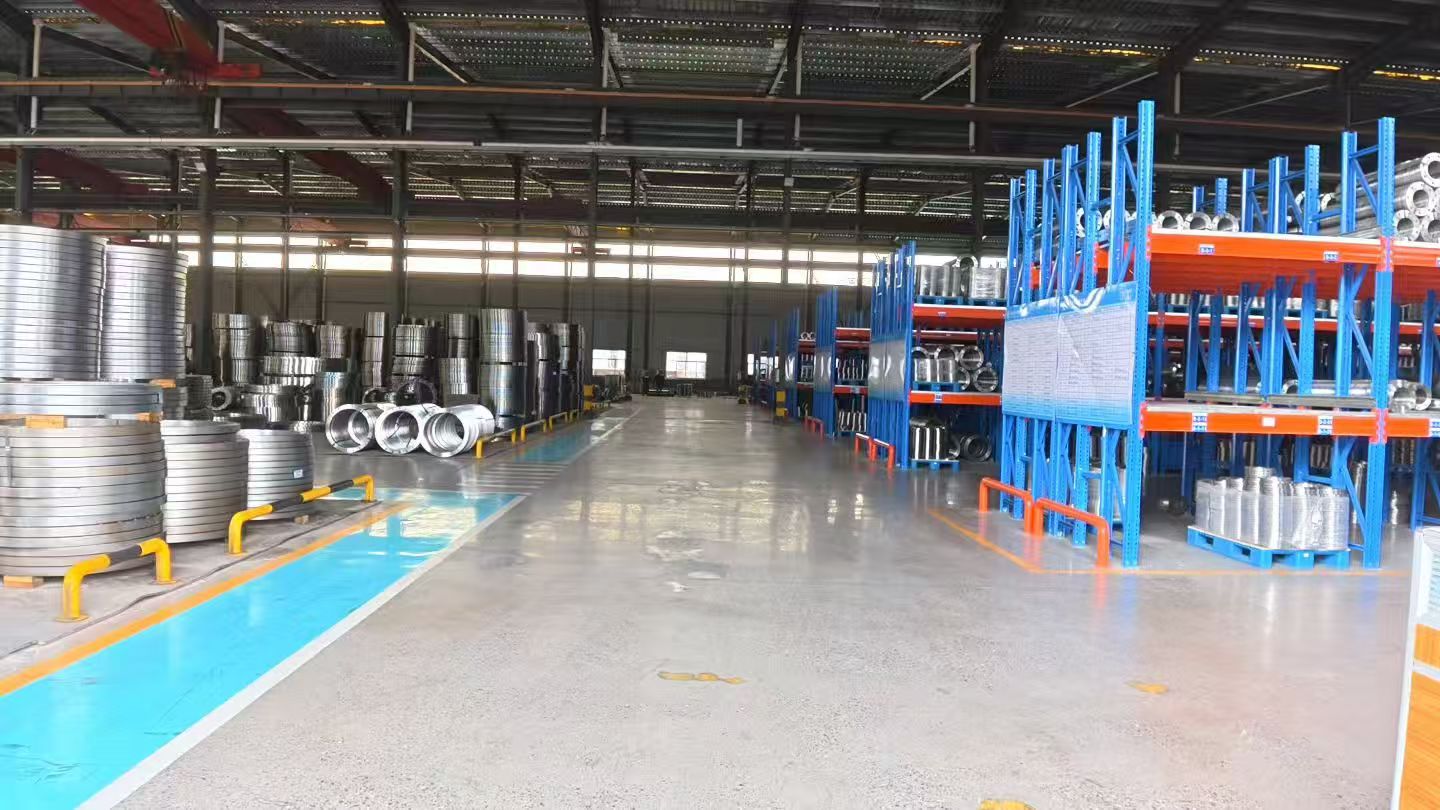
Equipment and Capacity Layout
A clear equipment layout supports confidence in organized production flow and workshop coordination.
Dedicated CNC Equipment
Dedicated equipment can improve machining stability, part consistency, and production efficiency for specific component categories.
Support for Long-Term Orders
Stable workshop conditions are important for supporting repeat production and long-term industrial supply projects.