-1-1-2-126x39.png)

What Collaboration Stages Does a Project Usually Go Through?
Before formal production starts, most projects pass through document confirmation, technical review, execution condition checks, and delivery preparation.
In most manufacturing projects, several stages usually take place before formal production begins, including document confirmation, technical judgment, execution condition review, sample or trial preparation, and delivery planning. What customers need most is not a complicated flowchart, but a clear understanding of which step their project is in and what information should be added next.
View the full project stage explanation
This is especially important when a buyer is comparing 3-axis CNC machining, 5-axis CNC machining, supported machining materials, and the supplier’s quality control workflow before sending an RFQ.
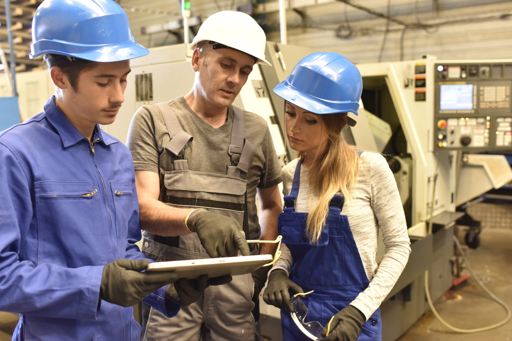
How Purchasing, Engineering, and Production Work Together
Purchasing focuses on delivery conditions, engineering focuses on technical feasibility, and production focuses on scheduling and stable output.
Purchasing is usually more concerned with delivery terms and cooperation boundaries, engineering is more focused on technical feasibility and risk, and production is more focused on scheduling and stable delivery. Smooth project progress depends less on which team does the most and more on whether information moves clearly between these roles.
View complete role coordination details
When information moves clearly across commercial review, manufacturing capabilities, quality assurance, and execution planning, buyers can assess project fit faster and reduce repeated clarification before they upload drawings for quote.
How Sample Projects and Volume Projects Move Differently
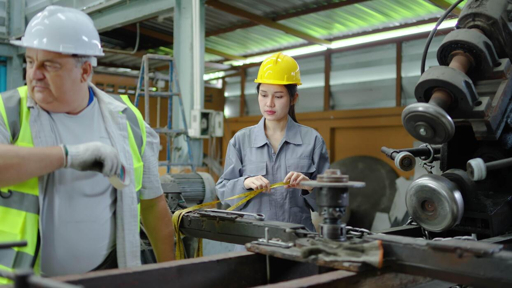
Sample stages focus more on validation goals and fast feedback, while volume stages focus more on revision stability, batch rhythm, and repeat order continuity.
The sample stage usually places more weight on validation targets and fast feedback, while the volume stage puts more focus on revision stability, batch rhythm, and repeat order continuity. A supplier that clearly separates these two working logics is usually better suited for long-term cooperation.
View the full sample and volume workflow explanation
This matters when buyers move from prototype machining to sustained production and need alignment on industry case studies, process readiness, supported materials, and inspection expectations before production scaling.
How Drawing Revisions and Requirement Changes Are Managed
Drawing revisions are a common risk in long-term projects, and the most effective control is a clear revision confirmation method rather than temporary verbal instructions.
Drawing revisions are a common source of risk in long-term projects. The most effective approach is not a temporary verbal explanation, but a clear revision confirmation method that shows whether the change affects process routing, lead time, inspection, and packaging conditions.
View full revision control guidance
For projects involving custom parts, repeat production, or multiple stakeholders, revision clarity directly affects quality documents and inspection reports, final packaging alignment, and the speed of formal RFQ confirmation.
FAQ About Factory and Project Collaboration
First-time cooperation usually works better when communication paths, information boundaries, key requirements, and the current project stage are confirmed early.
The questions below address common concerns from purchasing teams and engineers who are evaluating a machining supplier for first-time cooperation, sample validation, and long-term production coordination.
View complete collaboration FAQs
These answers support buyers who are comparing supplier communication methods, engineering responsiveness, quality assurance, and readiness for RFQ submission.
What should a customer focus on most in a first cooperation?
After a sample is approved, does a volume project still need another discussion?
Will a drawing revision definitely affect lead time?
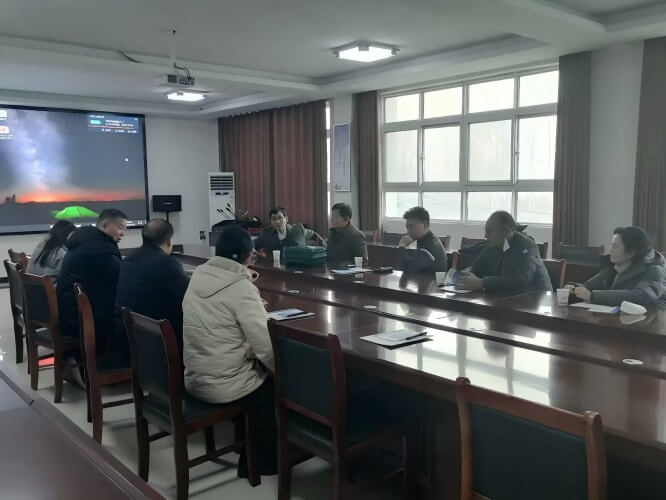
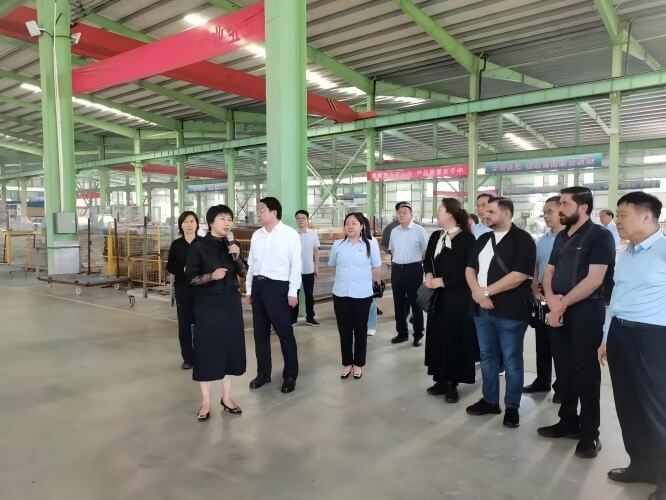
Open Communication and Real Factory Visits
For many buyers, trust grows faster when communication is transparent and the production environment can be seen in real business interaction.