.
Production Manufacturing Capabilities
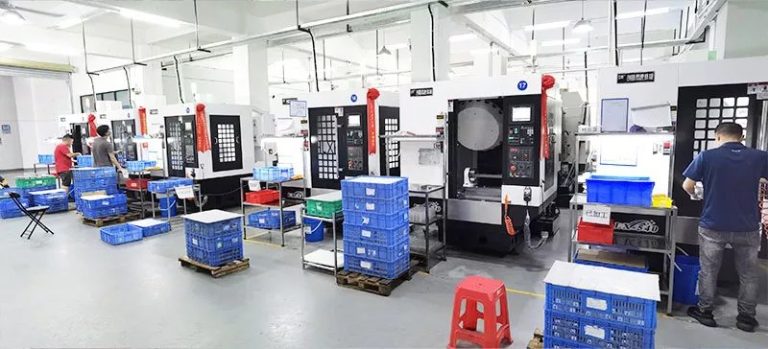
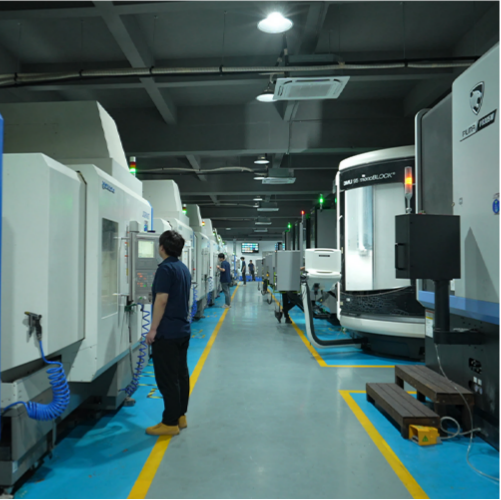
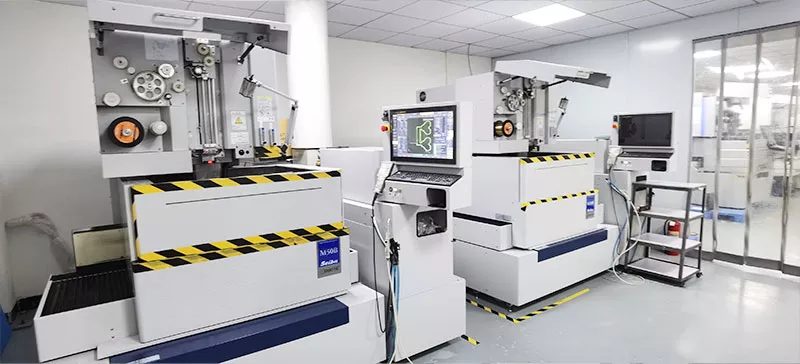
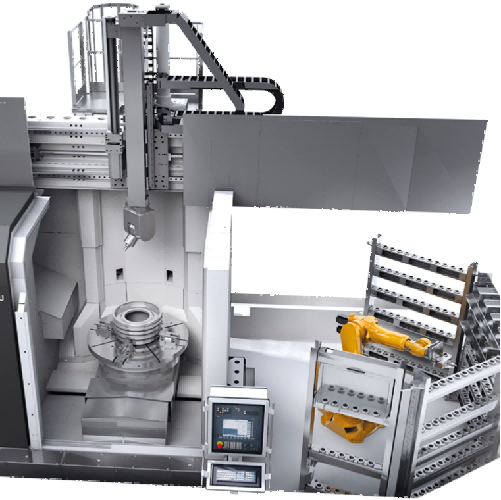
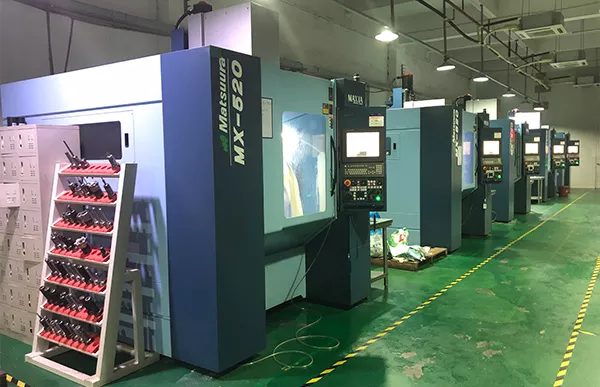
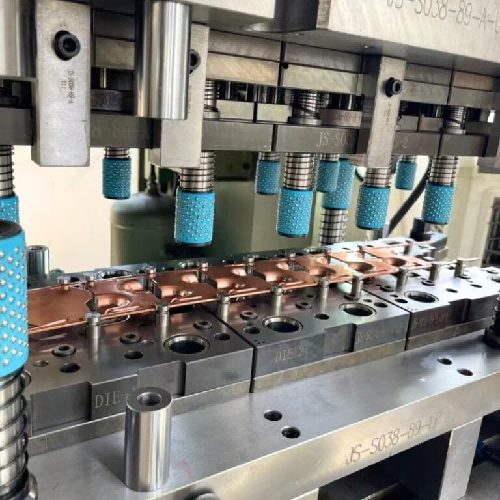
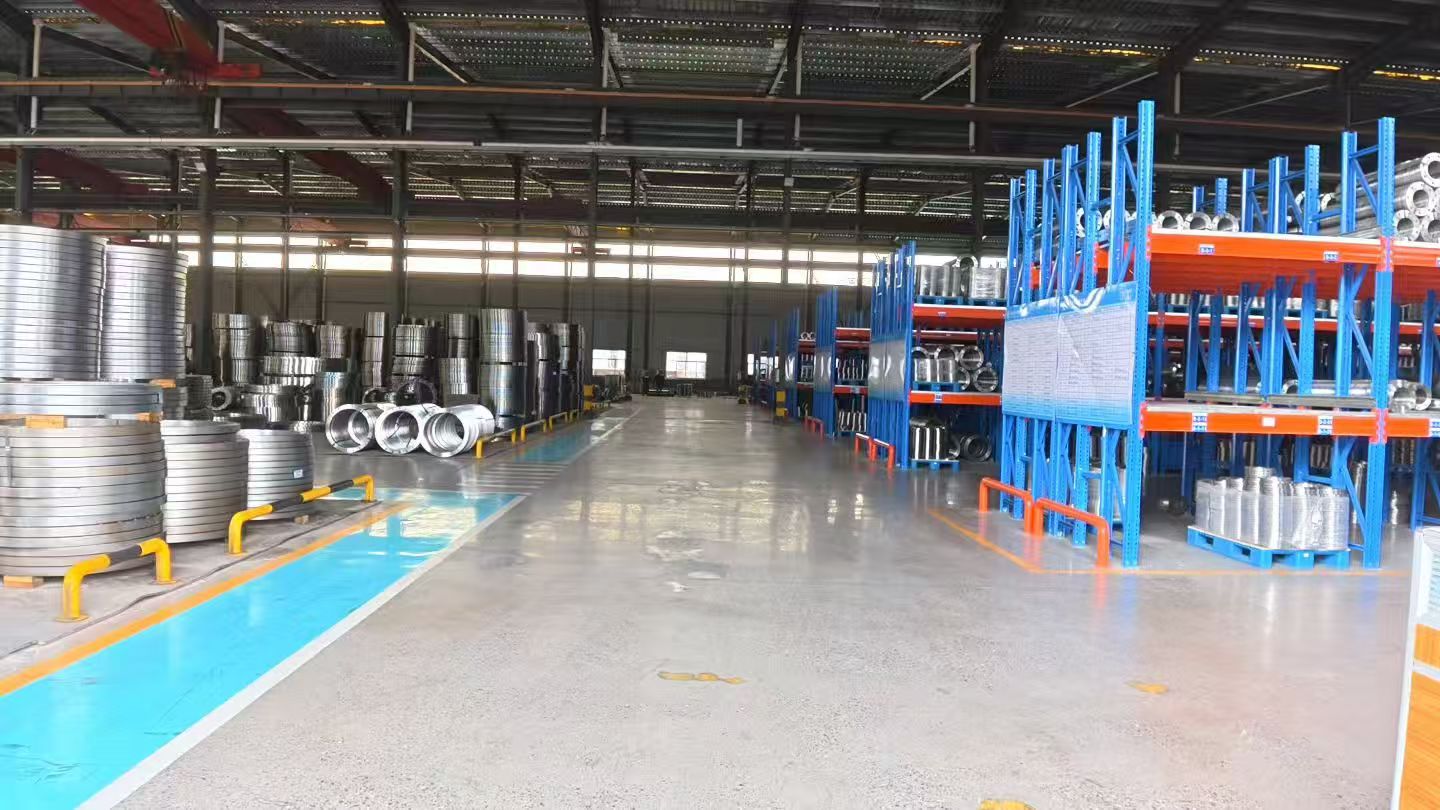
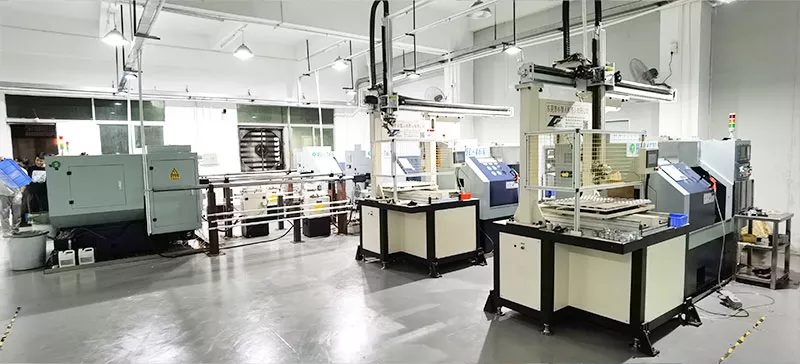
From drawing review and process matching to prototype machining, low-volume validation, and stable batch delivery, we build our production system around the real manufacturing needs of industrial components, covering 3-axis machining, 5-axis machining, turning, milling, inspection, and coordinated post-processing.
Our goal is not only to complete one machining order, but to help customers achieve a more stable manufacturing solution across precision, lead time, cost control, and continuous sourcing.
Manufacturing Capability Overview
We can match a more suitable manufacturing route based on part structure, dimensional tolerance, material characteristics, surface requirements, and order volume.
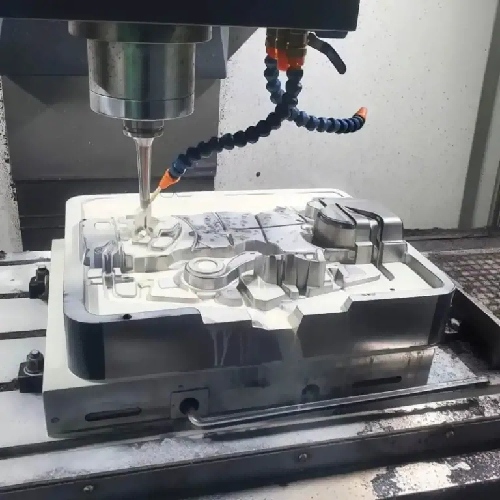
For standard structural components and medium-complexity parts, 3-axis machining is often used to balance cost and lead time. For multi-face, curved, deep-cavity, undercut, and fixture-sensitive parts, 5-axis machining can reduce process steps and cumulative error.
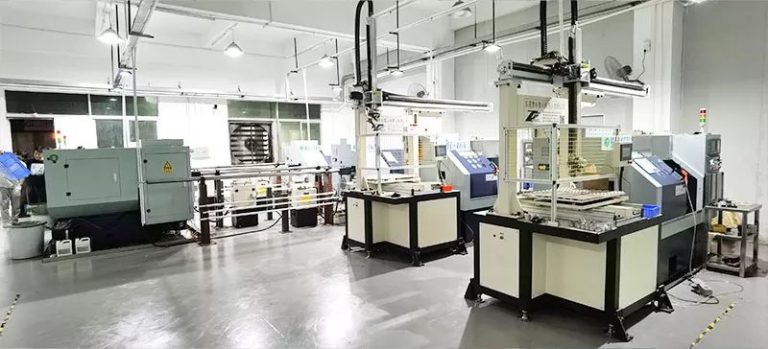
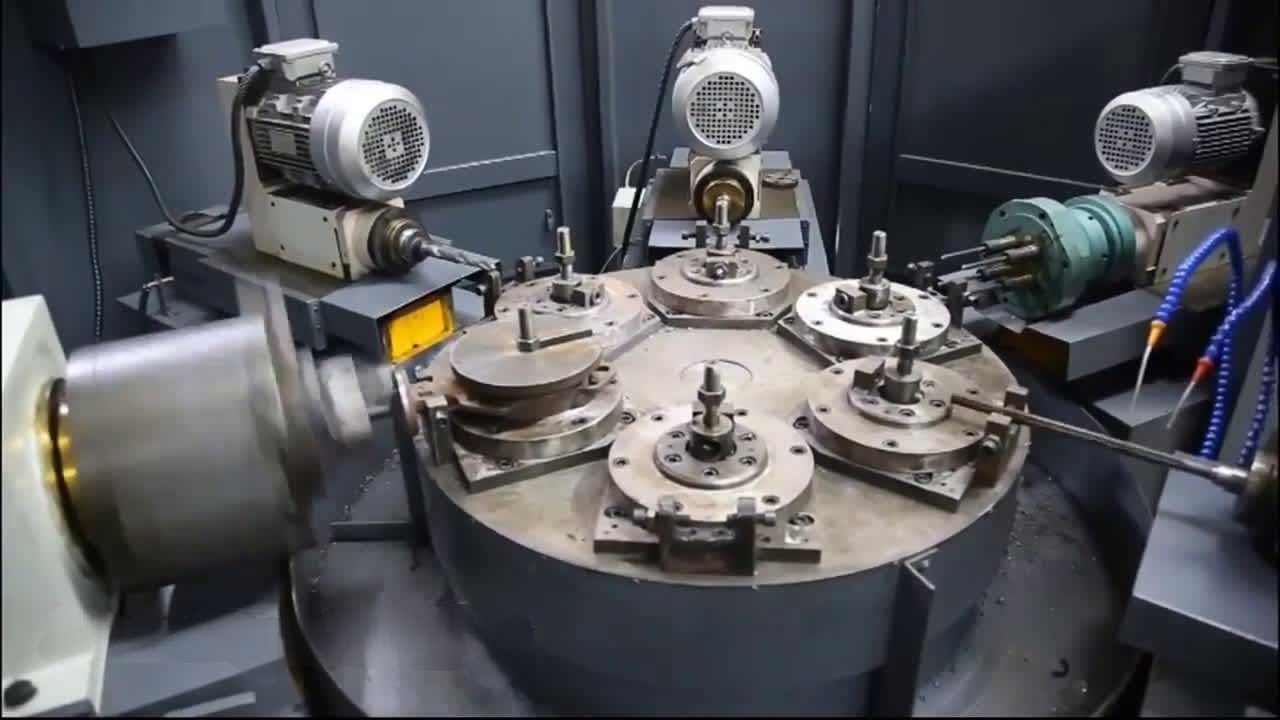
We also support coordinated turning and milling for shafts, sleeves, discs, housings, plates, and custom assembly-related structural parts.
By planning process routes, workholding methods, inspection checkpoints, and post-processing coordination more carefully, we help customers improve manufacturing consistency and project execution efficiency.
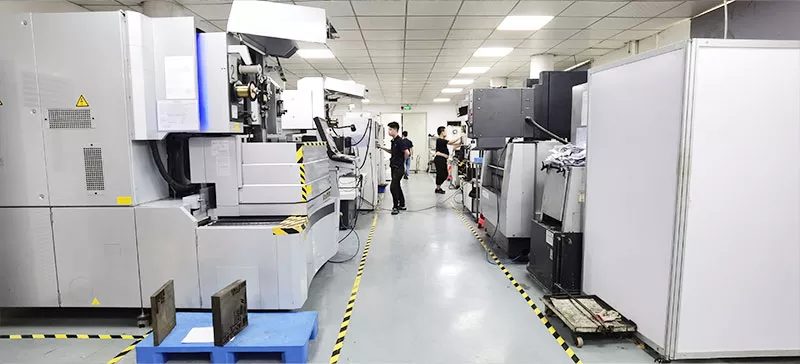
Capability Overview
Integrated machining planning for industrial parts, from structure review to process coordination.
3-Axis CNC Machining
Suitable for flat parts, brackets, housings, flanges, connectors, and mounting plates.
5-Axis CNC Machining
Suitable for complex surfaces, deep cavities, undercut structures, and multi-face mounting parts.
CNC Turning
Suitable for shafts, sleeves, rotational parts, and components requiring stable concentricity control.
CNC Milling
Suitable for cavities, flat faces, hole patterns, slots, and multi-feature structural components.
Order Models & Response Speed
Support starts from 1 piece, prototype sampling, pilot runs, and repeat batch orders. Standard projects are usually replied to within 24 hours, with support for STEP, STP, IGS, X_T, DWG, PDF, JPG, and PNG files.
3-Axis CNC Machining Capability
3-axis CNC machining is suitable for standard structural parts and medium-complexity industrial components, and it is often the preferred route for projects that need to balance cost control and delivery schedule.
For parts with common features such as flat faces, hole positions, outer profiles, and slots, 3-axis machining can improve production efficiency while meeting dimensional requirements and controlling cost.
This process is commonly used for brackets, mounting plates, flanges, housing profile parts, connectors, fixture base plates, and standard equipment structural components.
The main process focus is usually consistent workholding datums, rational toolpath planning, and verification of critical dimensions, so that batch consistency and assembly stability can be improved.
Suitable Part Types
3-Axis Machining Features and Lead Time Reference
3-Axis Machining Features
Lead Time Reference
Prototype parts: 1–3 daysBatch production: 5–10 days
Actual lead time is confirmed according to material, structural complexity, quantity, and inspection requirements.
5-Axis CNC Machining Capability
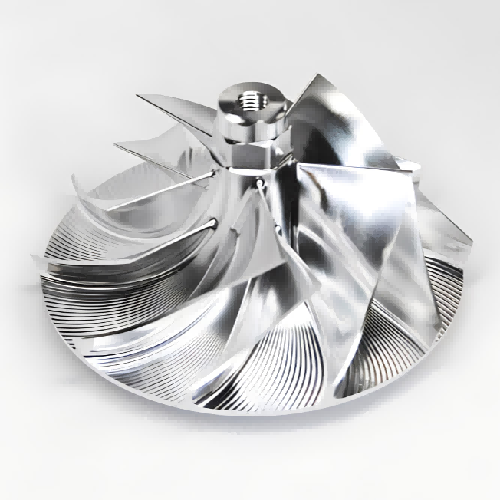
5-axis CNC machining is suitable for parts with complex curved surfaces, multi-face structures, deep cavities, angled positioning, and components that are difficult to realign repeatedly after re-clamping.
For projects with complex geometry and high assembly requirements, 5-axis machining can complete more features in fewer setups, which helps reduce cumulative error and improve part consistency.
This not only makes it more suitable for high-precision complex parts, but also more beneficial for reducing rework risk and improving delivery stability.
For mold components, fixtures, complex automation parts, aerospace structural parts, and high-reliability industrial modules, 5-axis machining is often a more suitable manufacturing solution.
Suitable Part Types
5-Axis Machining Advantages, Applications, and Lead Time Reference
5-Axis Machining Advantages
Typical Applications
Lead Time Reference
Low-volume projects usually move forward within 5–7 days.Actual lead time is confirmed according to structural complexity, material, and inspection requirements.
Coordinated Turning and Milling Capability
Many industrial components are not simply turning parts or milling parts. They often combine rotational features, flat faces, hole positions, slots, mating surfaces, and irregular structures.
For this reason, we integrate turning and milling based on the real functional requirements of the part instead of forcing one single process to cover all features.
For shafts, sleeves, connecting rings, and rotational support parts, turning is more suitable for the basic rotational surfaces. For cavities, mounting faces, hole patterns, irregular structures, and assembly faces, milling is used to complete more complex structural features.
Through coordinated turning and milling, we can arrange process steps more rationally, reduce unnecessary process switching, and improve stability in critical dimensional areas.
Turning and Milling Process Matching
CNC Turning
Suitable for shafts, sleeves, bushings, connecting rings, and rotational parts.
CNC Milling
Suitable for cavity parts, housing parts, mounting faces, hole patterns, slots, and multi-feature structural parts.
Process Matching Principle
We select a more suitable manufacturing route according to part function, dimensional requirements, order volume, and post-processing requirements.
Machinable Materials
We support machining of common metals, engineering plastics, and selected high-performance materials.
Based on strength, corrosion resistance, heat resistance, thermal conductivity, electrical insulation, and cost targets, we can help customers select a more suitable material solution.
Aluminum Alloys
6061 / 7075 / 2024 and similar gradesSuitable for lightweight structural parts, automation fixtures, mounting brackets, and general precision machined parts.
Stainless Steel
304 / 316L / 420 / 17-4PH and similar gradesSuitable for industrial components that require corrosion resistance, structural stability, or balanced comprehensive performance.
Carbon Steel and Alloy Steel
45 steel and common structural steelsSuitable for structural parts, support parts, and mechanical components that require higher strength.
Titanium Alloys
TC4 / TA1 / titanium alloy gradesSuitable for applications requiring high strength, lightweight construction, and corrosion resistance.
Engineering Plastics
POM / Nylon / PEEK and similar materialsSuitable for parts requiring electrical insulation, weight reduction, low friction, or resistance to chemical environments.
Copper Alloys
Brass / CopperSuitable for conductive, thermal, decorative, and functional structural parts.
Special Materials
Inconel / Kovar / PBN and similar materialsProcess evaluation can be carried out according to project use, drawing requirements, and manufacturability.
Typical Machined Part Types
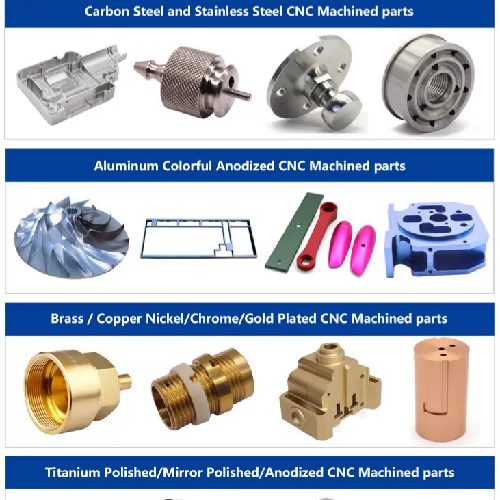
We provide custom part machining services for mechanical equipment, automation systems, semiconductor equipment, medical devices, and industrial equipment.
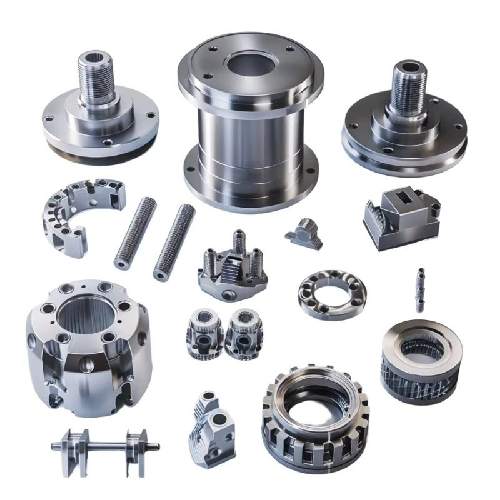
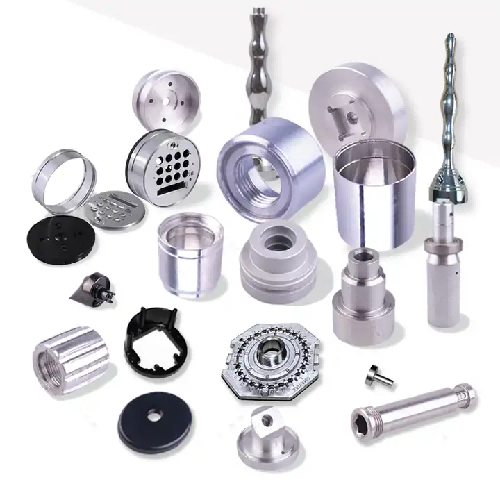
Common parts include flanges, housings, brackets, plate parts, shaft parts, and custom assembly parts.
Flanges and Connecting Parts
Focus on hole position accuracy, coaxial relationships, assembly dimensions, and surface treatment compatibility.Housing and Cavity Parts
Focus on profile accuracy, internal structures, slots, mounting faces, and assembly stability.Brackets and Mounting Plates
Focus on flatness, hole spacing, assembly datums, and batch consistency.Shaft and Sleeve Parts
Focus on concentricity, rotational surface accuracy, fit dimensions, and assembly stability.Fixtures and Automation Structural Parts
Focus on positional relationships, multi-face features, repeat assembly accuracy, and fit with actual operating conditions.Custom Non-Standard Assembly Parts
Focus on functional matching, structural implementation, process feasibility, and room for continuous optimization.Industries We Serve
We provide custom part manufacturing services for industrial customers who require dimensional stability, machining consistency, and responsive delivery. According to operating conditions, structural characteristics, and quality requirements in different industries, we can match different accuracy levels and inspection plans.
Automation Equipment
Suitable for fixtures, brackets, module structural parts, and automation assembly system components.Semiconductor Equipment
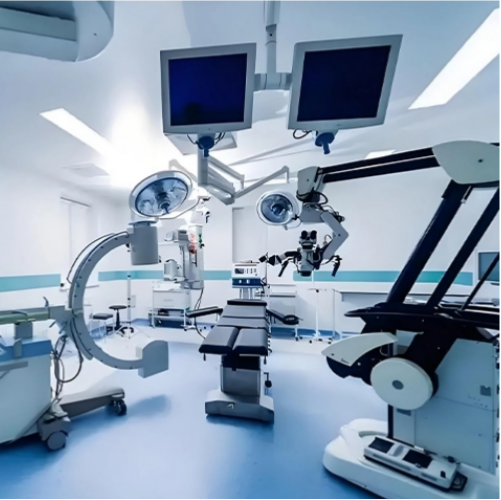
Suitable for precision parts that require high cleanliness, high consistency, and high stability.Medical Devices
Suitable for structural parts, connectors, and components with demanding dimensional and surface requirements.Aerospace
Suitable for the development and manufacturing of precision parts with lightweight design, high strength, and complex structures.General Industrial Equipment
Suitable for all kinds of mechanical equipment, industrial modules, and standardized structural parts.Quality Control and Inspection Capability
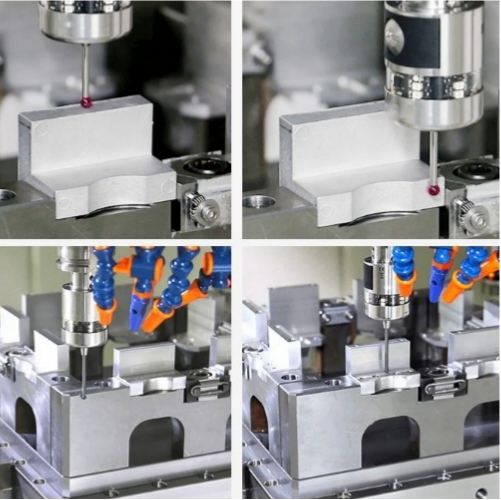
High-quality delivery is not only about final inspection. It starts with incoming material confirmation and continues throughout the whole manufacturing process. We define corresponding inspection plans for critical dimensions, critical materials, and critical assembly locations according to drawing requirements and project risk.
Incoming Material Inspection
Confirm material grade, condition, and basic specification so that machining starts from the correct material foundation.
In-Process Control
Carry out sampling inspection and records during critical operations to reduce the risk of discovering problems only at later stages.
Final Inspection
Before shipment, confirm dimensions, appearance, quantity, and order requirements to ensure the delivery result matches the drawing.
Inspection and Documentation
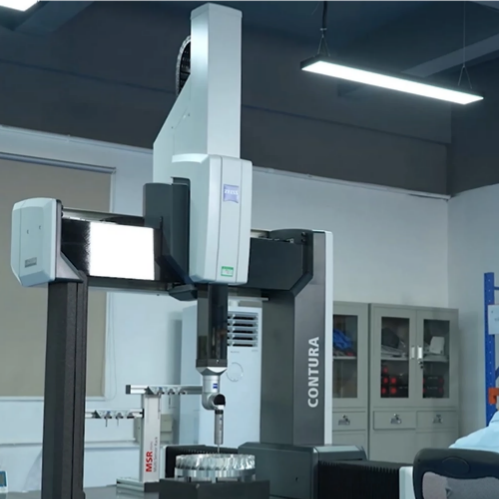
CMM measurement, first article confirmation, dimensional reports, and material-related documents can be provided.
Manufacturing Organization Capability from Prototype to Batch
We support continuous manufacturing demand from prototype development and low-volume validation to stable batch delivery, which is more suitable for projects with long-term sourcing plans and scale-up demand.
Prototype Stage
Suitable for product development, assembly verification, and functional testing, with emphasis on response speed, engineering communication efficiency, and manufacturability judgment.Low-Volume Stage
Suitable for pilot runs and market validation, with emphasis on dimensional consistency, delivery rhythm, and process stability.Continuous Batch Stage
Suitable for repeat purchase orders, long-term spare parts, and fixed-model structural parts, with emphasis on repeatability, coordination efficiency, and supply stability.Engineering Review and Manufacturability Support
Standard projects can usually receive engineering review and quotation feedback within 24 hours. Before project launch, we assess manufacturability based on part structure, machining method, inspection requirements, quantity, and target lead time, helping customers identify risk points earlier.
Engineering Review Focus
Supported Drawing Formats and Collaboration
We support a wide range of common drawing and file formats, helping overseas customers submit project data quickly and enter the review process.Supported File Formats
STEP / STP / IGS / X_T / DWG / PDF / JPG / PNGCollaboration Method
Overseas customers can communicate on drawing review and RFQ requests. Standard projects are typically replied to within 24 hours, with support for prototype, low-volume, and continuous batch procurement, while reviewing material, quantity, tolerance, surface finishing, and lead time requirements together.Why Sourcing and Engineering Teams Choose Us
We do more than provide CNC machining services. We focus on complete coordination from drawing review, process matching, and material recommendations to quality control and delivery support, which is more suitable for prototype development, low-volume validation, and batch production projects.
Complex Part Process Matching
Evaluate parts with complex structures, high assembly requirements, and combined surface plus tolerance demands in advance to reduce rework and trial-and-error risk.Critical Dimension Quality Control
Focus on inspection and traceability of key fit areas and assembly datum faces.Coordination of Materials and Surface Finishing
Support common metals and engineering plastics while coordinating subsequent surface finishing processes.Continuous Delivery from Prototype to Batch
Support prototyping as well as repeat orders, scale-up demand, and low-to-medium batch supply.International Business Communication Support
More familiar with drawing review, RFQ communication, and document exchange for overseas customers, reducing project friction caused by unclear communication.Typical Application Scenarios
Compared with general statements about serving multiple industries, more specific part scenarios and process challenges help sourcing and engineering teams judge fit more effectively.
Automation Equipment Structural Parts
Mounting plates, brackets, connector bases, locating parts, module fixing parts, and similar parts, with focus on assembly accuracy, multi-hole consistency, and flatness control.Semiconductor and Electronic Equipment Components
High-precision plates, cavity parts, fixtures, and heat dissipation structures, with focus on concentrated tolerances, deformation control, and surface quality.Medical and Instrument Structural Parts
Housing parts, precision connectors, and small complex functional components, with focus on both appearance and dimensions as well as batch consistency.Custom Non-Standard Precision Parts
Prototype development parts, import replacement parts, structure-optimized parts, and assembly correction parts that require process route judgment based on drawings, usage, and quantity.What Happens After You Upload Drawings?
To help international sourcing and engineering teams move projects forward more efficiently, it is recommended to include material, quantity, tolerance, surface finishing, and target lead time when submitting drawings so we can enter an effective review and quotation process faster.
It is recommended to explain the part application, critical tolerances, target material, quantity range, surface finishing, inspection requirements, and destination country when submitting the RFQ.
Ready to Start Your Next Part Manufacturing Project?
Send your drawings, material, quantity, tolerance, and target lead time information. We will provide a more suitable machining solution, delivery recommendation, and quotation response based on the part structure and manufacturing requirements.