
Factory-Direct Process Decisions for Critical 5-Axis CNC Parts
For Process Decisions, Send Your Tolerance Chain and Assembly Information
When buying multi-face mounting-base components, baseplates with tolerance-chain-sensitive interfaces, structural parts with deep cavities and angled holes, housings with sealing surfaces, or parts with complex functional surfaces, procurement teams may request 5-axis machining simply because the quotation is high. However, 5-axis machining is not the default answer for every critical part. At the same time, splitting the process only to lower unit cost can compromise the shared coordinate system, setup-to-setup consistency, critical mating surfaces, and tolerance-chain relationships that control final assembly. Before selecting 5-axis machining, confirm which features must remain in the same coordinate system, which relationships must be protected within a controlled setup, and which operations can safely use another process route.Why Should You Not Automatically Request 5-Axis Machining When a Quotation Is High?
How Can an Evaluation of a Critical 5-Axis CNC Part Quotation Begin?
Case Study: A Swiss Precision-Equipment Manufacturer Requested a Direct 5-Axis Quote for a Base Component

Manufacture and Supply Multi-Face Mounting-Base Components for Industrial Customers Worldwide
Customers Sourcing Tolerance-Chain Parts Should Submit Assembly Relationships and Datum Information
Multi-face mounting bases, critical structural baseplates, and assembly-critical parts with demanding requirements are commonly used to support modules, linear guide systems, servo motors, gear reducers, and other precision components. The key issue is not simply whether holes and faces at different angles can be machined. It is whether locating holes, critical datums, mating surfaces, and tolerance chains can remain consistent within the required coordinate system and datum scheme.What Coordinate Relationships Should Buyers Define Before Selecting a Process Route for Multi-Face Bases?
How Does a CNC Manufacturer Review High-Risk Assembly Components?

Manufacture and Supply 5-Axis CNC Parts with Deep Cavities and Angled Holes
Customers Comparing 5-Axis and 3-Axis Routes Should Submit Critical Features and Dimensional Requirements
Deep cavities, angled holes, small internal corner radii, undercuts, complex flow passages, irregular boundaries, and functional surfaces are not simply matters of external geometry. They affect tool rigidity, tool overhang, chip evacuation, thermal displacement, chatter, step marks, dimensional drift, and surface continuity. Different process routes place these risks in different operations. The correct decision depends on which features control part function, assembly, sealing, flow, stiffness, or motion accuracy.What Else Should Be Confirmed When Comparing Different Process Routes?
Can Critical 5-Axis CNC Parts Be Validated Through a Pilot?
Case Study: A Swedish Equipment Manufacturer Used Multiple Setups for a Deep-Cavity Part
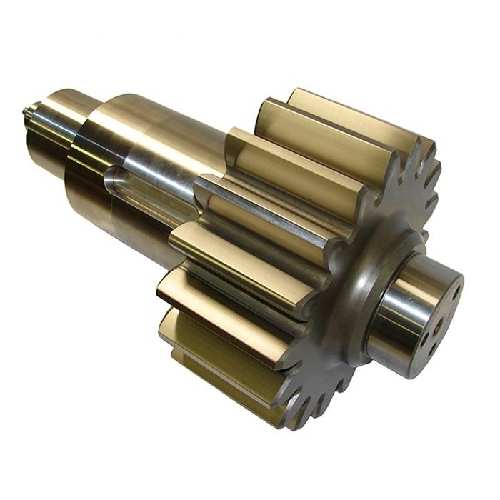
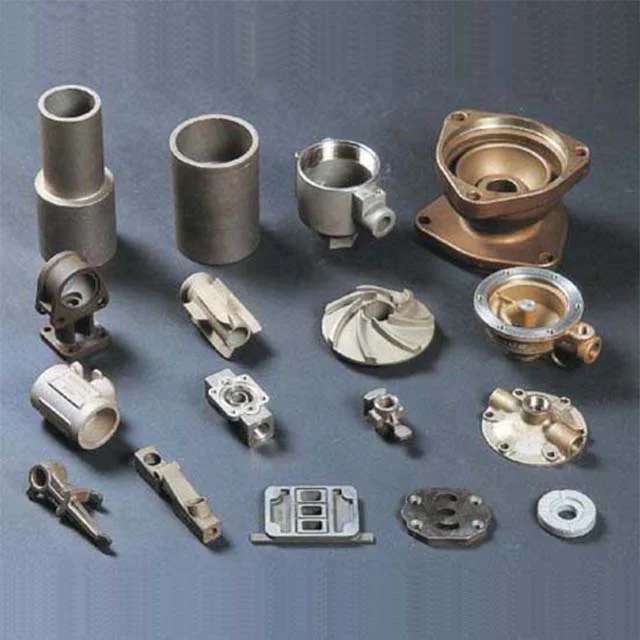
We Manufacture and Supply Pilot 5-Axis CNC Parts
Customers Planning a 5-Axis Outsourcing Pilot Should Submit Pilot-Part Models and Acceptance Criteria
As a manufacturing supplier, we can begin with one or two pilot parts, which gives both teams a more controlled way to validate the process before broader outsourcing begins. The goal of critical-part outsourcing is not to transfer every complex part to a new manufacturer immediately. Start with one or two representative, challenging parts that most affect assembly or operating performance, then validate the process route, fixture approach, critical dimensional relationships, and first-article acceptance criteria.Which Parts Can Be Selected as Outsourcing Pilot Projects?
What Should Be Submitted for a 5-Axis CNC Parts Outsourcing Pilot?
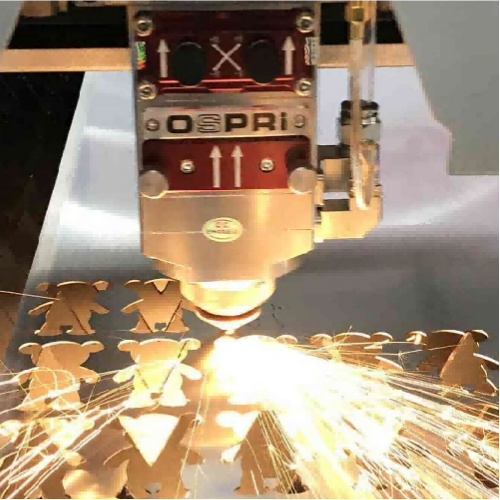
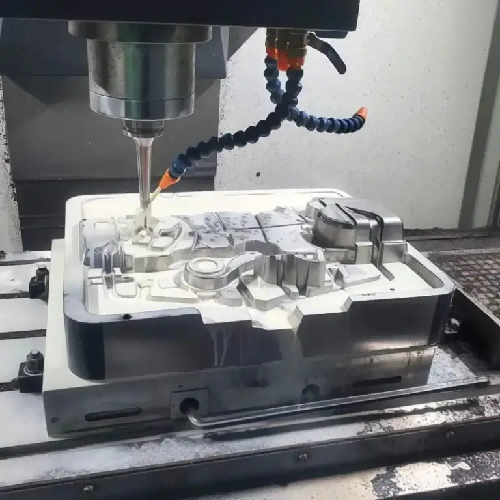
A Manufacturer Supplying Critical 5-Axis CNC Parts That Can Begin with Pilot Validation
Customers Starting an RFQ for Critical 5-Axis CNC Parts Should Submit Tolerance-Chain and Pilot-Validation Information
Before outsourcing a critical part, buyers should not omit tolerance chains, critical mating parts, failure consequences and project impact, current process problems, and first-article acceptance criteria. Submitting only one complex-part model does not establish whether 5-axis machining is necessary, whether a combined route is feasible, or which functional relationships the pilot should validate. Lock critical features through a pilot before expanding the RFQ for critical 5-axis parts.What Information Should Be Submitted First to Start an RFQ for Critical 5-Axis CNC Parts?
- Critical tolerance chains: Dimensions, positional relationships, and geometric relationships that affect complete-equipment assembly, sealing, motion, guidance, or functional performance.
- Critical mating parts and assembly relationships: Fit relationships among linear guide systems, modules, servo motors, gear reducers, interface components, adjacent housings, and other assemblies.
- Failure consequences and current process problems: Functional effects, rework, trial-production delays, project risk, known workholding issues, dimensional variation, surface issues, delivery constraints, or internal-capacity limitations.
- First-article and trial-fit acceptance criteria: How pilot parts will be confirmed, including trial fit, functional validation, critical-dimension confirmation, inspection records, and other acceptance conditions.
- Pilot quantities and future plans: One or two representative critical parts for validation, pilot quantities, and future batch-purchasing requirements.
- Critical relationship requirements: Conditions that must remain in the same coordinate system or controlled setup, including critical mating surfaces, sealing surfaces, functional surfaces, or complex flow passages.
How Does the Factory Proceed with the RFQ After Decision Information Is Submitted?
Case Study: A Belgian Buyer Wanted to Outsource All Critical Parts Directly
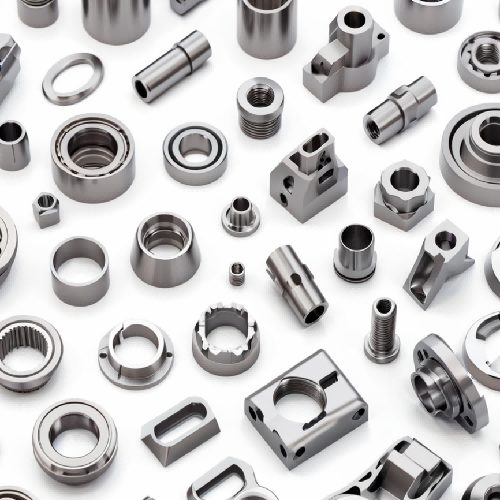
Equipment Support for More Complex 5-Axis Projects
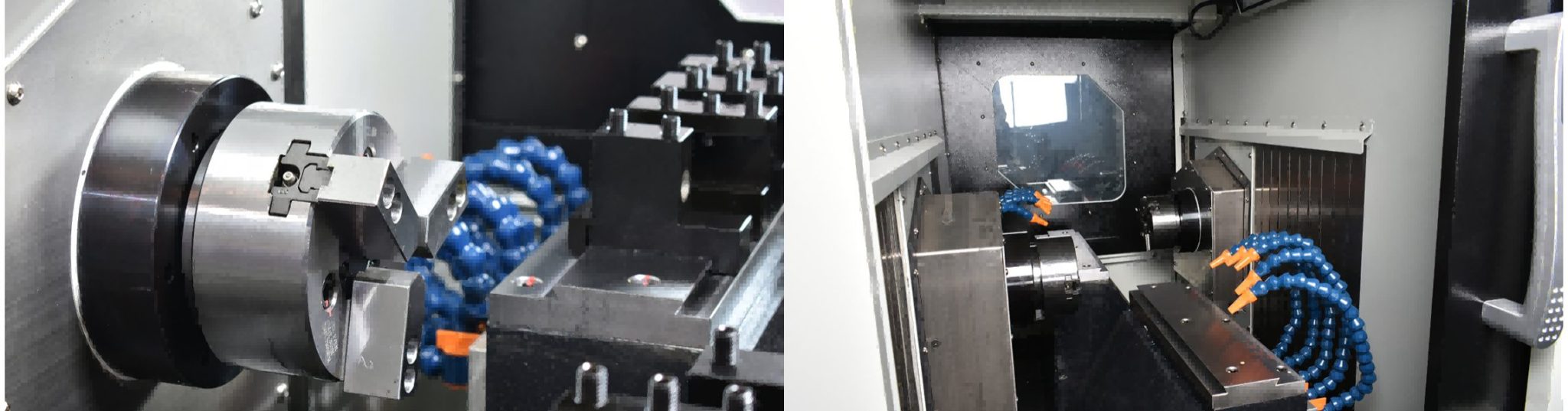
5-axis machining is often selected for complex parts, multi-side geometry, and projects that require stronger setup flexibility and machining efficiency.
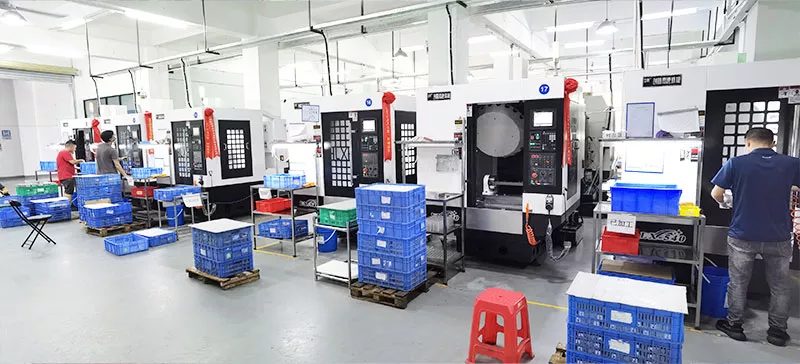
5-Axis Machining Capability
This image supports the ability to machine more complex parts that require multi-face access and greater process flexibility.
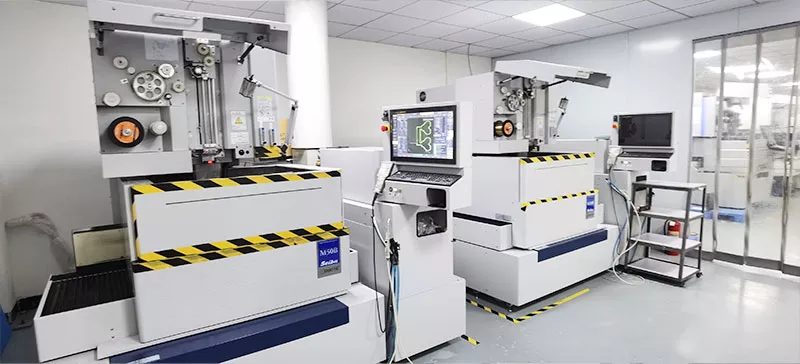
Complex Part Manufacturing Support
Advanced machining projects benefit from stronger equipment support, better setup control, and more flexible machining paths.
RFQ and Manufacturing Resources
Prepare Your Mechanical Parts Manufacturing Project
Upload your 2D drawings, 3D CAD models, part numbers, material requirements, quantities, tolerance requirements, surface finish specifications and assembly information so our engineering team can review your manufacturing request.
View Contact Details and Speak With Our Industrial Team
Related Manufacturing and Supply Pages
- CNC Machining Capacity for Long-Term Supply
- Manufacturing Capabilities for Industrial Mechanical Parts
- 3-Axis CNC Machining for Mechanical Parts
- Stable Batch Supply With 3-Axis CNC Machining
- 5-Axis CNC Machining for Complex Mechanical Parts
- Outsourcing Critical 5-Axis CNC Machined Parts
- Foundry-Based Mechanical Components for Production Programs
- Casting Applications and Drawing-Based RFQs
- Materials for CNC Machining
- CNC Quality Control and Inspection Capabilities
- Industrial Fasteners for Global Supply
- Bulk Supply of Industrial Bolts, Nuts and Washers
- Stainless Steel Fastener Supply
- Threaded Rods, Double-End Studs and U-Bolts
- Contact Our Industrial Manufacturing Team