
Long-term CNC supply starts with controlled part identification.
A successful first order is an important starting point, but it does not by itself establish a reliable basis for repeat production or long-term supply. The next order is often where long-term sourcing risk begins—when an outdated drawing, the wrong revision, or an unidentified spare part is treated as the approved production version. For flanges, brackets, housings, shafts, machined plates, tooling components, and other made-to-print machinery parts, repeat production depends on controlled part identification—not on a similar part name, an old drawing, or an unverified historical reference. For repeat production, replacement parts, and multi-year machinery programs, send the customer part number and drawing revision when available. If documentation is incomplete, you can also begin with photographs, samples, historical order references, available dimensions, or old drawing numbers.【What creates purchasing risk after the first delivery?】
【What should be clarified when the first order begins?】
【How can you start an RFQ for CNC parts identified by part number?】
Video Overview
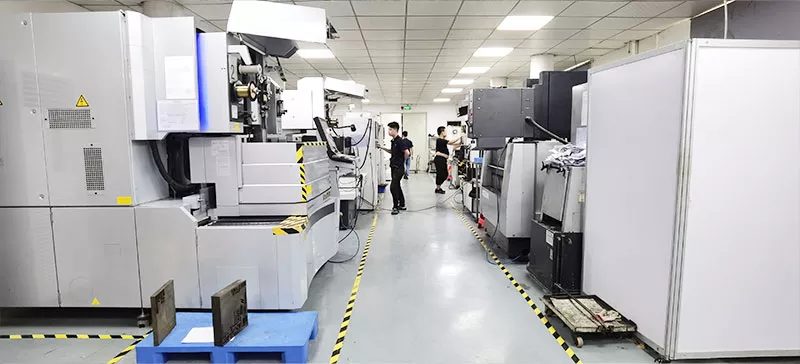
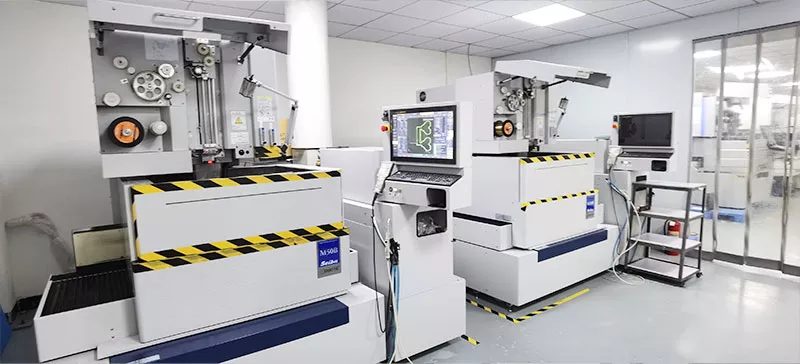
Factory environment and general part manufacturing workflow
View More
Hide
Factory environment and general part manufacturing workflow
Shows the workshop, CNC machines in operation, typical part processing, and selected inspection steps.
Useful for reviewing production capability, process stability, and the basic setup for ongoing precision part programs.
From CNC samples and pilot batches to recurring production and ongoing supply.
For system integrators and equipment manufacturers, samples, pilot batches, recurring production, repeat orders, and spare-parts replenishment are connected stages of the same supply program. Share your expected release schedule and project stages early so the first order can support future purchasing rather than stand alone. Long-term supply is not simply quoting the same drawing again. It requires each stage to build on information confirmed previously: sample approval, small-batch validation, recurring production, quarterly repeat orders, annual demand, spare-parts replenishment, and multi-year projects.What should be confirmed for samples, small batches, and recurring production?
What if you expect quarterly purchasing, complete-equipment supply, or use across multiple projects?
How can maintenance replacements or equipment spare-part projects begin?
Repeat CNC parts depend on part-number and drawing-revision control.
The customer part number and drawing revision are the preferred starting point for repeat-production quotations. If they are unavailable, send the best available references—such as a physical sample, photographs, historical drawing numbers, previous order information, or key dimensions—so we can establish an initial identification basis. Long-term supply depends on reliable part identification, not on remembering a part name. Flanges, housings, brackets, machined plates, shafts, end caps, tooling and fixtures, and custom assembly components may all become repeat-purchase items throughout an equipment program. The same part name does not ensure that a later order should be manufactured under the same conditions.Why does the same part name not ensure the same manufacturing conditions for later orders?
How can trading companies and project buyers confirm the basis for repeat orders?
How can an identification basis be established when equipment spare parts do not have complete new drawings?
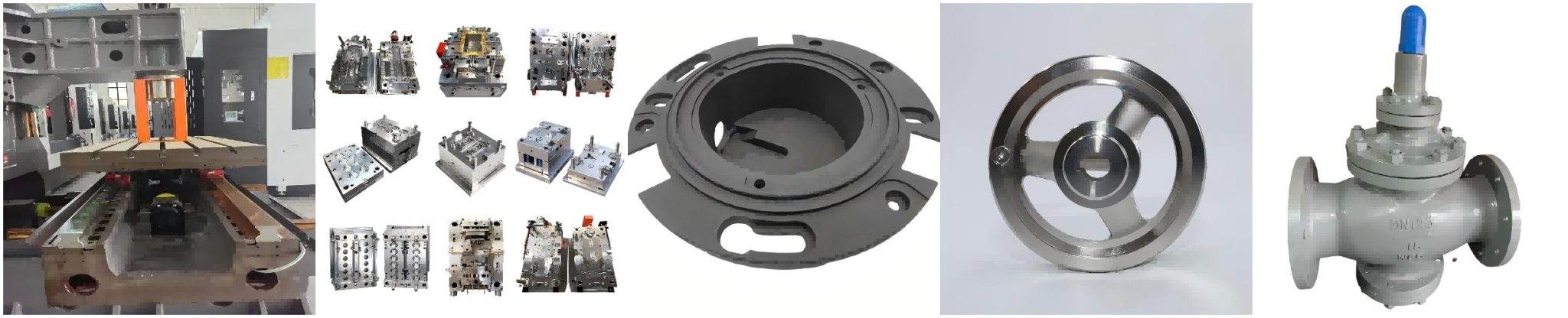
Plan long-term CNC supply around demand, delivery, and identification requirements.
For multi-year supply and repeat-purchase programs, annual demand, order frequency, delivery milestones, and packaging identification are as important as the drawing itself. A part can be technically correct but still create purchasing risk if the same part number is interpreted differently across different times, projects, or spare-part requirements.How do initial quantities, follow-on volumes, order frequency, annual demand, and packaging labels affect future orders?
What should be provided for a multi-year machinery-parts supply project?
How can the connection between initial orders, small batches, repeat orders, and replenishment be confirmed?
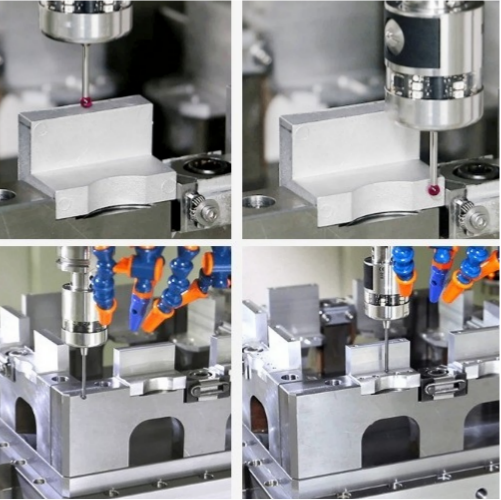
Start your long-term CNC RFQ with the information you already have.
If you expect a current requirement to develop into repeat production, spare-parts replenishment, or a multi-year supply program, send the information already available. We can review the immediate requirement first and build the relevant long-term supply record as the project develops. Equipment manufacturers, system integrators, component trading companies, and industrial equipment users that need to start an RFQ for long-term CNC parts supply can begin with current drawings, part numbers, available approval information, existing samples, historical records, or known project requirements.Build a long-term project record from the first sample before starting the formal CNC RFQ.
How can information be supplemented in stages for recurring CNC part production?
How are submitted documents used, and how can NDA requirements be addressed?
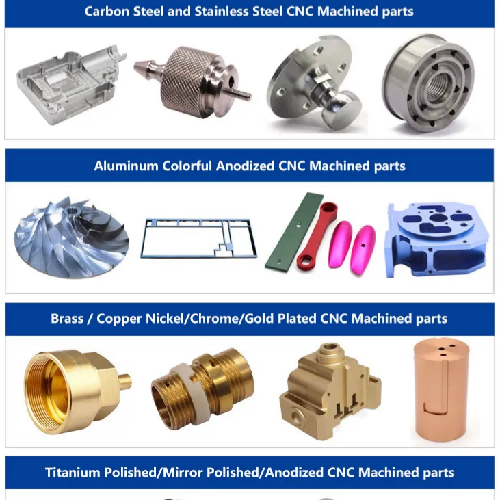
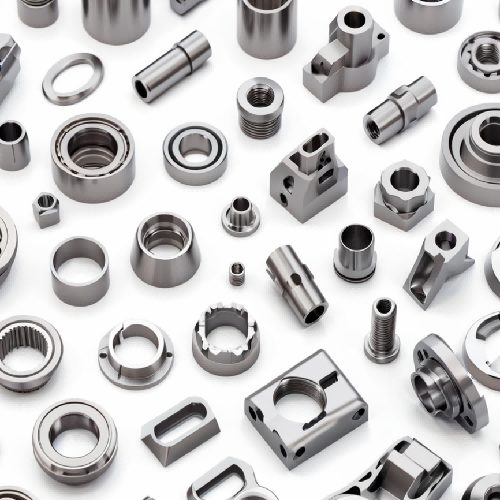
Upload Drawings for Quote
Our engineering team reviews material, precision, tolerance, surface finishing, and volume requirements to prepare a reliable quotation and practical DFM suggestions.
STEP / STP / IGES / IGS / XT / DWG / DXF / PDF / JPG / PNG supported
Our engineering team reviews material, precision, tolerance, surface finishing, and volume requirements to prepare a reliable quotation and practical DFM suggestions.
Real Factory, Real Production Environment
Buyers want more than claims. Real factory photos help show that our CNC machining and custom mechanical parts services are supported by an actual production base, an organized workshop environment, and stable manufacturing conditions.

Real Factory Entrance
A visible factory entrance helps buyers confirm that production capability is backed by a real operating facility rather than only online claims.

Production Workshop Overview
This workshop image gives visitors a clearer view of the actual production environment behind custom machined parts and long-term industrial supply.

Factory Capacity Support
A real production scene helps strengthen trust in workshop organization, equipment support, and the ability to handle repeat machining orders with consistency.
RFQ and Manufacturing Resources
Prepare Your Mechanical Parts Manufacturing Project
Upload your 2D drawings, 3D CAD models, part numbers, material requirements, quantities, tolerance requirements, surface finish specifications and assembly information so our engineering team can review your manufacturing request.
View Contact Details and Speak With Our Industrial Team
Related Manufacturing and Supply Pages
- CNC Machining Capacity for Long-Term Supply
- Manufacturing Capabilities for Industrial Mechanical Parts
- 3-Axis CNC Machining for Mechanical Parts
- Stable Batch Supply With 3-Axis CNC Machining
- 5-Axis CNC Machining for Complex Mechanical Parts
- Outsourcing Critical 5-Axis CNC Machined Parts
- Foundry-Based Mechanical Components for Production Programs
- Casting Applications and Drawing-Based RFQs
- Materials for CNC Machining
- CNC Quality Control and Inspection Capabilities
- Industrial Fasteners for Global Supply
- Bulk Supply of Industrial Bolts, Nuts and Washers
- Stainless Steel Fastener Supply
- Threaded Rods, Double-End Studs and U-Bolts
- Contact Our Industrial Manufacturing Team