-1-1-2-126x39.png)

How to Submit a High-Quality CNC Machining RFQ
If you are still comparing suppliers or are unsure about drawing completeness, material direction, tolerance definition, sample quantity, inspection files, or delivery method, it is better to submit your project background and current files for preliminary evaluation first.
If you are still comparing suppliers or are unsure about drawing completeness, material selection, tolerance definition, sample quantities, inspection documents, or delivery method, it is recommended to submit your project background and current files for preliminary evaluation first. Many CNC machining projects do not need to wait until every condition is fully locked before communication begins.
The earlier the process boundary and quotation assumptions are clarified, the easier it is to reduce repeated revisions and execution risk later. A high-quality RFQ is not just a drawing transfer. It is a way to help the supplier quickly understand the project objective, technical boundary, and execution conditions, so the quotation can move closer to real production conditions.
View complete RFQ submission guidance
This page helps buyers prepare the right information before they upload drawings for quote, review drawing confidentiality and NDA guidance, and compare manufacturing capabilities against real project needs.
Common RFQ file formats include STEP / STP / IGES / IGS / XT / DWG / DXF / PDF / JPG / PNG, depending on project stage and available files.
What Kind of Project Is Suitable for Direct RFQ Submission
If you already have 2D drawings, 3D models, sample photos, a BOM, a quantity range, or a clear project application, the project is usually suitable for direct RFQ evaluation.
If you already have 2D drawings, 3D models, sample photos, a BOM, a quantity range, or a clear project application, the project is usually suitable for direct RFQ evaluation. Even if the current file package is incomplete, it is still recommended to organize the part function, expected quantity, key dimensions, surface requirements, and delivery target, because these details help the supplier judge project fit much faster.
For import replacement parts, legacy part replication, critical assembly components, functional validation samples, and new supplier introduction projects, it is even more helpful to explain the project background at the RFQ stage. The same drawing may require a very different quotation, lead time, and file preparation path depending on whether the project is for sample validation, cost replacement, or long-term supply.
View complete RFQ readiness explanation
Before formal submission, buyers often also review 3-axis CNC machining, 5-axis CNC machining, and general manufacturing capabilities to confirm process fit.
What Information Should Be Prepared Before Submission
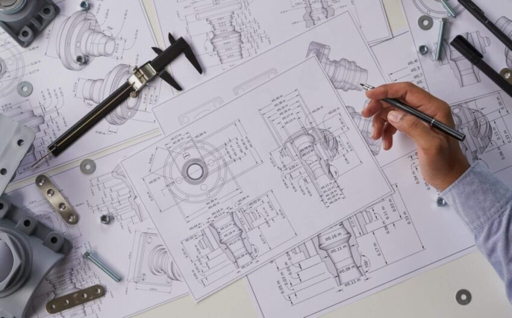
It is recommended to prepare 2D drawings, 3D models, part application, material direction, quantity range, target lead time, surface finishing requirements, and delivery destination first.
It is recommended to prepare 2D drawings, 3D models, part application, material direction, quantity range, target lead time, surface finishing requirements, and delivery destination first. If the project involves assembly fitting, key dimensions, localized protection, customer-defined inspection logic, or special packaging requirements, these points should also be explained during the first inquiry whenever possible.
If the current project only has drawings and no complete written explanation, it is still useful to add a short project note. For example, you may clarify which areas are critical surfaces, which dimensions affect assembly, and which requirements are still under internal confirmation. Many quotation gaps happen not because the supplier cannot make the part, but because the initial files did not clearly describe what matters most.
View complete submission checklist
This checklist often works best when combined with quality control expectations, supported machining materials, and the path to RFQ upload.

Which Missing Information Most Often Causes Quotation Deviation
The most common sources of quotation deviation are unclear material, unclear quantity, undefined tolerance, unconfirmed surface finishing, and undefined inspection documents.
The most common sources of quotation deviation are usually concentrated in five missing inputs: unclear material, unclear quantity, undefined tolerance, unconfirmed surface finishing, and undefined inspection documents. A drawing may look complete without actually being sufficient for quotation, because once these key conditions are missing, each supplier may define the project boundary differently.
For example, the same part may require a very different process route and cost structure depending on whether the quantity is 5 sample pieces or 500 production pieces, whether surface finishing is required, whether inspection files must be attached, and whether assembly fit is involved. It is usually better to clarify those variables first than to revise quotations repeatedly later.
View complete quotation deviation guidance
Customers often compare these variables while reviewing inspection documents and reports, surface finishing standards, and file completeness before final RFQ submission.
How Sample, Trial, and Production Projects Should Be Described Differently
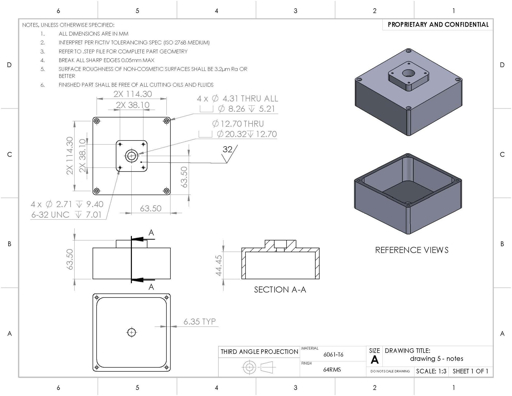
Sample projects should focus on validation goals, priority issues, acceptable process adjustment range, and timing requirements.
Sample projects are better described by explaining the validation goal, the issues you want to solve first, the acceptable range of process adjustment, and the timing requirement. Trial production projects are better described by clarifying whether a follow-up batch is expected and whether basic documents or packaging rules will be needed.
Production projects should focus more on annual usage, batch rhythm, reorder method, and long-term consistency expectations. If the quantity is not fully fixed yet, it is better to use staged quantity expression such as “5 sample pieces / 50 trial pieces / 500 estimated production pieces,” because that is much more helpful than one vague number.
View complete project stage description guidance
This staged expression helps suppliers connect quotation logic with actual project collaboration, file scope, and long-term supply expectations.
What Happens After RFQ Submission
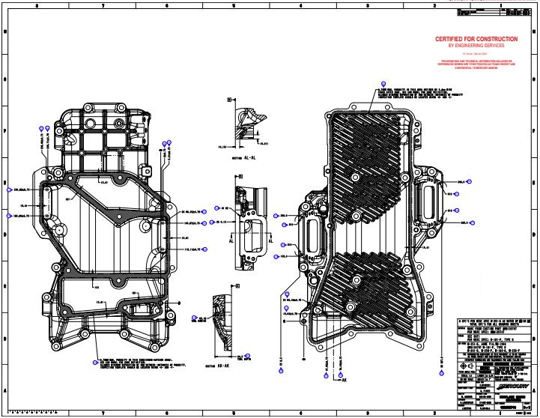
A mature RFQ evaluation process usually goes beyond checking whether a drawing can be machined and also reviews material, process route, outsourced treatment, file depth, packaging, logistics, and internal capacity match.
A mature RFQ evaluation process usually goes beyond checking whether a drawing can be machined. It also reviews material logic, process route, outsourced treatment, document depth, packaging, logistics, and internal capacity match. Inside the supplier organization, there is often an early feasibility check before process breakdown and quotation formation begin.
The value of an RFQ is not only to receive a price, but also to identify risk early, confirm boundaries, and reduce repeated communication later. The closer the files are to real project conditions, the more meaningful the quotation result becomes.
View complete post-submission process explanation
Buyers often move from this stage into detailed review of quality assurance, delivery and packaging, and the final path to formal quotation submission.

Frequently Asked Questions
Even if your files are not complete yet, an RFQ can often start with partial drawings and clearer project context.
These common questions help buyers understand how much information is enough for early evaluation and what kind of file gaps can still be managed before a formal quotation is issued.
View complete RFQ FAQ guidance
This section is often reviewed together with drawing confidentiality and NDA guidance, quality control, and manufacturing capabilities.
Can We Submit an RFQ with Only a PDF Drawing and No 3D Model?
Can a Project Be Evaluated Before the Final Quantity Is Confirmed?
Can We Start Communication with Only Sample Photos and No Drawings?
Ready to Move Your Project into Practical RFQ Evaluation?
If your project already has drawings, sample photos, quantity logic, or basic technical notes, it is already useful to submit the current package for preliminary RFQ review.
If your project already has drawings, sample photos, quantity logic, or basic technical notes, it is already worthwhile to submit the current package for preliminary RFQ review. Early communication does not mean rushing a quotation. It means clarifying the project boundary sooner so both sides can reduce revision cycles and evaluate the right path faster.
View complete RFQ next-step guidance
Before final submission, you may also review drawing confidentiality and NDA guidance, inspection documents, and supported materials.
Real Support Behind Every RFQ
A quotation request is easier to submit when buyers feel there is a real team behind drawing review, technical follow-up, and project communication.
This section works best near the bottom of the RFQ or contact page, where it can support trust without distracting from the main form.