.
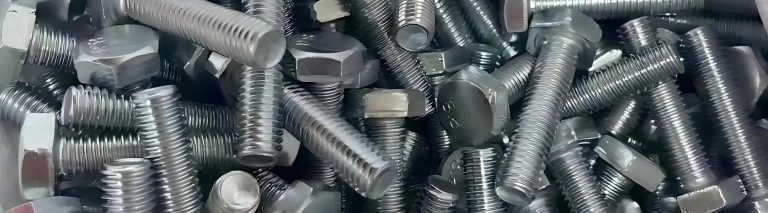
We Manufacture and Supply High-Strength Fasteners, Including Property Class 8.8 and 10.9 Components.
Wholesale Heavy-Duty Connection Components—Specify Load, Vibration, and Preload Requirements First.
Connection components used in equipment bases, structural brackets, heavy-duty modules, conveyor systems, and engineering equipment should not be purchased on the assumption that “a higher property class is always better.” The actual load, vibration exposure, preload requirements, and installation method at each connection point can change the purchasing decision for high-strength bolts, nuts, washers, and locking components.Why does a higher property class not always mean a more suitable fastener?
Connection components used in equipment bases, structural brackets, heavy-duty modules, conveyor systems, and engineering equipment should not be purchased on the assumption that “a higher property class is always better.” The actual load, vibration exposure, preload requirements, and installation method at each connection point can change the purchasing decision for high-strength bolts, nuts, washers, and locking components.
LANCIE manufactures and supplies property-class 8.8, 10.9, and 12.9 high-strength industrial fasteners and related connection components for industrial distributors, equipment manufacturers, engineering-project buyers, and other industrial customers, subject to the confirmed standards, specifications, and project conditions.
Case Study: A Slovak conveyor-equipment manufacturer replaced Class 8.8 bolts directly with Class 12.9 bolts
Case Study 1: A Slovak conveyor-equipment manufacturer replaced Class 8.8 bolts directly with Class 12.9 bolts without considering preload or vibration, resulting in bolt fracture. After the load, preload, and locking requirements were clarified, the specified fastener arrangement was confirmed during the initial review, followed by a repeat order for 500 parts.
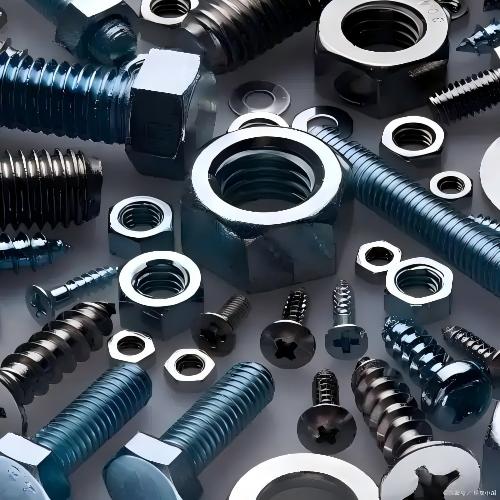
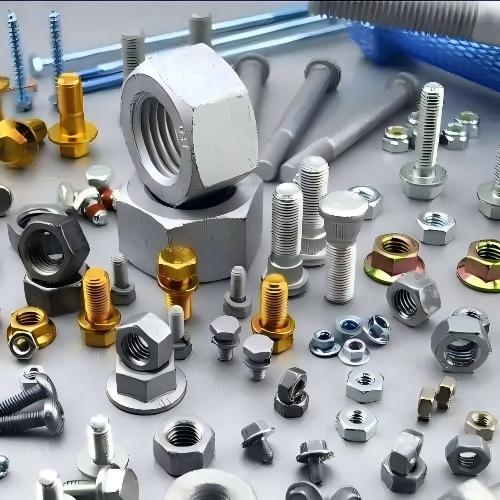
We Manufacture and Supply Heavy-Duty Connection Fasteners, Including Bolts and Nuts.
Structural Fastening Components for Global Supply by Property Class and Load Requirements.
Equipment bases and structural brackets require clearly defined fastening relationships. Module connections, components around transmission systems, support components, and load-bearing positions must correspond to actual installation conditions. Applicable standard, diameter, length, pitch, fully threaded or partially threaded requirement, material, surface finish, matching nuts and washers, assembly method, and locking requirements can all affect product matching.What technical parameters should be confirmed for heavy-duty connections?
Applicable standard, diameter, length, pitch, fully threaded or partially threaded requirement, material, surface finish, matching nuts and washers, installation location, working load, cyclic load, vibration, impact, preload requirements, installation torque, assembly method, and locking requirements can all affect product matching.
Bulk purchasing of property-class 8.8 bolts can support equipment structures, bases, brackets, and general heavy-duty connections. Projects working with a supplier of property-class 10.9 high-strength bolts for conveyor equipment, module installation, or engineering equipment should also confirm the product direction against the actual connection conditions.
What high-strength fasteners can be supplied?
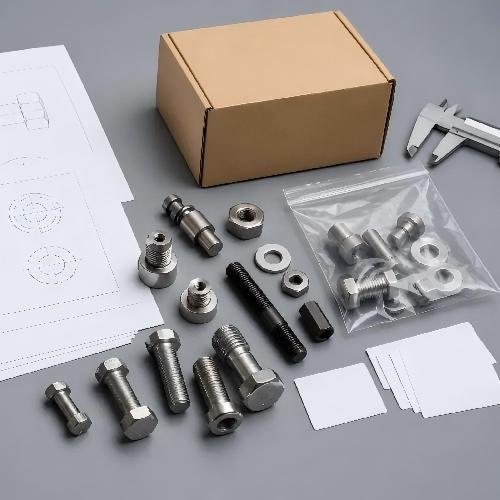
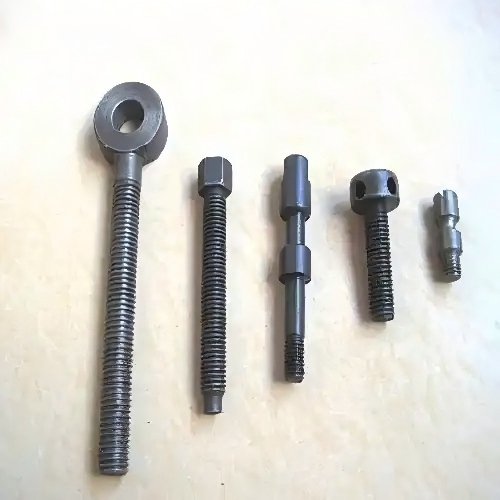
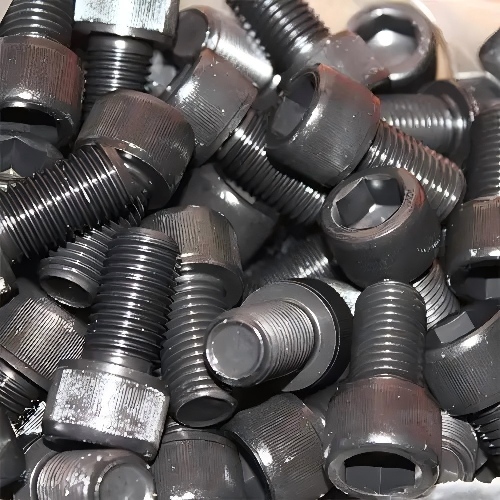
Available high-strength connection components may include property-class 8.8, 10.9, and 12.9 hex bolts, subject to the confirmed product standard, specification, quantity, and project conditions. We supply high-strength socket-head cap screws, supply property-class 12.9 screws, and high-strength flange bolts. High-strength nuts, washers, double-end studs, threaded rods, and special connection components reviewed to drawing are also available subject to confirmed project requirements. A quotation for high-strength flange bolts should consider industrial connection locations requiring flange-head bearing surfaces, matching nuts and washers, and installation conditions.
Purchasing high-strength nuts and washers should take account of the applicable standard, inside diameter, outside diameter, thickness, hardness, and other technical requirements. High-strength double-end studs may be reviewed for flange connections, equipment connections, and mechanical-component fastening. Bulk supply of high-strength threaded rods may be reviewed for equipment installation, support, connection, or special-length requirements.
Case Study: A Croatian engineering-equipment manufacturer had insufficient preload in flange bolts
Case Study 2: A Croatian engineering-equipment manufacturer had insufficient preload in flange bolts, which loosened after vibration. After installation-torque and locking requirements were clarified, the fastening arrangement was revised and the assembly passed its initial fit-up review, followed by a repeat order for 400 parts.
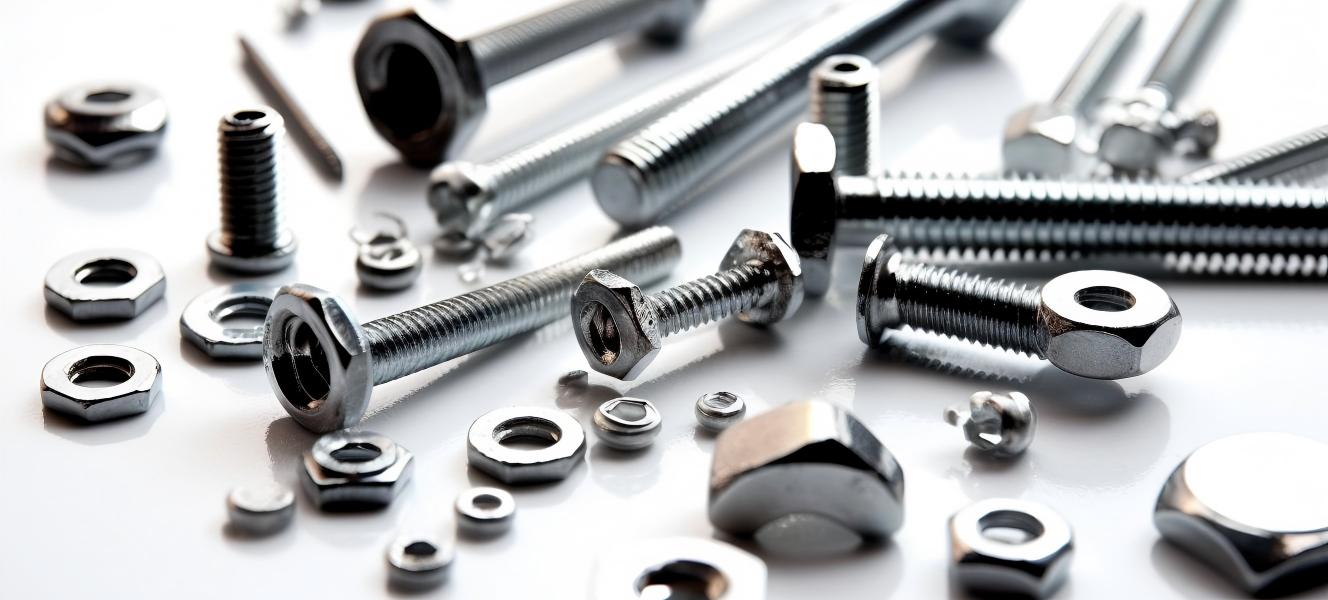
Supply High-Strength Flange Bolts and Components with Defined Preload and Torque Requirements.
We Wholesale Heavy-Duty Equipment Fasteners According to Service Conditions and Load Requirements.
High-strength fastener projects should specify applicable standard and complete specifications, material, property class, heat treatment, surface treatment, matching nuts and washers, working load, vibration, temperature, service environment, quantity, installation method, and required documentation wherever possible.How are inspection documents and delivery packing requirements confirmed?
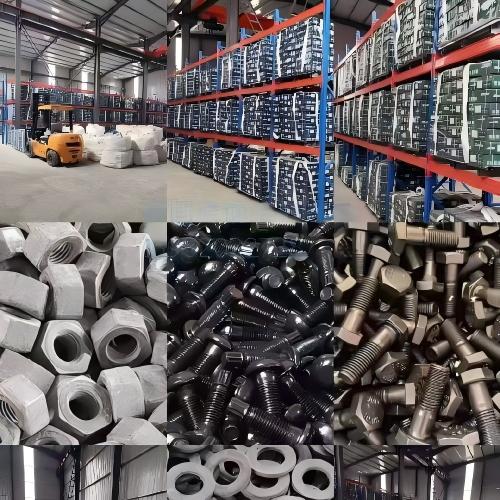
Material certificates, certificates of conformity, hardness inspection, tensile or mechanical-property testing, dimensional reports, thread inspection, salt-spray testing, batch traceability, third-party testing, or customer-specified documentation can be assessed according to the specific product, order quantity, project requirements, and mutually confirmed conditions. Inner bags, boxes, protective outer packing, cartons, pallets, export packing, packing lists, and agreed delivery documents must also be confirmed according to specifications, quantities, weight, transport method, destination, and project requirements.
Can different connection positions on the same equipment be purchased to the same property class?
For different connection positions on the same equipment, not all fasteners should automatically be treated as having the same property class, surface finish, or matching relationship.
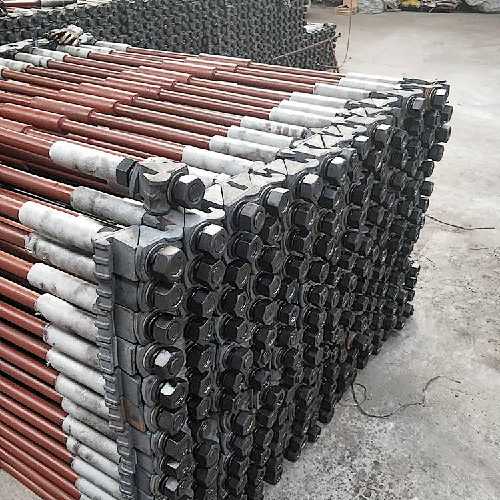
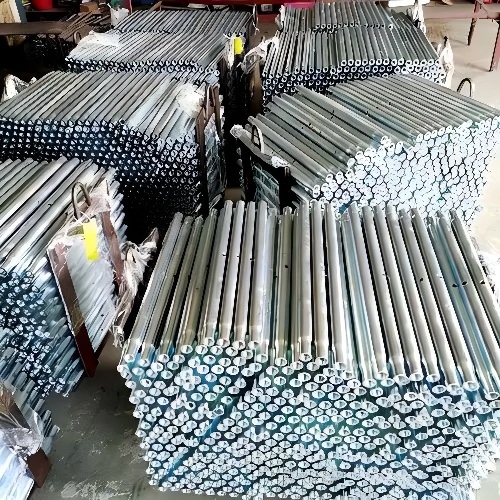
We Manufacture and Supply Safety-Critical Components and High-Risk Connection Parts.
For Drawing-Based High-Strength Connection Components, Our Factory Supplies Parts According to Design Loads for Global Customers.
Part numbers, drawing numbers, equipment models, specification sheets, historical purchasing information, original-part information, and known matching relationships can help maintain identification continuity for maintenance, upgrades, replacements, spare-part replenishment, and repeat purchasing. However, they do not automatically replace reconfirmation of the standard, specifications, material, property class, surface finish, installation conditions, documentation, packing, and delivery requirements for the current order.What should be provided for safety-critical and high-risk connection positions?
For safety-critical, high-risk, high-load, high-temperature, highly corrosive, high-pressure, pressure-containing systems, lifting and rigging, personnel safety, aerospace, automotive, wind-power, or other connection positions where failure may create significant risk, also provide applicable standards, design requirements, load data, installation requirements, inspection requirements, and required documentation. Products not confirmed through technical review should not be assumed suitable for these safety-critical or high-risk applications.
Any manufacturing or supply decision for these applications remains subject to customer-approved design requirements, applicable standards, required qualifications, inspection scope, and confirmed project responsibilities.
Can historical part numbers or drawing numbers automatically replace confirmation for the current order?
Part numbers, drawing numbers, equipment models, specification sheets, historical purchasing information, original-part information, and known matching relationships can help maintain identification continuity for maintenance, upgrades, replacements, spare-part replenishment, and repeat purchasing. However, they do not automatically replace reconfirmation of the standard, specifications, material, property class, surface finish, installation conditions, documentation, packing, and delivery requirements for the current order.
Case Study: An Estonian wind-power maintenance project did not specify load or inspection requirements
Case Study 3: An Estonian wind-power maintenance project did not specify load or inspection requirements, and the high-strength bolts did not meet the project conditions. After design conditions, load data, and third-party testing requirements were added, the project was re-evaluated against the confirmed requirements, followed by a repeat order for 300 parts.
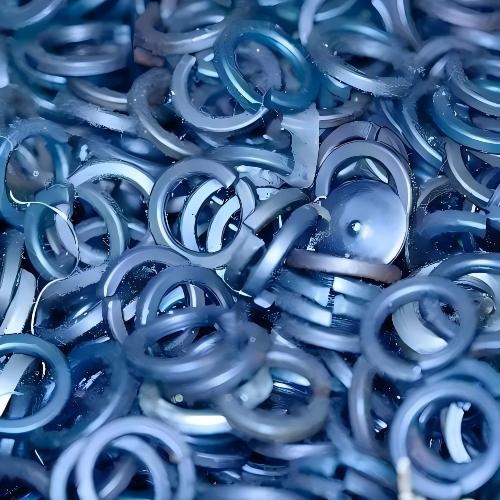
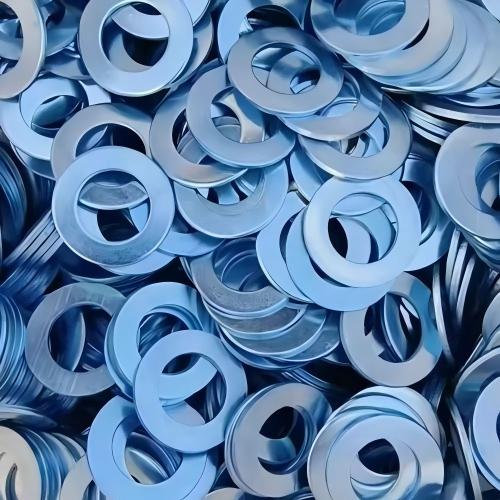
For High-Strength Fastener RFQs, Send Property Class and Load Requirements to Purchase High-Strength Fasteners from Us.
We Wholesale Property-Class 8.8, 10.9, and 12.9 Connection Components by Specification.
Property-class 8.8, 10.9, and 12.9 high-strength bolts, nuts, screws, double-end studs, threaded rods, washers, and drawing-based connection-component purchasing can begin with any available information, including applicable standards and complete specifications, 2D drawings, 3D models, sample photos, material, property class, heat treatment, documentation requirements, and destination information.What information can be used to start a high-strength fastener RFQ?
Property-class 8.8, 10.9, and 12.9 high-strength bolts, nuts, screws, double-end studs, threaded rods, washers, and drawing-based connection-component purchasing can begin with any available information, including applicable standards and complete specifications, 2D drawings, 3D models, sample photos, material, property class, heat treatment, surface treatment, matching components, working load, vibration, temperature, service environment, quantity, documentation requirements, and destination information. Submitted specifications, drawings, samples, project information, and customer part numbers are used for quotation and production review. If an NDA is required before detailed technical communication, please state this in the formal RFQ.
Case Study: An Estonian wind-power maintenance project did not specify load or inspection requirements
Case Study 3: An Estonian wind-power maintenance project did not specify load or inspection requirements, and the high-strength bolts did not meet the project conditions. After design conditions, load data, and third-party testing requirements were added, the project was re-evaluated against the confirmed requirements, followed by a repeat order for 300 parts.
RFQ and Manufacturing Resources
Prepare Your Mechanical Parts Manufacturing Project
Upload your 2D drawings, 3D CAD models, part numbers, material requirements, quantities, tolerance requirements, surface finish specifications and assembly information so our engineering team can review your manufacturing request.
View Contact Details and Speak With Our Industrial Team
Related Manufacturing and Supply Pages
- CNC Machining Capacity for Long-Term Supply
- Manufacturing Capabilities for Industrial Mechanical Parts
- 3-Axis CNC Machining for Mechanical Parts
- Stable Batch Supply With 3-Axis CNC Machining
- 5-Axis CNC Machining for Complex Mechanical Parts
- Outsourcing Critical 5-Axis CNC Machined Parts
- Foundry-Based Mechanical Components for Production Programs
- Casting Applications and Drawing-Based RFQs
- Materials for CNC Machining
- CNC Quality Control and Inspection Capabilities
- Industrial Fasteners for Global Supply
- Bulk Supply of Industrial Bolts, Nuts and Washers
- Stainless Steel Fastener Supply
- Threaded Rods, Double-End Studs and U-Bolts
- Contact Our Industrial Manufacturing Team