
.

Manufacture and Supply Custom CNC Parts Based on Material Requirements, Including Brackets, Housings, and Flanges for Global Customers.
Manufacture Parts to Your Material Conditions—Send the Application and Current Material First.
We manufacture and supply CNC machined parts to defined material requirements for automation equipment, industrial modules, and machinery projects that require an initial review before the material has been finalized. You may start with the current material, candidate materials, a customer-approved imported-material replacement direction, or a project in which the material has not yet been selected.Why should operating conditions be reviewed before changing a machining material?
Our Chinese factory supplies brackets, housings, flanges, and mechanical interface components manufactured to material requirements. Equipment buyers can submit the part application, current material, drawing, and critical assembly conditions so the proposed substitution can be reviewed against the existing assembly requirements.
When procurement teams consider substitution only on the basis of a common material or unit price, they may later find that weight, loading, moisture or media exposure, temperature, surface treatment, critical dimensions, assembly relationships, and quantity plans conflict. A lower material price does not necessarily mean a lower total project cost.
When purchasing a bracket, housing, flange, shaft, mechanical interface component, or assembly-sensitive part, customers are not simply buying the name of aluminum, stainless steel, titanium, or engineering plastic.
They are purchasing a part solution that must fit the defined equipment position, be reviewed against actual service conditions, and work with its mating components.
Global customers looking for a CNC material-machining supplier can first explain the part application and submit the current material status, equipment location, and purchasing objective so the factory can identify whether material selection is already constrained by functional conditions.
Case Study: A Brazilian automation-equipment manufacturer replaced an aluminum part with steel to reduce cost
Case Study 1: A Brazilian automation-equipment manufacturer replaced an aluminum part with steel to reduce cost, but the assembly exceeded the allowable weight limit. We identified the need to confirm loading, weight, and installation interfaces first. Result: The project returned to an aluminum-alloy solution; cost increased slightly, the assembly passed its first fit-up check, and a repeat order for 400 parts followed.
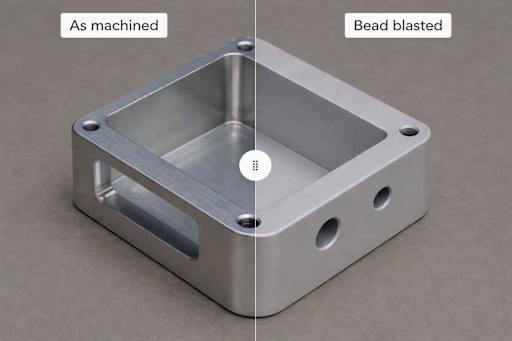
Supply CNC Parts for Environmental Service Conditions, Including Moisture, Media, and Temperature Requirements.
Supply Material-Substitution Parts—Send Loading and Environmental Conditions First.
Material selection should not begin with the question, “Which option is less expensive?” First identify why a part needs a particular material direction. Structural parts used for installation, support, or connection require clear definition of load, stiffness, weight, and connection method. Parts exposed to moisture, chemical media, cleaning, dust, or long-term contact conditions also require environmental, temperature, and surface requirements to be defined.What should be explained first for an environmentally resistant CNC parts purchasing project?
Define loading and environmental conditions before discussing material.
Buyers seeking an environmentally resistant CNC parts purchasing solution should first define whether the part contacts media, remains in a wet or outdoor environment for extended periods, experiences temperature changes, and whether these conditions affect assembly, maintenance, or replacement planning.
After receiving the information, the factory first assesses whether the service conditions limit the material direction instead of drawing a material conclusion from the part name alone. For parts involving positioning, sliding, guidance, fit, or assembly-sensitive functions, customers should also provide critical dimensions, friction considerations, dimensional-stability requirements, mating components, and surface requirements. Material selection should not be separated from the equipment environment; CNC parts must be reviewed against the actual service conditions and functional boundaries.
What can be submitted for a CNC material-substitution project?
Projects requiring a CNC material-substitution review can submit the current and proposed material, drawings, part application, loading conditions, operating environment, temperature range, critical dimensions, quantity, reason for substitution, and any non-negotiable requirements.
If customers need to retain the current material direction, specify a particular grade, or use a designated brand, they should also identify the conditions that cannot change. When a manufacturer accepts CNC material-substitution projects, the substitution boundaries should first be reviewed against loading, operating environment, temperature, mating relationships, specified standards, and customer-approved conditions. Procurement teams can submit current material and historical service conditions for project review.
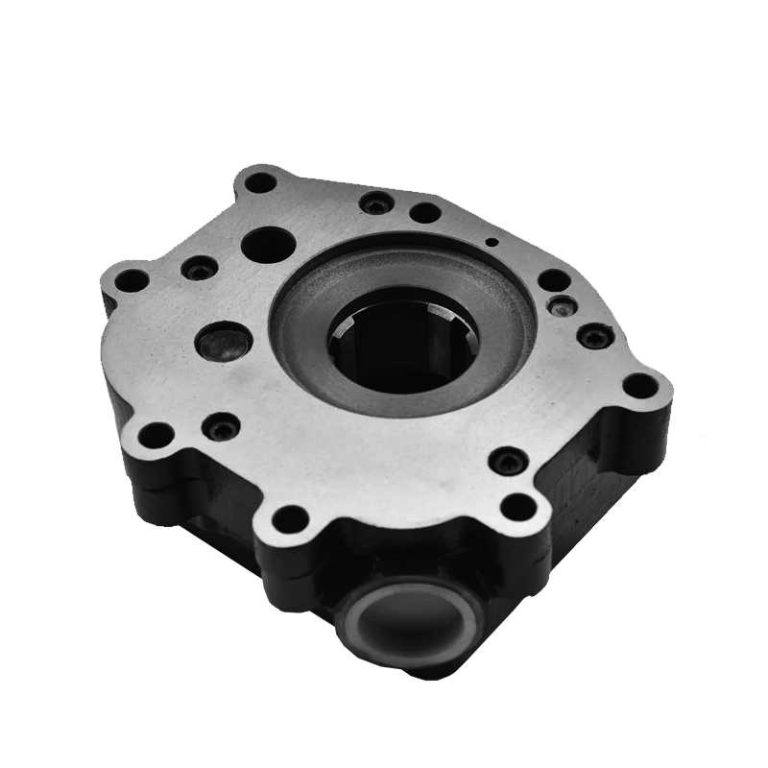
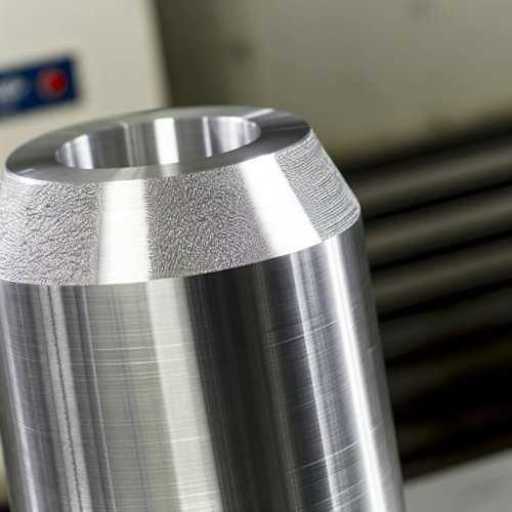
Manufacture and Supply Aluminum Alloy CNC Parts, Including Lightweight and Insulating Components for Global Customers.
Our Factory Directly Supplies Stainless Steel and Titanium Alloy Parts—Send Assembly Conditions and Material Grade First.
When projects need to reduce equipment weight, retain structural support, accommodate surface treatment, or control material cost, customers may begin evaluating aluminum alloy options. Automation equipment projects purchasing aluminum alloy CNC parts should also define the mounting method, stiffness or strength targets, critical dimensions, surface requirements, mating components, and planned quantities rather than providing only the description “aluminum part.”What should be provided for specified and unspecified material grades?
Lightweight, environmental-resistance, and insulation requirements must be reviewed together with the assembly conditions and the specified material or surface-treatment route.
We can manufacture and supply aluminum alloy mounting plates, brackets, housings, fixtures, frame components, and automation-module parts.
If customers already specify grades such as 6061, 7075, or 2024, they can submit the grade, material condition, applicable standard, and drawing requirements together. If the grade has not yet been finalized, first provide the application, performance targets, surface requirements, budget range, and quantity as material-selection inputs rather than assuming a specific grade is interchangeable.
Customers who need to buy lightweight CNC parts should explain which mounting surfaces, locating dimensions, load-bearing relationships, or surface requirements must not change while weight is reduced. The manufacturing team first assesses whether the material change will affect part structure, machining arrangements, dimensional stability, or assembly interfaces.
What should be explained for stainless steel, titanium alloy, and engineering plastic options?
For stainless steel, titanium alloy, or engineering plastic options, purchasing conditions cannot be defined by material name alone.
Customers looking for quotations for stainless steel CNC parts should explain actual conditions such as moisture, media exposure, temperature, surface requirements, flange connections, shaft fits, or long-term service. Project teams requiring a titanium alloy CNC parts manufacturer should submit strength-to-weight objectives, specified service conditions, budget, quantity, critical dimensions, surface requirements, and mating components.
Customers looking for an engineering-plastic CNC parts supplier should explain insulation, weight reduction, guidance, cushioning, low-friction, or other functional requirements while also specifying temperature, loading, dimensional stability, and assembly relationships. We manufacture and supply CNC parts reviewed against lightweight, environmental-resistance, or insulation conditions. After customers submit installation interfaces, service boundaries, and candidate materials, the factory first assesses whether the material change will affect the structure and fit
Case Study: An Indian robot manufacturer replaced aluminum with engineering plastic for an insulating bracket
Case Study 2: An Indian robot manufacturer replaced aluminum with engineering plastic for an insulating bracket, but the assembly lacked sufficient stiffness. We identified the need to clarify loading, temperature, and mating relationships. Result: The project returned to an aluminum-alloy solution with the required insulating treatment, the assembly passed its first fit-up check, and a repeat order for 600 parts followed.
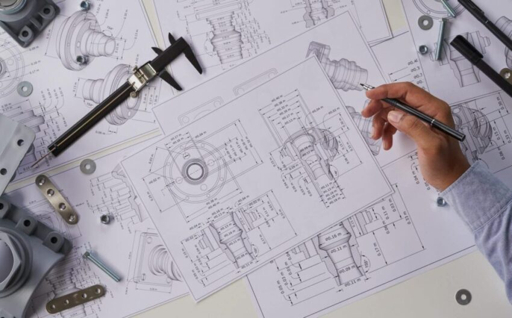
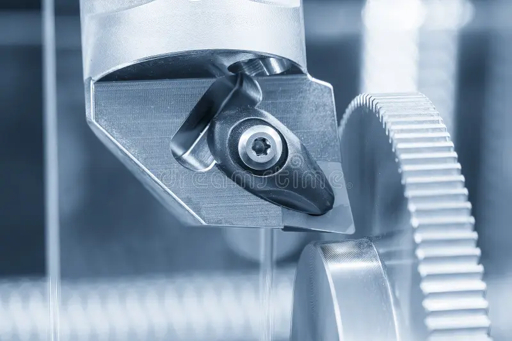
Manufacture and Supply Material-Substitution CNC Parts and Engineering-Plastic Components Worldwide.
Supply Material-Optimization Parts—Send the Reason for Substitution and Non-Negotiable Conditions First.
Material substitution should never be assumed to be valid automatically. When customers change materials because of cost, weight, supply, environmental changes, or machinability, but do not simultaneously review function, surface requirements, dimensions, mating relationships, and quantity, problems often emerge during prototyping, assembly, maintenance replacement, or subsequent batch purchasing.What should be defined for a quotation for engineering-plastic mechanical parts?
Engineering plastics should not automatically be assumed to replace metal merely because of weight-reduction or insulation requirements.
When requesting a quotation for engineering-plastic mechanical parts involving high temperature, high impact, high stiffness, or sustained heavy loading, customers should define temperature, loading, service-life direction, mating relationships, and historical service conditions. Likewise, customers comparing stainless steel, titanium alloy, or aluminum alloy should state why substitution is being considered, what must not change, and what problems exist with the current part. After receiving this information, the manufacturing supplier first assesses whether material selection will alter functional boundaries, assembly relationships, surface conditions, or subsequent purchasing arrangements.
A part’s material direction can affect project requirements for machining arrangements, surface requirements, dimensional stability, incoming material condition, first-article approval, critical-dimension inspection, process records, and shipping documentation, where required by the drawing and confirmed project scope.
What should be submitted together for material-optimization and imported-material-substitution projects?
When the factory manufactures and supplies CNC parts for material-optimization and imported-material-substitution projects, submit the reason for substitution, customer-approved substitution scope, non-negotiable functional conditions, current part issues, applicable standards, and planned quantity together so the quotation is not based on material price alone.

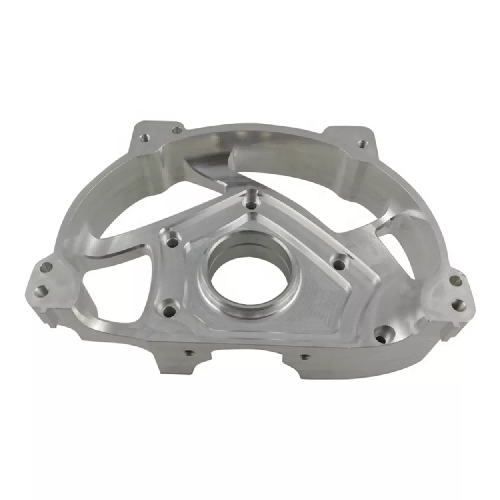
We Customize CNC Parts for Global Customers—Send Your Material Conditions First.
Manufacturers Sell CNC Material Parts—Send Non-Negotiable Conditions Before RFQ.
Projects with an undecided material, a need to replace imported material, an objective to reduce overdesigned cost, or a comparison among aluminum alloy, stainless steel, titanium alloy, and engineering plastic options should first confirm which functional, environmental, and assembly conditions cannot change with the material.What material-decision information should be prepared first for a CNC materials RFQ?
Current material grade and condition, customer-specified material, or candidate materials under consideration.
Part application and actual loading conditions, including static load, dynamic load, impact, vibration, sustained loading, or other service loads.
Operating conditions such as moisture, media exposure, dust, cleaning methods, outdoor exposure, fluid contact, indoor operation, and temperature range or thermal-cycling requirements.
Critical dimensions, fit dimensions, locating positions, assembly-sensitive areas, and surface requirements.
Relationships between the part and housings, flanges, shafts, brackets, linear guides, modules, mechanical interface components, or other mating parts.
Reasons for material substitution, including cost, weight, environmental changes, machinability, maintenance replacement, or current part issues.
Quantity plans for prototype validation, batch substitution, maintenance replacement, or subsequent purchasing.
How should material certificates, inspection, first-article, and shipping-document requirements be specified in the RFQ?
Buyers looking for a CNC material-selection manufacturing factory can state in the formal RFQ whether equivalent materials, alternative grades, or alternative brands are acceptable, and define the approved substitution limits.
If there are specific requirements for material certificates, inspection, first-article approval, process records, or shipping documents, they should also be defined in the RFQ.
LANCIE first reviews the manufacturing, dimensional, surface, assembly, and project-execution boundaries among the current material, candidate materials, and non-negotiable project conditions. Customer information is used only for material-direction review, manufacturing-feasibility review, and quotation preparation. If an NDA is required before detailed technical communication, please indicate this in the formal RFQ.
Case Study: A Thai fluid-equipment manufacturer replaced stainless steel with titanium alloy
Case Study 3: A Thai fluid-equipment manufacturer replaced stainless steel with titanium alloy without specifying the media or temperature. We identified the need to provide media, temperature, and sealing-fit conditions. Result: The project returned to a 316L material direction, the assembly passed its first fit-up check, and a repeat order for 500 parts followed.
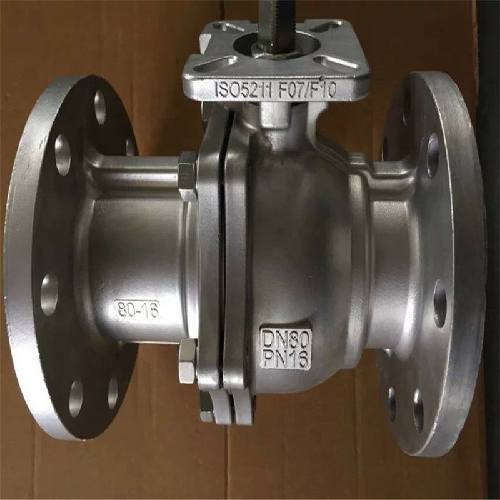

RFQ and Manufacturing Resources
Prepare Your Mechanical Parts Manufacturing Project
Upload your 2D drawings, 3D CAD models, part numbers, material requirements, quantities, tolerance requirements, surface finish specifications and assembly information so our engineering team can review your manufacturing request.
View Contact Details and Speak With Our Industrial Team
Related Manufacturing and Supply Pages
- CNC Machining Capacity for Long-Term Supply
- Manufacturing Capabilities for Industrial Mechanical Parts
- 3-Axis CNC Machining for Mechanical Parts
- Stable Batch Supply With 3-Axis CNC Machining
- 5-Axis CNC Machining for Complex Mechanical Parts
- Outsourcing Critical 5-Axis CNC Machined Parts
- Foundry-Based Mechanical Components for Production Programs
- Casting Applications and Drawing-Based RFQs
- Materials for CNC Machining
- CNC Quality Control and Inspection Capabilities
- Industrial Fasteners for Global Supply
- Bulk Supply of Industrial Bolts, Nuts and Washers
- Stainless Steel Fastener Supply
- Threaded Rods, Double-End Studs and U-Bolts
- Contact Our Industrial Manufacturing Team